

What All Can Be Done With Money?
A Step-by-Step Guide to Using Money Wisely for a Better Life
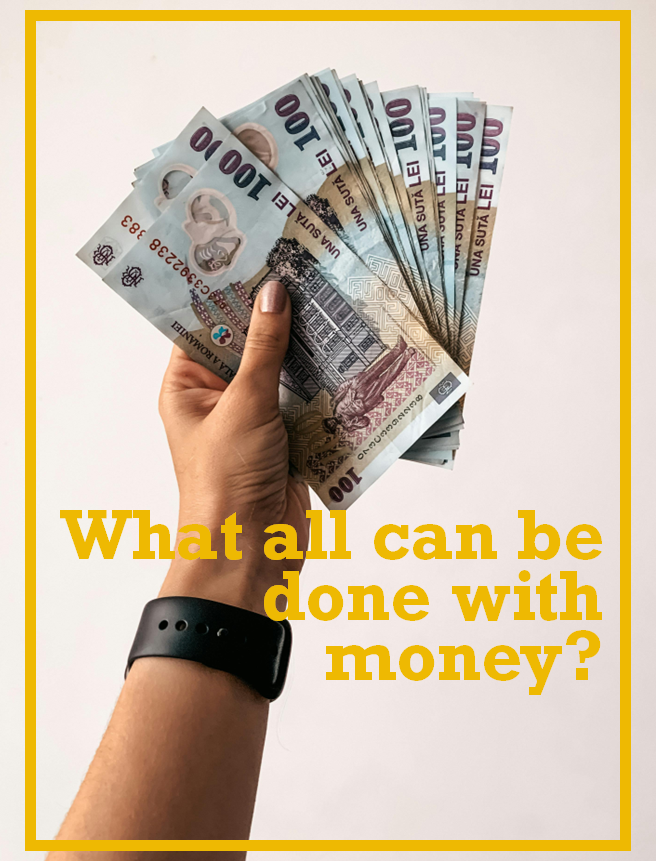
What all can be done with money?, Money is one of the most powerful tools in modern life. It influences our choices, supports our needs, and shapes our future. But the real question is not just how to earn money—it is what to do with it once you have it.
Many people think money is only for spending. Others believe it is only for saving. In reality, money can do much more. It can provide comfort, create opportunities, build security, support dreams, and even help others.
What all can be done with money?, This blog offers a step-by-step guide to understanding what all can be done with money in a smart, meaningful, and balanced way. Whether you earn a little or a lot, these principles can help you use money better.
Step 1: Cover Your Basic Needs
The first and most important use of money is to fulfill your daily needs.
Essentials Include:
- Food
- Shelter (rent or home expenses)
- Clothing
- Electricity and utilities
- Transportation
- Basic healthcare
Without meeting these needs, life becomes unstable. Spending on essentials should always be your first priority.
Step 2: Create a Safety Net (Savings)
After meeting basic needs, the next step is to save money.
Savings protect you during:
- Emergencies
- Job loss
- Medical situations
- Unexpected expenses
How to Start Saving
- Save a small portion of your income regularly
- Use a separate savings account
- Avoid touching emergency funds unless necessary
Even small savings grow over time.
Step 3: Build an Emergency Fund
Savings are good, but an emergency fund is essential.
Ideal Emergency Fund
- 3 to 6 months of living expenses
This fund gives you confidence and peace of mind.
Step 4: Invest for Growth
Saving keeps money safe, but investing helps it grow.
Investment Options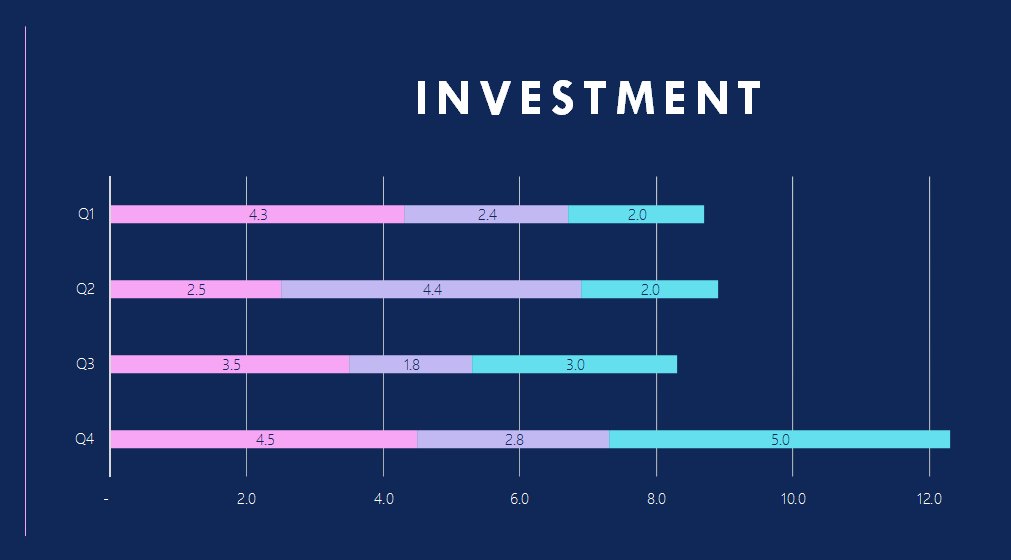
- Stocks
- Mutual funds
- Real estate
- Gold
- Fixed deposits
Investing allows your money to work for you.
Key Tip
Start early. Even small investments can grow significantly over time due to compounding.
Step 5: Improve Your Education and Skills
One of the best uses of money is self-improvement.
You Can Spend On, What all can be done with money?:
- Courses
- Books
- Workshops
- Online learning platforms
- Skill training
Education increases your earning potential and confidence.
Step 6: Start a Business or Side Income
Money can help you create more money.
Business Ideas
- Small shop
- Online store
- Freelancing
- Content creation
- Local services
Even a small investment can grow into a stable income source.
Step 7: Travel and Explore the World
Money can create experiences that last a lifetime.
Travel Benefits
- Learn new cultures
- Relax and refresh
- Gain new perspectives
- Create memories
Travel does not always require luxury—smart planning makes it affordable.
Step 8: Take Care of Your Health
Health is priceless, and money can help maintain it.
Spend On:
- Regular check-ups
- Healthy food
- Fitness (gym, yoga, sports)
- Mental wellness
Preventive care saves more money in the long run.
Step 9: Upgrade Your Lifestyle (Smartly)
Money can improve comfort, but balance is important.
Examples:
- Better home
- Comfortable furniture
- Good appliances
- Quality clothing
Avoid unnecessary luxury spending that does not add real value.
Step 10: Support Family and Loved Ones
Money helps strengthen relationships, What all can be done with money?.
Ways to Support:
- Help parents
- Support children’s education
- Assist siblings
- Celebrate special occasions
Sharing money with loved ones builds emotional happiness.
Step 11: Give Back to Society
One of the most meaningful uses of money is helping others.
Ways to Give:
- Donations
- Supporting education
- Helping the needy
- Community development
Giving creates a sense of purpose and fulfillment.
Step 12: Plan for the Future
Money should not only be used for today.
Future Planning Includes:
- Retirement savings
- Insurance
- Children’s education fund
- Long-term investments
What all can be done with money?, Planning ensures financial stability in later life.
Step 13: Enjoy Your Hobbies and Passions
Life is not only about saving—it is also about living.
Spend On:
- Music
- Art
- Photography
- Gaming
- Sports
- Creative projects
Hobbies improve mental health and happiness.
Step 14: Manage Debt Wisely
Money can also help manage or eliminate debt.
Tips:
- Avoid unnecessary loans
- Pay off high-interest debts early
- Use credit responsibly
Debt control keeps your finances healthy.
Step 15: Build Multiple Income Sources
Relying on one income source is risky.
Use Money To Create:
- Investments
- Side businesses
- Passive income streams
Multiple incomes provide financial security.
Step 16: Learn Financial Discipline
Money is useful only when managed well.
Good Habits:
- Budgeting
- Tracking expenses
- Avoiding impulsive buying
- Saving regularly
What all can be done with money?, Discipline is more powerful than income.
Step 17: Protect Your Wealth
Protecting money is as important as earning it.
Methods:
- Insurance (health, life, vehicle)
- Safe investments
- Avoiding scams
- Keeping financial records
Security ensures long-term stability.
Step 18: Use Money to Create Freedom
The ultimate purpose of money is freedom.
Freedom Means:
- Choosing your career
- Traveling when you want
- Living without stress
- Spending time with loved ones
Money gives options, and options create freedom.
Step 19: Avoid Misuse of Money
Not all spending is good.
Avoid:
- Unnecessary luxury purchases
- Gambling
- Addictive habits
- Showing off
- Emotional spending
Misuse leads to regret and financial stress.
Step 20: Balance Saving, Spending, and Enjoyment
The best use of money is balance.
Ideal Approach:
- Spend wisely
- Save regularly
- Invest for future
- Enjoy life responsibly
Money should support your life—not control it.
Step 21: Build Long-Term Wealth Strategy
Using money without planning leads to confusion. A strategy gives direction.
What is a Wealth Strategy?
It is a plan that answers, What all can be done with money?:
- Where your money goes
- How much you save
- Where you invest
- What your future goals are
Example Plan:
- 50% for needs
- 20% for savings
- 20% for investments
- 10% for personal use
A structured plan helps you stay consistent and disciplined.
Step 22: Create Passive Income Streams
Passive income means earning money without active daily work.
Examples:
- Rental income
- Dividends from investments
- Digital products
- Online courses
- Affiliate income
Passive income reduces financial stress and increases freedom.
Step 23: Build a Strong Financial Identity
Your financial habits define your future.
How to Build It:
- Pay bills on time
- Maintain savings discipline
- Avoid unnecessary debt
- Track your spending
A strong financial identity builds trust and confidence.
Step 24: Use Money to Buy Time
Time is more valuable than money, What all can be done with money?.
Smart Uses:
- Hiring help for tasks
- Using faster services
- Automating processes
Saving time allows you to focus on growth and happiness.
Step 25: Invest in Experiences Over Things
Objects lose value, but experiences stay forever.
Spend On:
- Travel
- Learning
- Adventures
- Family moments
Memories provide long-term happiness.
Step 26: Create Financial Goals
Money works best when it has purpose.
Types of Goals:
- Short-term (1 year)
- Mid-term (3–5 years)
- Long-term (10+ years)
Examples:
- Buying a bike or car
- Starting a business
- Buying a house
- Retirement planning
Goals keep you motivated and focused.
Step 27: Learn the Power of Compounding
Compounding means your money earns more money over time.
Example:
If you invest regularly, your returns also start earning returns.
Key Lesson:
- Start early
- Stay consistent
- Be patient
Time + consistency = growth.
Step 28: Use Money for Innovation
Money can turn ideas into reality.
You Can Create:
- Apps
- Products
- Services
- Startups
Innovation creates impact and income together.
Step 29: Build Emergency Skills
Money cannot solve everything instantly—but skills can.
Invest In, What all can be done with money?:
- Problem-solving skills
- Communication
- Technical knowledge
Skills + money = strong life foundation.
Step 30: Protect Your Mental Peace
Money should reduce stress, not increase it.
How to Use Money for Peace:
- Avoid overworking only for money
- Spend on relaxation and rest
- Maintain balance between work and life
Peace of mind is true wealth, What all can be done with money?.
Step 31: Use Money for Personal Branding
In today’s world, your image matters.
Invest In:
- Good communication
- Professional appearance
- Online presence
- Skill showcase
Strong branding increases opportunities.
Step 32: Support Education for Others
Helping others learn is one of the best uses of money.
You Can:
- Sponsor education
- Donate books
- Support training programs
Education creates long-term positive impact.
Step 33: Prepare for Uncertain Times
Life is unpredictable, What all can be done with money?,
Prepare For:
- Economic changes
- Job loss
- Health issues
Financial preparation reduces panic during tough times.
Step 34: Use Money to Build Assets
What all can be done with money?, Assets generate value over time.
Examples:
- Property
- Investments
- Business ownership
- Intellectual property
Assets increase wealth stability.
Step 35: Avoid Lifestyle Inflation
As income grows, spending also increases—but this can be risky.
Tip:
- Upgrade lifestyle slowly
- Focus more on saving and investing
Controlling lifestyle keeps finances stable.
Step 36: Build Generational Wealth
What all can be done with money?, Think beyond your own life.
Plan For:
- Children’s education
- Family security
- Long-term investments
Generational planning builds a lasting legacy.
Step 37: Use Money to Solve Problems
Money can simplify many challenges, What all can be done with money?.
Examples:
- Healthcare support
- Education access
- Better living conditions
Smart spending improves quality of life.
Step 38: Learn Smart Spending
Not all spending is bad—only careless spending is.
Smart Spending Means: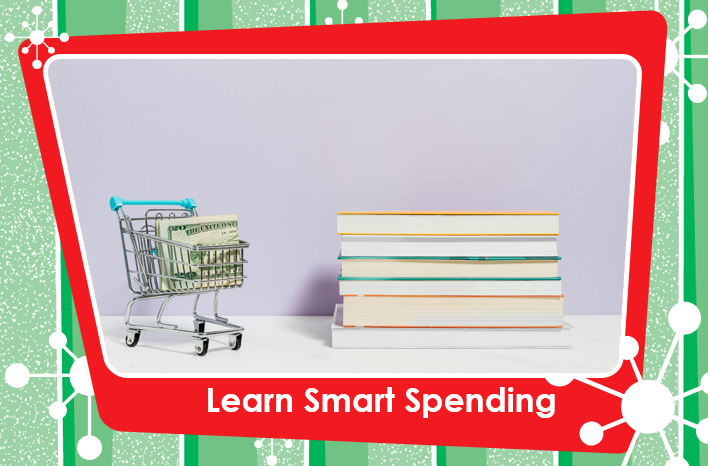
- Buying value, not just price
- Avoiding impulse purchases
- Comparing options
Every rupee should have a purpose.
Step 39: Build Confidence Through Financial Stability
Financial security builds self-confidence.
Benefits:
- Better decision-making
- Less stress
- More independence
Confidence grows when finances are stable.
Step 40: Use Money to Explore Opportunities
Opportunities often require investment.
Examples:
- Starting a project
- Moving to a new city
- Learning new skills
Money opens doors to new possibilities.
Step 41: Strengthen Relationships
Money should support relationships, not damage them.
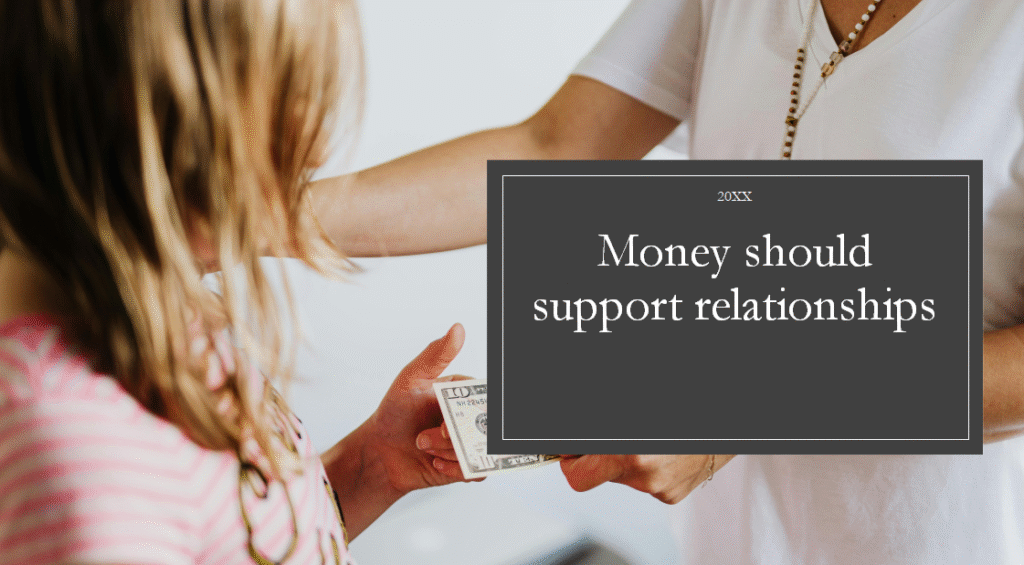
Use It To:
- Help family
- Celebrate events
- Share experiences
Balance is key—avoid over-dependence or control.
Step 42: Build Financial Awareness
What all can be done with money?, Knowledge improves decision-making.
Learn About:
- Budgeting
- Investments
- Taxes
- Risk management
Awareness prevents mistakes.
Step 43: Reduce Financial Fear
Fear often comes from lack of planning, What all can be done with money?.
Reduce Fear By:
- Saving regularly
- Having emergency funds
- Avoiding debt
Prepared people feel more secure.
Step 44: Focus on Long-Term Thinking
Short-term thinking leads to quick spending.
Long-Term Thinking Means:
- Delayed gratification
- Smart investments
- Patience
Time rewards disciplined people.
Step 45: Use Money to Create Balance
Life needs balance between work, money, and happiness.
Balance Includes:
- Earning
- Saving
- Spending
- Enjoying
Too much focus on one area creates imbalance.
Step 46: Avoid Comparison
Comparing finances with others leads to stress.
Remember:
- Everyone’s journey is different
- Focus on your goals
Comparison destroys financial peace.
Step 47: Learn From Mistakes
Everyone makes money mistakes, What all can be done with money?.
Important:
- Accept mistakes
- Learn from them
- Improve decisions
Mistakes can become lessons, What all can be done with money?.
Step 48: Stay Consistent
Consistency is more powerful than big actions.
Example:
- Saving small amounts regularly
- Investing monthly
Small steps lead to big results over time.
Step 49: Build a Purpose-Driven Life
Money should support your purpose.
Ask Yourself:
- What do I want from life?
- How can money help achieve it?
Purpose gives direction to money.
Step 50: Define What “Enough” Means
Unlimited desire leads to stress, What all can be done with money?.
Define:
- Your needs
- Your comfort level
- Your goals
Knowing “enough” creates satisfaction.
Step 51: Turn Money Into Freedom of Choice
One of the greatest powers of money is choice.
What Freedom Looks Like:
- Choosing your career instead of being forced into one
- Taking breaks without financial stress
- Living where you want
- Saying “no” to things that don’t align with your values
Money gives you options, and options give you control over your life.
Step 52: Build a Life You Don’t Need to Escape From
Many people spend money only on vacations to escape stress.
Instead, use money to create a life that feels peaceful daily.
How:
- Choose a comfortable living environment
- Invest in a healthy routine
- Create a balanced work-life system
When your daily life feels good, you don’t need to constantly escape it.
Step 53: Invest in Deep Knowledge
What all can be done with money?, Basic education is important, but deep knowledge creates real power.
Use Money For:
- Specialized courses
- Mentorship programs
- Industry certifications
- Advanced skill training
Deep knowledge increases your long-term earning potential.
Step 54: Create a Financial System, Not Just Habits
Habits are useful, but systems make things automatic.
Build Systems Like:
- Automatic savings transfers
- Monthly investment plans
- Expense tracking tools
A system reduces decision fatigue and ensures consistency.
Step 55: Use Money to Build Confidence in Risk-Taking
Smart risk is necessary for growth, What all can be done with money?
Examples:
- Starting a business
- Switching careers
- Investing in new opportunities
Money provides a safety net that allows you to take calculated risks.
Step 56: Strengthen Emotional Control Around Money
Money decisions are often emotional, What all can be done with money?.
Learn To:
- Avoid impulse buying
- Stay calm during losses
- Make logical decisions
Emotional control leads to better financial outcomes.
Step 57: Build Financial Independence
Financial independence means your expenses are covered without active work.
How to Reach It:
- Increase income
- Reduce unnecessary expenses
- Invest regularly
- Build passive income
It is one of the most important financial goals, What all can be done with money?.
Step 58: Use Money to Improve Decision-Making Power
Financial stability improves your ability to make better decisions.
Benefits:
- Less pressure
- More clarity
- Better long-term thinking
Money removes desperation from decisions.
Step 59: Invest in Long-Term Relationships
Strong relationships are more valuable than money itself.
Use Money To:
- Spend quality time with family
- Travel together
- Support loved ones
Shared experiences build lasting connections.
Step 60: Create Opportunities for Others
Money can be used to lift others.
Ways:
- Provide jobs
- Support small businesses
- Mentor and fund new ideas
Helping others succeed creates a positive cycle.
Step 61: Focus on Value Creation
The more value you create, the more money you can generate.
Ask Yourself:
- What problem can I solve?
- How can I help people?
Money follows value.
Step 62: Use Money to Reduce Stress, Not Increase It
Many people earn more but feel more stressed.
Avoid:
- Overworking only for money
- Spending beyond your limits
- Chasing unnecessary luxury
Money should simplify life, not complicate it.
Step 63: Develop Long-Term Vision
Short-term thinking limits growth.
Long-Term Vision Includes:
- Financial independence
- Stable lifestyle
- Secure family future
Clear vision guides financial decisions.
Step 64: Learn to Delay Gratification
Waiting can increase rewards.
Example:
- Saving before buying
- Investing instead of spending
Patience builds stronger financial health.
Step 65: Build a Personal Money Philosophy
Everyone should define their own relationship with money.
Questions to Ask:
- What does money mean to me?
- What are my priorities?
- How do I want to use it?
Clarity creates confidence.
Step 66: Use Money to Build Resilience
Life has ups and downs.
Financial resilience means:
- Being prepared for setbacks
- Recovering quickly
- Staying stable during crises
Preparation reduces fear.
Step 67: Strengthen Discipline Over Motivation
Motivation changes, but discipline stays.
Build Discipline Through:
- Regular saving
- Budget tracking
- Consistent investing
Discipline leads to long-term success.
Step 68: Invest in Your Environment
Your surroundings influence your mindset.
Improve:
- Living space
- Work environment
- Daily routine
A positive environment improves productivity and happiness.
Step 69: Avoid Financial Overconfidence
Success can lead to risky decisions.
Stay Balanced:
- Continue learning
- Avoid over-investing in one area
- Keep backup plans
Confidence is good, but caution is better.
Step 70: Use Money to Build Identity
Money shapes how you present yourself.
Invest In:
- Skills
- Communication
- Personal growth
A strong identity attracts better opportunities.
Step 71: Balance Material and Emotional Wealth
Money can buy comfort, but not complete happiness.
True Wealth Includes:
- Health
- Relationships
- Peace of mind
Balance is essential.
Step 72: Create Systems for Giving
Helping others should be planned, not random.
Example:
- Set aside a percentage for charity
- Support causes regularly
Consistent giving creates meaningful impact.
Step 73: Protect Yourself From Financial Risks
Risk is always present.
Protect Through:
- Insurance
- Diversification
- Emergency funds
Protection keeps your finances stable.
Step 74: Use Money to Learn From the World
Exposure improves thinking, What all can be done with money?.
Spend On:
- Travel
- Cultural experiences
- Learning environments
New experiences expand your perspective.
Step 75: Stay Adaptable
Financial environments change.
Stay Ready To:
- Learn new skills
- Adjust investments
- Explore new opportunities
Adaptability ensures long-term success.
Step 76: Understand the True Cost of Things
Every purchase has hidden costs.
Think About:
- Maintenance
- Time
- Long-term value
Smart buyers think beyond price.
Step 77: Focus on Consistency Over Perfection
You don’t need perfect plans, What all can be done with money?.
What Matters:
- Regular savings
- Continuous learning
- Steady investing
Consistency builds results.
Step 78: Use Money to Support Creativity
Creativity can become income.
Invest In:
- Art
- Content creation
- Innovation
Creative work brings both joy and opportunity.
Step 79: Build a Life Strategy, Not Just a Money Strategy
Money is only one part of life, What all can be done with money?.
Life Strategy Includes:
- Career goals
- Health plans
- Personal growth
Money should support your life, not control it.
Step 80: Leave a Legacy
The final and most meaningful use of money is legacy.
Legacy Means:
- Supporting future generations
- Helping society
- Creating lasting impact
Your money can continue to create value even after your lifetime.
Final Thoughts
What all can be done with money?, Money is not just currency—it is a powerful tool that can shape your life. It can provide security, create opportunities, improve comfort, and bring happiness when used wisely.
What all can be done with money?, The real value of money lies not in how much you have, but in how effectively you use it. By following a step-by-step approach—covering needs, saving, investing, learning, giving, and enjoying—you can create a balanced and meaningful life.