
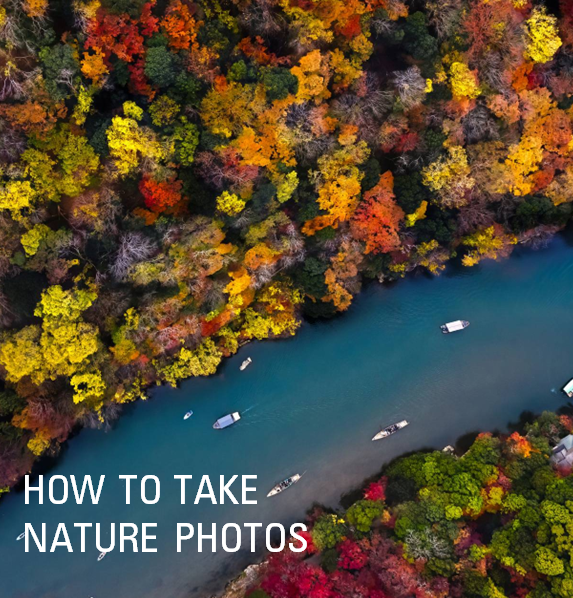
How to Take Nature Photos
A Creative and Practical Guide to Capturing the Beauty of the Natural World
How to Take Nature Photos, Nature photography is not just about taking pictures of landscapes or animals—it is about seeing the world differently. It is about noticing the light falling through leaves, the quiet movement of clouds, the texture of soil, and the small details that most people ignore. When you learn how to take nature photos, you begin to understand nature in a deeper way.
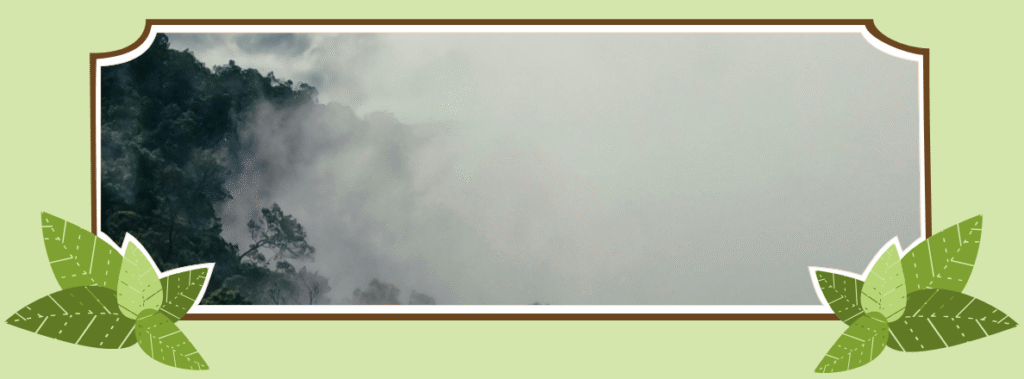
What you really need is curiosity, patience, and the willingness to explore. This guide will help you understand how to capture powerful and beautiful nature photographs step by step.
Seeing Like a Photographer
Before learning techniques, the most important skill is learning how to see. Nature is everywhere, but not everyone notices its beauty, How to Take Nature Photos.
When you step outside, slow down. Look around carefully. Observe how sunlight changes colors, how shadows move, and how different textures interact. A simple leaf, a puddle, or even a broken branch can become a great subject if you look at it creatively.
Try to ask yourself:
- What makes this scene interesting?
- Where is the light coming from?
- What emotion does this place give me?
When you start thinking this way, your photos automatically improve.
Choosing the Right Moment
How to Take Nature Photos,Timing plays a huge role in nature photography. The same place can look completely different at different times of the day.
Early morning is often the best time because the air is fresh, the light is soft, and everything looks calm. You may also notice dew on plants, which adds a magical effect to photos.
Evening is another great time because the sunlight becomes warm and golden. This creates depth and softness in your images.
Avoid rushing. Sometimes the best photo comes after waiting quietly for the right moment.
Understanding Natural Light
Light is the heart of every photograph. Without good light, even the most beautiful location can look dull, How to Take Nature Photos.
Soft light creates gentle shadows and smooth colors. This is ideal for most nature shots.
Harsh light, usually during midday, creates strong shadows and bright highlights. While it can be challenging, it can also be used creatively for dramatic effects.
Try different lighting angles:
- Front light shows details clearly
- Side light adds texture
- Backlight creates glowing effects
Experimenting with light helps you understand how it changes the mood of your photos.
Finding Interesting Subjects
Nature offers endless subjects. You just need to know where to look, How to Take Nature Photos.
Landscapes
Wide scenes like hills, rivers, and fields are perfect for capturing the beauty of nature.
Plants and Flowers
Focus on colors, patterns, and details.
Water
Lakes, waterfalls, and even small puddles can create stunning reflections.
Sky
Clouds, sunsets, and stars provide dramatic visuals.
Small Details
Sometimes the smallest things—like insects or leaves—make the most interesting photos.
Don’t limit yourself to “big” scenes. Even a small area can offer amazing opportunities.
Composition: How to Arrange Your Shot
Composition is how you organize elements in your photo. A good composition makes your image more engaging.
Keep It Simple
Avoid clutter. Focus on one main subject.
Use Space Wisely
Leave some empty space to give your subject room to stand out.
Try Different Angles
Don’t always shoot from eye level. Try low angles or high perspectives.
Balance Elements
If one side of your image is heavy, balance it with something on the other side.
The goal is to guide the viewer’s eye naturally through your photo.
Using Your Camera or Phone Effectively
You don’t need a professional camera to take great nature photos. Even a smartphone can produce excellent results if used properly.
Basic Tips
- Keep your camera steady
- Clean your lens before shooting
- Use focus properly
- Avoid digital zoom if possible
If you are using a camera, learn basic settings like exposure and focus. If you are using a phone, explore features like HDR and manual controls.
Capturing Motion in Nature
Nature is full of movement—flowing water, moving clouds, flying birds, How to Take Nature Photos.
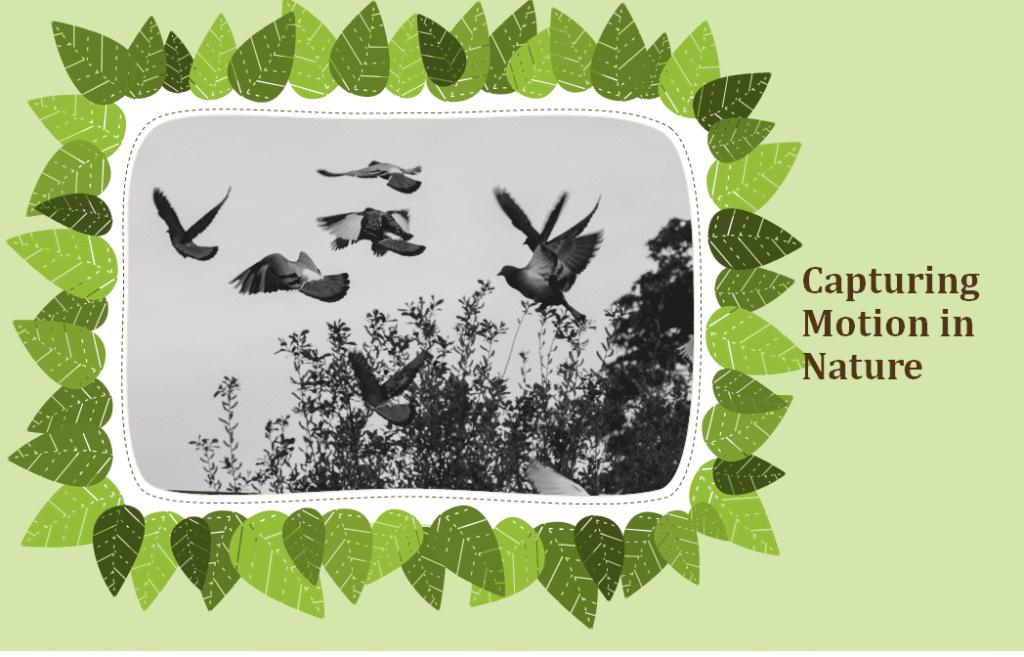
To capture motion:
- Use a fast shutter (or quick shot) for sharp action
- Use a slow shutter (or long exposure apps) for smooth water effects
Motion adds life to your photos.
Working with Weather Conditions
Different weather conditions create different moods.
Sunny Days
Bright and colorful scenes
Cloudy Days
Soft light and balanced tones
Rainy Weather
Reflections and dramatic atmosphere
Fog
Mystery and depth
Instead of waiting for perfect weather, learn to use every condition creatively.
The Power of Patience
How to Take Nature Photos, Nature photography is not about quick results. Sometimes you need to wait.
You may wait for:
- A bird to land
- The right light
- The perfect wave
- A cloud to move
Patience often leads to the most rewarding shots.
Exploring Different Perspectives
Changing your perspective can completely transform your photo, How to Take Nature Photos.
- Shoot from ground level for a dramatic look
- Capture from above for a unique angle
- Move closer for details
- Step back for wider scenes
Don’t take just one photo. Move around and try different viewpoints.
Adding Depth to Your Photos
Depth makes your photo feel more realistic and immersive.
How to Create Depth
- Include foreground, middle, and background
- Use leading lines like paths or rivers
- Capture layers like trees or hills
Depth helps your photo feel alive.
Editing Your Photos Naturally (How to Take Nature Photos)
Editing is an important step, but it should enhance your photo—not change it completely.
Simple Editing Tips
- Adjust brightness slightly
- Improve contrast
- Enhance colors naturally
- Crop unwanted parts
Avoid over-editing. Keep your photo looking natural and real.
Avoiding Common Mistakes
How to Take Nature Photos, Many beginners make simple mistakes that can be easily avoided.
- Taking photos too quickly
- Ignoring lighting
- Overcrowding the frame
- Not focusing properly
- Over-editing
Learning from these mistakes will improve your skills faster.
Building Your Own Style
Every photographer has a unique style. Your style is what makes your photos different, How to Take Nature Photos.
To develop your style:
- Take photos regularly
- Experiment with ideas
- Notice what you enjoy capturing
- Stay consistent
Your style will grow naturally over time.
Connecting Emotion with Nature
Great photos are not just about beauty—they are about emotion.
Ask yourself:
- What do I feel when I see this?
- Can I capture that feeling?
A peaceful lake, a dramatic sky, or a quiet forest can all tell different emotional stories.
When your photo connects emotionally, it becomes powerful.
Respecting Nature While Shooting
Nature photography comes with responsibility, How to Take Nature Photos.
- Do not damage plants
- Do not disturb animals
- Avoid littering
- Stay on safe paths
Protecting nature ensures it remains beautiful for everyone.
Practicing Regularly
The best way to improve is through practice.
Try to take photos regularly—even in your local area.
You don’t need mountains or forests. Even a park, garden, or roadside can offer great opportunities.
Practice helps you understand light, composition, and timing better.
Advanced Techniques, Creative Vision, and Professional-Level Nature Photography Skills
How to Take Nature Photos, Nature photography becomes truly exciting when you move beyond the basics and start exploring deeper techniques, creative thinking, and personal style. In Part 1, we covered the foundations—understanding light, composition, timing, and observation. Now, in Part 2, we take your skills to the next level by focusing on advanced methods that help transform ordinary photos into extraordinary visual stories.
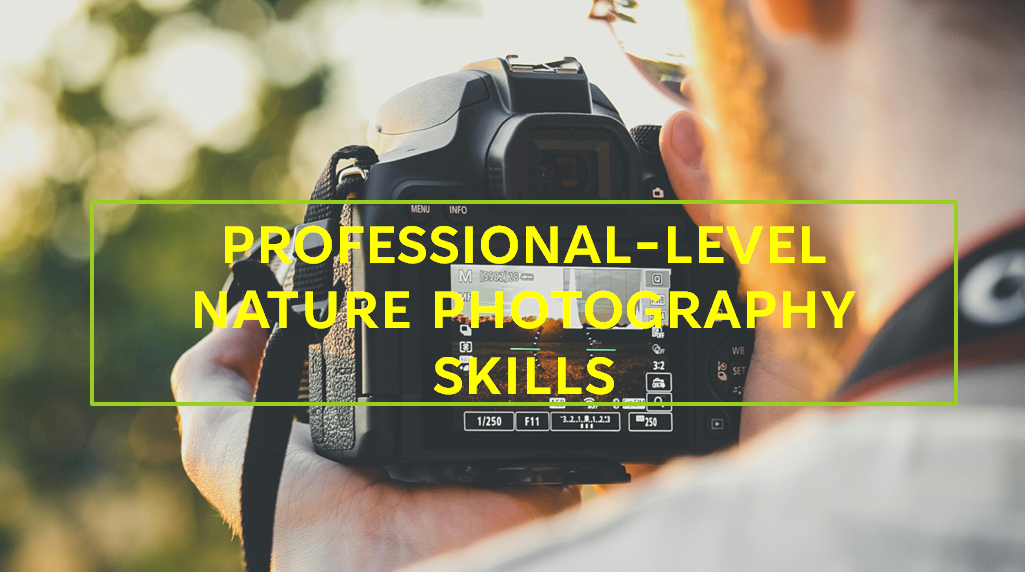
This guide is designed to help you think like a professional while still enjoying the process like a beginner. Whether you use a smartphone or a camera, these ideas will help you create stronger, more impactful nature photographs.
Thinking Beyond the Obvious
How to Take Nature Photos, Most beginners take photos of what they see. Advanced photographers capture what they feel.
Instead of simply photographing a tree, think about:
- The mood of the scene
- The light around it
- The story behind it
- The emotion it creates
For example, a lonely tree in fog can represent calmness or mystery. The same tree under bright sunlight can feel energetic and alive.
This shift in thinking is what separates a simple photo from a meaningful one.
Understanding Depth and Layers
How to Take Nature Photos, Creating depth in your photos makes them feel more realistic and immersive.
The Three Layers Technique
Foreground
This is the part closest to the camera—like grass, rocks, or flowers.
Middle Ground
This includes your main subject.
Background
This could be mountains, sky, or distant objects.
When all three layers are included, your image feels complete and three-dimensional.
Mastering Perspective
Perspective is how you choose to view your subject.
Unique Perspective Ideas
- Shoot from ground level to make subjects look bigger
- Capture reflections for a mirrored effect
- Frame your subject through natural elements
- Use wide angles for dramatic landscapes
Using Light Creatively
At an advanced level, light is not just something you use—it becomes something you shape, How to Take Nature Photos.
Creative Lighting Techniques
Silhouettes
Place your subject in front of a bright background to create a dark outline.
Rim Lighting
Capture light around the edges of your subject for a glowing effect.
Shadow Play
Use shadows as part of your composition to create patterns and drama.
Light can completely change the mood of your photograph.
Capturing Motion with Intention
Movement is one of the most powerful elements in nature photography.
Techniques for Motion
Freezing Motion
Use fast settings (or quick shots) to capture sharp details like birds in flight or splashing water.
Motion Blur
Use slower capture methods to show movement, such as flowing waterfalls or moving clouds.
The key is deciding whether you want to freeze the moment or show the movement.
Advanced Composition Techniques
Beyond basic composition, you can explore more creative arrangements.
Negative Space
This creates a calm and minimal look.
Leading Patterns
Look for repeating shapes like leaves, waves, or textures. Patterns can make your image visually interesting.
Framing Within the Frame
Use natural elements like branches, windows, or caves to frame your subject.
Diagonal Composition
Place elements diagonally to create movement and energy in your image.
Storytelling Through Nature Photography
A great photo tells a story without using words.
How to Tell a Story
- Capture a sequence of moments
- Focus on details that suggest a story
- Use light and composition to guide emotion
For example, a photo of footprints in the sand can tell a story of someone’s journey without showing the person.
Working with Color and Mood
Colors play a strong role in how people feel when they see your photo, How to Take Nature Photos.
Color Techniques
Warm Colors
Red, orange, and yellow create energy and warmth.
Cool Colors
Blue and green create calmness and peace.
Contrast
Use opposite colors to make your subject stand out.
Monochrome
Stick to one color tone for a clean and artistic look.
Understanding color helps you control the mood of your photos.
Exploring Macro Creativity
How to Take Nature Photos, Macro photography is not just about getting close—it is about revealing hidden beauty.
Advanced Macro Tips
- Focus on textures like bark or leaves
- Capture water droplets
- Use background blur for isolation
- Look for symmetry in nature
Macro photography helps you see details that others miss.
Using Reflections and Symmetry
Reflections can create powerful visual effects.
Where to Find Reflections
- Water surfaces
- Wet roads
- Glass-like surfaces
Symmetry adds balance and harmony to your image.
Try flipping your perspective to capture both the subject and its reflection.
Shooting in Challenging Conditions
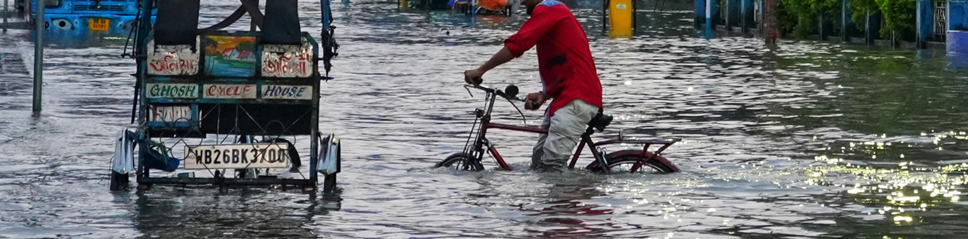
Advanced photographers don’t wait for perfect conditions—they adapt, How to Take Nature Photos.
Bright Sunlight
Use shadows creatively or focus on high-contrast scenes.
Low Light
Keep your camera steady and focus on light sources.
Rain and Fog
Use these conditions to create mood and atmosphere.
Difficult conditions often produce the most unique photos.
Minimalism in Nature Photography
How to Take Nature Photos, Less is often more.
Instead of filling your frame with too many elements, focus on one subject and remove distractions.
Minimalist photos feel clean, calm, and powerful.
Developing Patience and Timing
At this level, patience becomes even more important.
You may need to wait for:
- A cloud to move into position
- A bird to land
- Light to hit the perfect spot
Editing for Enhancement, Not Perfection
Editing is where you refine your image,How to Take Nature Photos.

Advanced Editing Tips
- Adjust exposure carefully
- Enhance colors slightly
- Improve sharpness
- Maintain natural tones
Avoid making your photo look artificial.
Creating a Personal Photography Style
Your style is what makes your work unique.
How to Build Your Style
- Focus on subjects you love
- Use consistent colors or tones
- Develop a signature composition style
- Keep practicing
Over time, people will recognize your work just by looking at it.
Using Nature Photography for Creativity
Nature photography can be used in many creative ways:
- Social media content
- Wall art and prints
- Personal portfolios
- Creative projects
Your photos can become more than just memories—they can become art.
Avoiding Advanced Mistakes
Even experienced photographers make mistakes.
Common Issues
- Overcomplicating the shot
- Ignoring lighting conditions
- Over-editing
- Not experimenting enough
Keep learning and improving with each photo.
Continuous Learning and Exploration
Nature is always changing, and so should your photography.
Try new locations, explore different seasons, and experiment with new ideas.
Every outing is an opportunity to learn something new.
Conclusion
Nature photography at an advanced level is about creativity, patience, and vision. It is not just about capturing what is in front of you, but about expressing how you see the world.
Pingback: Where to Earn Genuine Money Online - Digital Agency