
Home Decoration:
The Ultimate Guide to Beautiful and Modern Living Spaces
Understanding the Importance of Home Decoration
Emotional and Psychological Impact of Interior Design
Home decoration is far more than simply arranging furniture or hanging a few pictures on the wall. It is about creating an environment that reflects personality, lifestyle, and emotional comfort. The way a home looks and feels can directly influence a person’s mood, productivity, and mental well-being. Imagine walking into a bright, organized room filled with warm colors and comfortable furniture. Instantly, it can make you feel relaxed, inspired, and at ease. On the other hand, a cluttered or poorly designed space can cause stress and discomfort without you even realizing it.
Home Decoration, Interior design experts often emphasize that a well-decorated home acts like a silent storyteller. It communicates who you are, what you value, and how you want to live your life. For example, someone who loves nature may decorate their home with plants, natural materials, and earthy colors, while another person may prefer sleek modern furniture with minimal decoration. This emotional connection is the core reason why home decoration matters so much in everyday life. A thoughtfully decorated home transforms ordinary spaces into meaningful environments that support relaxation, creativity, and happiness.
Why Home Decor Matters in Modern Lifestyles
Home Decoration, Modern lifestyles have changed significantly in recent years. With remote work, digital communication, and home-based activities becoming more common, people now spend more time at home than ever before. As a result, the demand for attractive and functional living spaces has increased dramatically. Research shows that the global home decor market reached around USD 810.5 billion in 2025 and is expected to grow to over USD 1.12 trillion by 2034, reflecting the rising interest in improving home interiors.
Home Decorate, This growing demand shows that people no longer view their homes as just places to sleep. Instead, homes are now multifunctional environments where individuals work, relax, socialize, and express their identity. A well-decorated home can improve comfort, boost productivity, and create a welcoming atmosphere for guests. Whether someone lives in a small apartment or a large house, thoughtful decoration can make a huge difference in how the space is experienced every day.
The Global Growth of the Home Decor Industry
Market Size and Rising Demand for Home Decoration
The home decor industry has evolved into one of the fastest-growing segments within the global design and construction market. Increasing urbanization, rising disposable incomes, and changing lifestyle preferences have encouraged millions of homeowners to invest in interior decoration. According to market reports, the residential interior design market was valued at approximately USD 184.94 billion in 2025 and is projected to reach USD 322.4 billion by 2035, growing steadily over the next decade.
This growth reflects a significant shift in how people view their homes. Instead of focusing solely on functionality, homeowners now prioritize aesthetics, comfort, and personalization. Renovation projects, furniture upgrades, decorative accessories, and lighting improvements are becoming increasingly common. In fact, around 58% of homeowners plan to renovate or redesign their living spaces, highlighting the importance of home decoration in modern lifestyles.
Online shopping has also played a huge role in the expansion of the home decor market. E-commerce platforms now account for more than 38% of global decor product sales, making it easier than ever for people to discover new styles and purchase furniture or accessories with just a few clicks.
How Social Media and Technology Influence Decor Trends
Technology and social media have transformed the way people approach home decoration. Platforms such as Pinterest, Instagram, and TikTok have become powerful sources of inspiration for interior design ideas. Millions of users share photos and videos showcasing beautifully decorated homes, innovative DIY projects, and creative decorating techniques. This digital exposure has accelerated the spread of design trends across the world.
Technology has also introduced new tools that simplify the decorating process. Virtual interior design software, augmented reality applications, and 3D room planners allow homeowners to visualize how furniture and colors will look in their spaces before making a purchase. Around 35% of interior design clients now use online or virtual consultation services, demonstrating how digital innovation is reshaping the industry.
Choosing the Perfect Home Decor Style
Modern and Minimalist Interior Styles
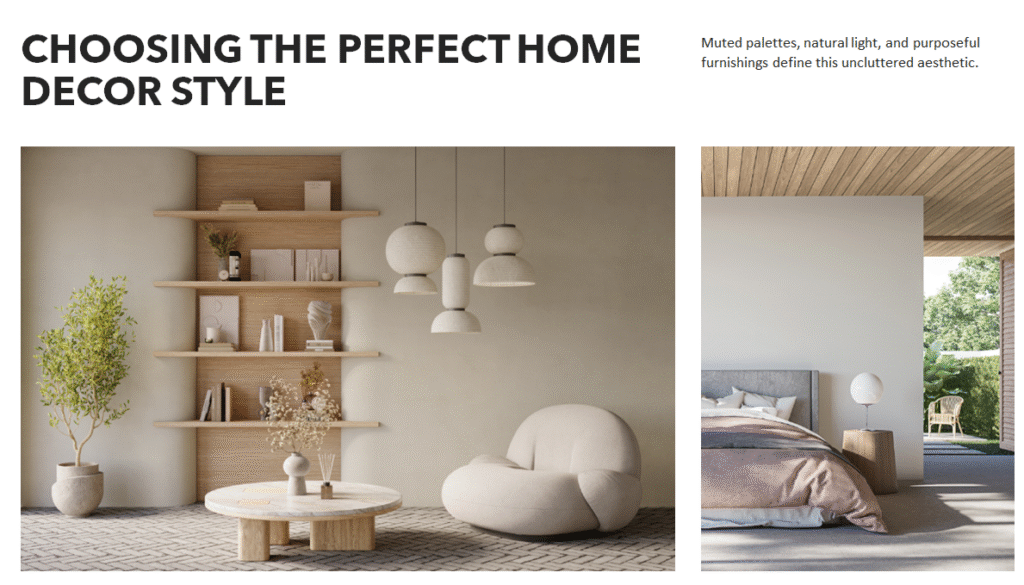
Selecting a decorating style is one of the most important decisions in any home decor project. A consistent style creates harmony throughout the home and ensures that furniture, colors, and accessories work together cohesively. Among the many design styles available, Home Decoration, modern and minimalist interiors remain some of the most popular choices today.
Modern interior design focuses on simplicity, clean lines, and functional furniture. Instead of overcrowding a room with decorations, modern homes prioritize open spaces, natural lighting, and carefully chosen design elements. Minimalist interiors take this concept even further by reducing unnecessary items and emphasizing calm, uncluttered environments. The idea is simple: fewer objects, but better quality and thoughtful placement.
Minimalism doesn’t mean a home should feel empty or cold. In fact, modern minimalism often incorporates warm textures, soft fabrics, and natural materials to create a welcoming atmosphere. Neutral color palettes, such as beige, cream, and soft gray, are commonly used because they provide a timeless and relaxing background for furniture and decorative elements.
Vintage, Classic, and Eclectic Styles
While minimalism remains popular, many homeowners are embracing more expressive decorating styles that celebrate personality and creativity. Vintage and classic interior design draw inspiration from historical aesthetics, featuring elegant furniture, detailed craftsmanship, and decorative accessories with nostalgic charm.
Eclectic design, on the other hand, combines elements from different styles and eras to create unique and personalized interiors. This approach encourages creativity and experimentation, allowing homeowners to mix modern furniture with antique decorations or traditional textiles with contemporary lighting fixtures.
Design experts note that maximalist and eclectic styles are gaining popularity again, with 39% of interior designers predicting maximalism will remain a dominant trend in 2026. These styles focus on layered textures, bold colors, and meaningful decorative objects that tell a story about the homeowner’s personality and experiences.
Essential Elements of Beautiful Home Decoration
Furniture Selection and Placement
Home Decoration, Furniture is the foundation of any home decor plan. The type, size, and arrangement of furniture determine how comfortable and functional a room will be. Choosing the right furniture requires careful consideration of both aesthetics and practicality.
One of the most important factors in furniture selection is proportion. Oversized furniture can make a small room feel cramped, while tiny furniture pieces may look awkward in a large space. Designers often recommend selecting furniture that complements the size and layout of the room while leaving enough space for movement and circulation.
Multi-functional furniture is also becoming increasingly popular, especially in urban homes with limited space. Storage beds, foldable tables, modular sofas, and convertible desks allow homeowners to maximize functionality without sacrificing style.
Lighting Design and Atmosphere Creation
Lighting is one of the most powerful tools in home decoration. It influences the mood of a room, highlights architectural features, and enhances the overall aesthetic of a space. A well-designed lighting plan usually includes a combination of three types of lighting: ambient, task, and accent lighting.
Ambient lighting provides general illumination for the entire room, while task lighting focuses on specific activities such as reading or cooking. Accent lighting, such as wall sconces or decorative lamps, is used to highlight artwork, furniture, or architectural details.
Layering these different lighting types creates depth and dimension within a room. Soft warm lighting can make a living room feel cozy and inviting, while bright cool lighting may be more suitable for workspaces and kitchens.
Color Psychology in Home Decoration
Choosing the Right Colors for Each Room
Color plays a crucial role in shaping the atmosphere of a home. Different colors evoke different emotions and can significantly influence how a space feels. For example, soft blues and greens are often associated with calmness and relaxation, making them ideal choices for bedrooms and bathrooms.
Warm colors such as red, orange, and yellow create energy and excitement, which can work well in dining areas or social spaces. Neutral tones like beige, white, and gray provide balance and versatility, allowing other decorative elements to stand out.
Choosing the right color palette requires understanding both personal preferences and the purpose of each room. A balanced color scheme ensures that the home feels harmonious and visually pleasing.
Trending Color Palettes in Modern Homes
Recent design trends show a shift toward warm, nature-inspired color palettes. Shades such as terracotta, olive green, clay brown, and muted indigo are becoming increasingly popular in modern homes. These colors reflect a growing interest in natural materials and calming environments that promote relaxation and well-being.
Design experts also highlight the rise of bold jewel tones like deep blue, emerald green, and rich burgundy. These dramatic colors add depth and character to living spaces, especially when combined with neutral backgrounds and textured materials.
The Role of Indoor Plants in Home Decor
Home Decoration, Indoor plants have become one of the most popular elements in modern home decoration. They bring life, color, and freshness into indoor spaces while improving air quality and promoting a sense of calm. Many people find that incorporating plants into their homes helps create a peaceful and relaxing environment.
Plants work well in almost any room of the house. In living rooms, large floor plants such as fiddle leaf figs or palm varieties create dramatic focal points. Smaller plants placed on shelves, desks, or window sills add subtle decorative charm. Hanging plants can also be used to fill vertical space and create a lush, garden-like atmosphere indoors.
The presence of greenery connects interior spaces with nature, which is especially valuable in urban environments where natural landscapes may be limited. Designers often refer to this concept as “biophilic design,” which focuses on integrating natural elements into built environments. Studies suggest that exposure to indoor plants can reduce stress and improve concentration, making them beneficial for both homes and workspaces.
Open Space Decoration Concepts
Open-concept homes have become increasingly popular in modern architecture. These designs combine multiple functional areas—such as the kitchen, dining room, and living room—into one large open space. While open layouts create a sense of freedom and spaciousness, they also require thoughtful decoration to maintain visual harmony.
One effective technique is the use of area rugs to define different zones within the open space. For example, a rug placed beneath the sofa and coffee table can visually separate the living area from the dining space. Furniture placement also plays a crucial role in creating natural boundaries between areas.

Consistent color palettes help unify open spaces, Home Decoration. Using complementary shades throughout the entire area ensures that the different zones feel connected rather than disconnected. Decorative elements such as plants, lighting fixtures, and artwork can also help establish continuity within the design.
Another useful approach is the use of decorative partitions or shelving units. These elements divide spaces subtly without blocking light or making the area feel cramped. The result is an open environment that remains organized and visually balanced.
Smart and Sustainable Home Decor Ideas
Eco-Friendly Materials and Sustainable Furniture
Sustainability has become one of the most important priorities in modern home decoration. Many homeowners are now choosing eco-friendly materials and environmentally responsible design practices. This shift reflects a broader awareness of environmental issues and the desire to create healthier living environments.
Eco-friendly home decor often includes reclaimed wood furniture, natural stone flooring, organic fabrics, and low-VOC paints. Handmade and locally crafted items are also gaining popularity because they support traditional craftsmanship and reduce the environmental impact of mass production.
Sustainable decoration is not just about environmental responsibility. It also introduces unique textures and authentic materials that add warmth and character to a home.
Smart Technology in Modern Interior Design
Smart technology is rapidly transforming home decoration and interior design. From voice-controlled lighting systems to automated curtains and climate control, modern homes are becoming more intelligent and efficient. These technologies not only improve convenience but also enhance energy efficiency and security.
Home Decoration, Smart home devices can be seamlessly integrated into interior design without compromising aesthetics. Hidden speakers, smart mirrors, and app-controlled lighting systems allow homeowners to enjoy advanced technology while maintaining a clean and elegant interior style.
Decorating Each Room with Style
Living Room Decoration Ideas
Home Decoration, The living room is often considered the heart of the home. It is the place where families gather, guests are entertained, and daily relaxation takes place. Because of this, living room decoration should focus on comfort, functionality, and visual appeal.

A well-designed living room usually features a central seating arrangement, such as a sofa and coffee table, surrounded by complementary decorative elements. Rugs, curtains, artwork, and indoor plants can add texture and personality to the space.
Large wall art, decorative mirrors, and statement lighting fixtures are also popular choices for enhancing living room aesthetics. These elements create visual interest while maintaining balance within the room.
Bedroom Decoration Tips
The bedroom should be a peaceful retreat where relaxation and rest are the main priorities. Soft lighting, comfortable bedding, and calming color palettes are essential components of bedroom decoration.
Layered textiles such as blankets, cushions, and curtains add warmth and comfort while enhancing the visual depth of the room. Minimal clutter is important in bedroom design because an organized environment promotes better sleep and mental relaxation.
Adding personal touches such as photographs, artwork, or decorative lamps can make the bedroom feel more intimate and meaningful.
Budget-Friendly Home Decor Ideas
DIY Decor Projects
Decorating a home does not always require a large budget. DIY projects offer creative and affordable ways to personalize living spaces while saving money. Simple ideas such as painting old furniture, creating handmade wall art, or designing decorative shelves can dramatically transform a room.

DIY decor also allows homeowners to experiment with different styles and materials. By using recycled or repurposed items, it is possible to create unique decorations that reflect individual creativity and environmental awareness.
Affordable Decoration Hacks
Small changes can have a big impact on the appearance of a home. Rearranging furniture, adding decorative pillows, or updating curtains can instantly refresh a room without requiring major renovations, Home Decoration.
Indoor plants are another affordable and effective decoration element. They bring life and color into a space while improving air quality and creating a natural atmosphere.
Conclusion
Home decoration is more than a design trend—it is an essential part of creating a comfortable, functional, and inspiring living environment. From choosing the right furniture and colors to incorporating sustainable materials and smart technology, every design decision contributes to the overall experience of a home.
As modern lifestyles continue to evolve, the importance of well-designed living spaces will only grow. Whether someone prefers minimalist simplicity, vintage elegance, or bold eclectic styles, the key to successful home decoration lies in personalization. A home should reflect the people who live in it, telling their stories through colors, textures, and meaningful objects.
With thoughtful planning and creative inspiration, anyone can transform their living space into a beautiful sanctuary that offers comfort, functionality, and lasting happiness.
FAQs
1. What is home decoration?
Home decoration is the process of enhancing the interior of a house using furniture, colors, lighting, and decorative accessories to create an attractive and comfortable living environment.
2. Why is home decor important?
Home decor improves comfort, reflects personal style, and creates a welcoming atmosphere. A well-decorated home can also boost mood and productivity.
3. What are the most popular home decor styles?
Popular styles include modern, minimalist, vintage, Scandinavian, industrial, and eclectic designs.
4. How can I decorate my home on a budget?
You can decorate your home affordably by using DIY projects, repurposing old furniture, adding plants, and rearranging existing decorations.
5. What are the latest trends in home decoration?
Current trends include sustainable materials, smart home technology, earthy color palettes, curved furniture, and nature-inspired interior designs.
Pingback: Top 50 Budget Trips in Other Countries for Friends - Digital Agency