
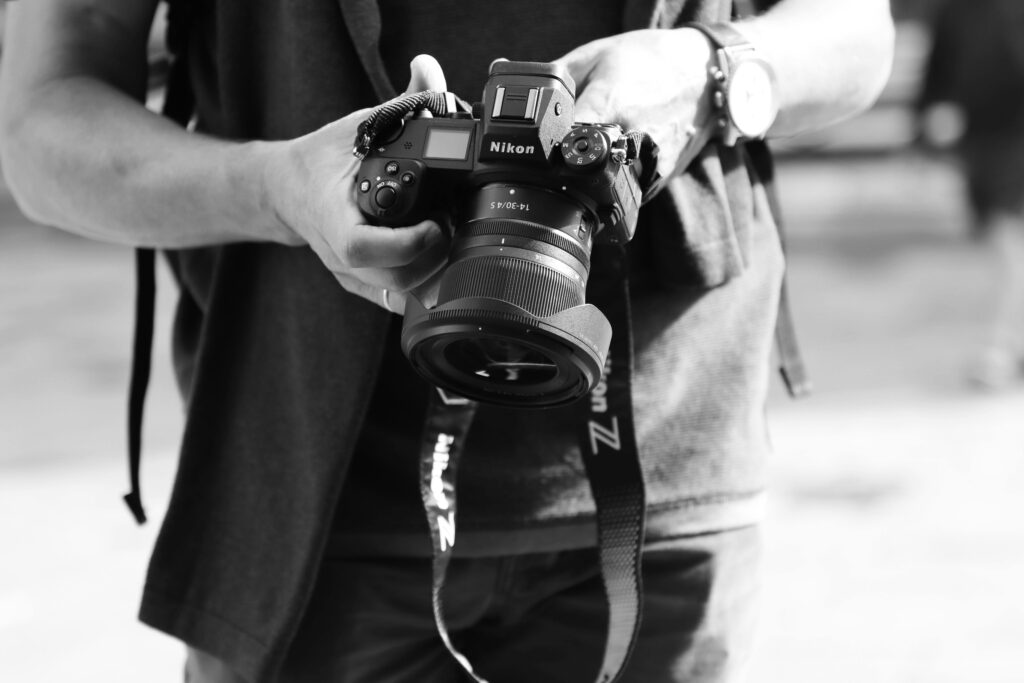
Professional & Business Photography: A Practical Blueprint for Building Authority, Brand Power, and Sustainable Income
Introduction:-
Why Images Decide Business Success Before Words Do
Professional & Business Photography, Before someone reads your business story, checks your pricing, or contacts you, they judge you silently—through images. In today’s digital-first economy, photography is not decoration; it is decision-making fuel.
Professional & business photography is the bridge between who you are and how the world perceives you. A single image can communicate trust, expertise, ambition, and quality within seconds. Poor visuals can silently destroy  credibility, even if the service is excellent.
This guide is written to go deeper than surface-level photography tips. You will understand how professional photography works in business, how to use it step by step, how money flows in this field, and how to build long-term value, whether you are a photographer or a business owner.
What Makes Photography “Professional” in Business Contexts?
Professional business photography is not defined by expensive cameras. It is defined by intent, consistency, and commercial purpose.
Core Characteristics
- Planned, not random
- Brand-aligned, not generic
- Goal-oriented, not aesthetic-only
- Repeatable and scalable
A professional image answers one silent question:
“Why should I trust this business?”
Different Forms of Business Photography Explained Clearly
Corporate Identity Photography
Used for:
- Company websites
- LinkedIn profiles
- Press kits
Focus: credibility, leadership, clarity.
Commercial Product Photography
Used for:
- E-commerce
- Catalogs
- Advertising
Focus: clarity, features, usability.
Brand Story Photography
Used for:
- Social media
- Campaigns
- Brand storytelling
Focus: emotion, connection, authenticity.
Operational & Workplace Photography
Used for:
- Internal communication
- Employer branding
- Transparency
Focus: process, people, culture.
Why Businesses That Ignore Photography Fall Behind
Businesses often invest in ads, websites, and social media but ignore photography. This creates a gap between message and visual proof.
Real Consequences of Poor Photography
- Lower conversion rates
- Reduced trust
- Weak brand recall
- Inconsistent identity
Photography doesn’t shout. It signals. And signals influence buying behavior.
Step-by-Step: How Professional Business Photography Is Planned

Step 1: Define the Business Objective
Before any camera is used, ask:
- What problem does this photo solve?
- Who will see it?
- Where will it be used?
No goal = wasted shoot.
Step 2: Define the Brand Personality
Is the brand:
- Formal or friendly?
- Premium or accessible?
- Bold or minimal?
Photography must visually match brand tone.
Step 3: Decide the Visual Style
Choose:
- Color mood
- Lighting intensity
- Background simplicity
Consistency matters more than creativity here.
Step 4: Prepare People and Products
- Clothing aligned with brand colors
- Clean, realistic presentation
- Natural expressions over forced poses
Preparation saves editing time and money.
Step 5: Choose the Right Environment
Options:
- Studio (controlled, clean)
- Office (authentic, professional)
- Outdoor (approachable, modern)
Environment should support—not distract.
Step 6: Lighting Setup
Good lighting:
- Shapes professionalism
- Reduces editing needs
- Improves clarity
Soft light builds trust. Harsh light builds tension.
Step 7: Shoot With Purpose
Capture:
- Multiple angles
- Vertical and horizontal frames
- Space for text overlays
Think ahead to usage platforms.
Step 8: Refine Through Post-Processing
Editing should:
- Enhance reality
- Maintain skin texture
- Keep brand colors consistent
Over-editing damages trust.
How Businesses Should Use Photography Strategically
Website Usage
- Hero sections
- Team introductions
- Service explanations
Photos should guide the visitor’s eye.
Social Media Usage
- Consistent visual identity
- Human-focused images
- Story-driven visuals
People engage with people, not logos.
Marketing & Advertising
- Campaign visuals
- Banners
- Print materials
Professional photos reduce explanation needs.
The Role of Photography in Personal Branding
For:
- Consultants
- Coaches
- Founders
- Executives
Your image becomes your handshake. A strong portrait:
- Builds authority
- Feels approachable
- Signals confidence
Personal branding photography is about presence, not perfection.
How Photography Builds Business Trust Without Words
Trust grows when visuals show:
- Real environments
- Real people
- Real processes
Transparency through images reduces skepticism.
Money Side: How Professional Business Photography Generates Income
- Project-Based Earnings
One-time shoots for:
- Websites
- Product launches
- Rebranding
- Ongoing Business Contracts
Monthly or quarterly shoots:
- Content updates
- Social media visuals
Stable income stream.
- Usage Licensing

Businesses pay for:
- Advertising rights
- Long-term usage
- Multiple platforms
Licensing increases value without extra work.
- Event & Conference Coverage
Corporate events demand:
- Speed
- Accuracy
- Professional delivery
High demand, repeat clients.
- Personal Brand Packages
High-value clients:
- Executives
- Entrepreneurs
- Public speakers
Low volume, high margins.
How Photographers Price Their Work Correctly
Pricing depends on:
- Skill level
- Brand impact
- Usage rights
- Time investment
Smart Pricing Includes
- Shooting time
- Editing time
- Equipment cost
- Business expenses
Professionals charge for value, not hours.
How Businesses Should Budget for Photography
Instead of random spending:
- Plan yearly shoots
- Align with campaigns
- Reuse assets smartly
Photography becomes a long-term asset.
Legal Clarity: Ownership & Usage Rights
Important rules:
- Photographer owns original copyright
- Businesses buy usage rights
- Contracts define boundaries
Clear agreements protect relationships.
Common Errors That Reduce Image Impact
- Inconsistent styles
- Poor lighting
- Overuse of stock images
- Ignoring brand identity
Avoiding these alone boosts quality instantly.
Future Direction of Business Photography
Emerging shifts:
- More natural expressions
- Less staged perfection
- Short-form visual storytelling
- AI-assisted workflows
Authenticity is the new luxury.
Why Photography Is a Business Asset, Not a Cost
A strong image:
- Works 24/7
- Builds reputation
- Multiplies marketing impact
Few investments offer this longevity.
Photography as Silent Business Power
Professional & business photography works quietly but powerfully. It does not beg for attention—it earns trust. In a crowded market, the businesses that communicate visually with clarity and honesty rise naturally.
Whether you create images or use them, mastering professional photography is no longer optional. It is a core business skill that shapes perception, credibility, and growth.
The camera may be small, but its impact is massive.
Professional & Business Photography:
Brand Value, and Income
Why Professional & Business Photography Matters More Than Ever
In today’s fast-moving digital world, people don’t read first—they see first. Before someone reads your company description, checks your services, or trusts your brand, they look at your photos. That first visual impression decides everything.
Professional & business photography is not just about clicking beautiful pictures. It is about telling a story of credibility, confidence, and value through images. Whether you are a business owner, entrepreneur, freelancer, startup founder, or corporate professional, photography has the power to shape how the world sees you.
Professional & Business Photography, From websites and social media to advertisements and corporate profiles, high-quality business photography builds trust faster than words ever can. In this blog, you’ll learn everything—from basics to advanced strategies, step-by-step processes, practical usage, and how money flows in this industry.
What Is Professional & Business Photography?
Professional & business photography focuses on creating images that represent a brand, company, or professional identity. These photos are used for marketing, branding, communication, and sales.
Key Types of Business Photography
- Corporate portraits and headshots
- Office and workplace photography
- Product photography
- Branding and lifestyle photography
- Event and conference photography
- Industrial and manufacturing photography
Unlike casual photography, business photography is purpose-driven. Every image has a goal: attract clients, build trust, or communicate professionalism.
Why Businesses Need Professional Photography

- Builds Trust Instantly
People trust businesses that look professional. Clear, high-quality images signal seriousness and reliability.
- Strengthens Brand Identity
Consistent visual style helps people recognize and remember your brand.
- Increases Conversions
Better photos lead to higher engagement, longer website visits, and more sales.
- Improves Online Presence
Search engines and social platforms favor visually rich content.
Understanding the Psychology Behind Business Photography
Photos speak directly to emotions. A confident portrait, a clean office shot, or a detailed product image triggers subconscious signals:
- Stability
- Expertise
- Transparency
- Quality
When images align with brand values, customers feel safe choosing your services.
Essential Equipment for Professional & Business Photography
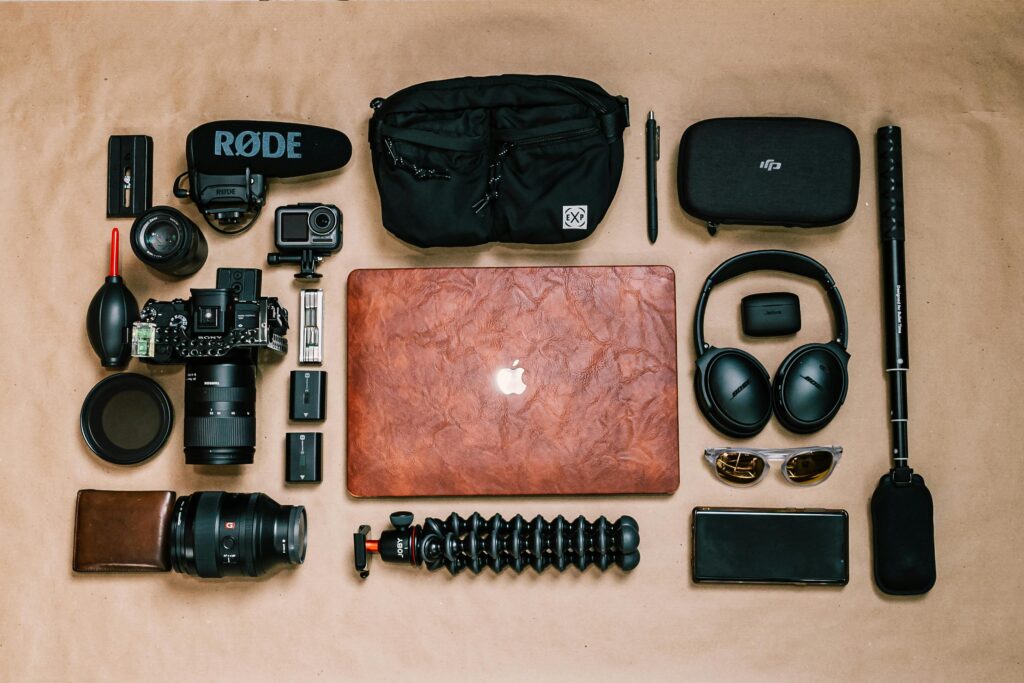
Camera
- Full-frame or APS-C DSLR / Mirrorless cameras
- High-resolution sensors for clarity
Lenses
- Prime lenses (50mm, 85mm) for portraits
- Wide-angle lenses for offices and interiors
- Macro lenses for product details
Lighting
- Soft boxes and LED panels
- Natural light modifiers
- Reflectors and diffusers
Accessories
- Tripods for stability
- Backdrops for clean compositions
- Color cards for accurate editing
Process of Professional Business Photography
Step 1: Understand the Business Goals
Before shooting, understand:
- Brand message
- Target audience
- Platforms where images will be used
Step 2: Plan the Visual Story
Decide:
- Style (formal, modern, friendly)
- Color palette
- Mood and tone
Step 3: Prepare the Location
- Clean workspace
- Remove clutter
- Arrange props naturally
Step 4: Prepare the Subject
- Professional clothing
- Grooming and posture
- Natural expressions
Step 5: Set Up Lighting
Lighting shapes professionalism. Soft, balanced lighting avoids harsh shadows and distractions.
Step 6: Compose the Shot
- Rule of thirds
- Balanced framing
- Clean backgrounds
Step 7: Capture Multiple Variations
Different poses, angles, and expressions ensure flexibility later.
Step 8: Post-Processing
- Color correction
- Skin retouching (natural, not fake)
- Sharpening and cropping
How to Use Professional & Business Photography Effectively
Website Usage
- Homepage hero images
- About page team portraits
- Service visuals
Social Media
- LinkedIn professional headshots
- Instagram branding photos
- Facebook business posts
- Other Business platform
Marketing Materials
- Brochures
- Flyers
- Email campaigns
Press & Media
- Press releases
- Interviews
- Corporate announcements
Corporate Headshots: More Than Just a Photo
A corporate headshot reflects personality and professionalism at the same time. It should:
- Show confidence
- Feel approachable
- Match brand tone
Modern headshots focus on authenticity rather than stiff poses.
Product Photography for Business Growth
Good product photography: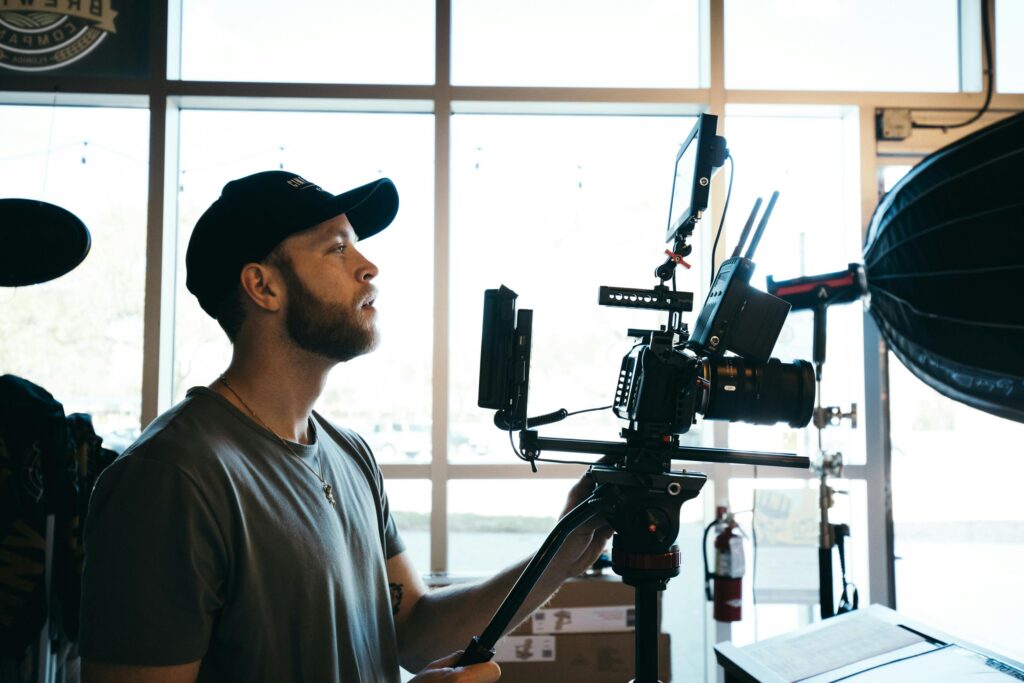
- Highlights features
- Shows real usage
- Builds buyer confidence
Best Practices
- Neutral backgrounds
- Multiple angles
- Close-up details
Great product images reduce returns and increase customer satisfaction.
Branding Photography: Telling Your Business Story
Branding photography shows:
- Work culture
- Behind-the-scenes moments
- Real people and processes
It humanizes the brand and connects emotionally with audiences.
Business Photography for Startups
Startups often skip photography due to budget fears. This is a mistake.
Even simple, well-planned photos:
- Attract investors
- Build early credibility
- Strengthen pitch decks
Photography is not an expense—it’s an investment.
Common Mistakes to Avoid
- Using low-quality stock photos
- Over-editing images
- Inconsistent visual style
- Poor lighting
- Ignoring brand alignment
Avoiding these mistakes instantly improves brand perception.
How Professional Photographers Make Money
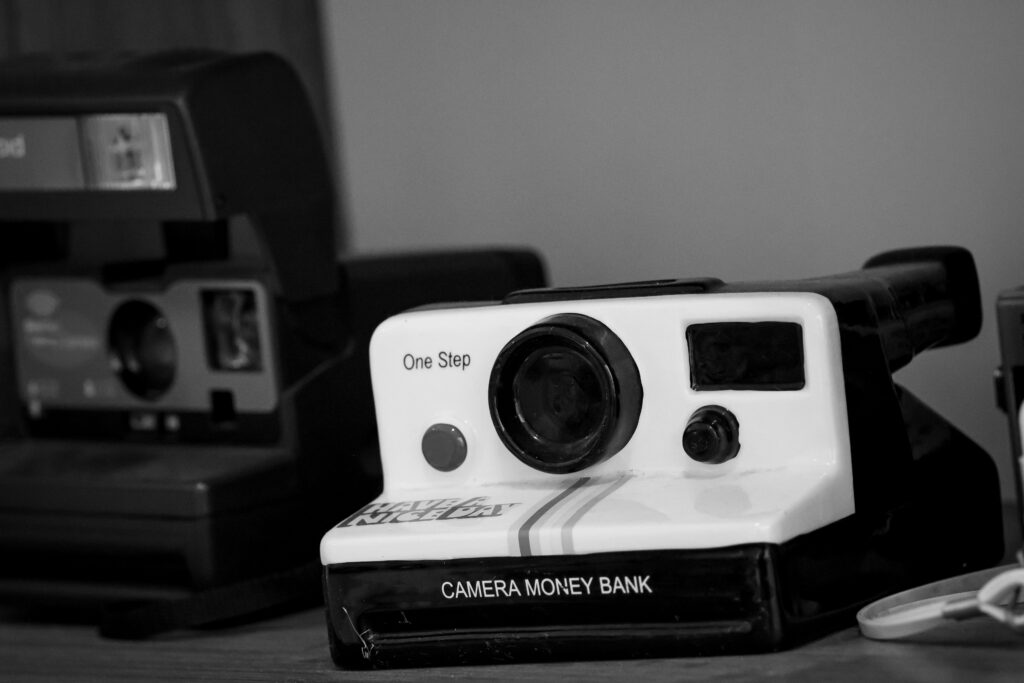
- Client Projects
Corporate shoots, product sessions, branding campaigns.
- Retainer Contracts
Monthly photography services for companies.
- Licensing Images
Businesses pay to use photos for ads and campaigns.
- Event Photography
Conferences, launches, and corporate events.
- Personal Branding Packages
Professionals, coaches, consultants.
Pricing in Business Photography
Prices depend on:
- Experience
- Location
- Usage rights
- Time and complexity
Common Pricing Models
- Per session
- Per image
- Hourly rates
- Package pricing
Professional photographers price for value, not just time.
How Businesses Budget for Photography
Smart businesses allocate photography budgets for:
- Annual brand refresh
- Campaign launches
- Website redesigns
This ensures consistency and long-term growth.
Legal & Copyright Considerations
- Photographer owns copyright unless transferred
- Usage rights must be clear
- Contracts protect both sides
Understanding legal terms avoids future disputes.
Future of Professional & Business Photography
Trends shaping the future:
- Authentic, less-polished images
- Diversity and inclusivity
- AI-assisted editing
- Short-form visual storytelling
The demand for real, human visuals is increasing.
Why Professional Photography Is a Long-Term Asset
Unlike ads that expire, photos:
- Can be reused
- Grow brand value
- Strengthen trust over time
They become visual assets for years.
Professional & Business Photography, Building a Strong Business Image Through Photography
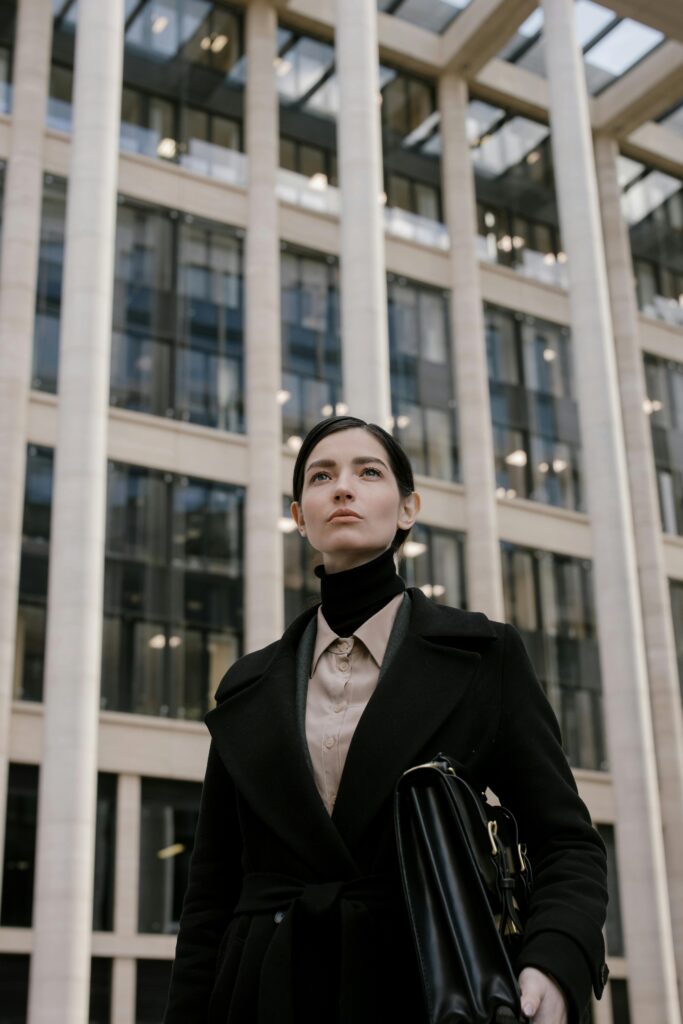
Professional & business photography is not about luxury—it’s about clarity, credibility, and communication. In a competitive market, businesses that invest in strong visuals stand out effortlessly.
Whether you’re a photographer building a career or a business owner shaping a brand, understanding and using professional photography correctly can transform how the world sees you—and how much it trusts you.
Quietly, consistently, and powerfully, photography builds success.
Pingback: Home Workouts - Digital Agency