

How To Weight Gain Naturally and Healthily
Gaining weight sounds simple, right? Just eat more and you’re done. But anyone who has tried to gain weight knows it’s not that easy. If it were, skinny people wouldn’t exist. Weight gain is not about stuffing yourself with junk food or forcing meals down your throat. It’s about understanding your body, feeding it properly, and building habits that  actually work.
How To Weight Gain, This guide will walk you through How To Weight Gain the right way—naturally, healthily, and sustainably.
Understanding Weight Gain
What Does Weight Gain Really Mean?
Weight gain isn’t just about seeing a bigger number on the scale. True, healthy weight gain means adding muscle, strength, and energy, not just fat. Think of your body like a house. You don’t just pile bricks randomly; you build a strong structure.
Healthy Weight Gain vs Unhealthy Weight Gain
 How To Weight Gain, Unhealthy weight gain comes from excess sugar, fried foods, and empty calories. Healthy weight gain comes from balanced meals, strength training, and proper rest. One makes you sluggish; the other makes you stronger.
Common Reasons for Being Underweight
Fast Metabolism
Some people burn calories like a furnace. If you have a fast metabolism, your body uses energy quickly, making it harder to gain weight.
Poor Eating Habits
Skipping meals, eating small portions, or relying on tea and snacks instead of full meals can hold you back.
Stress, Anxiety, and Lifestyle Factors
Stress kills appetite. Busy schedules, late nights, and constant screen time can quietly sabotage your weight gain goals.
Medical and Genetic Factors
In some cases, genetics or health conditions play a role. If weight gain feels impossible, a medical check-up is always a smart move.
How To Weight Gain Naturally: A Deep, Practical, and Sustainable Guide
How To Weight Gain, Weight gain is often misunderstood. People assume it’s easy—just eat more. But for many, gaining weight feels like chasing a shadow. You eat, you try, you hope… and the scale barely moves. If that sounds familiar, you’re not broken. You’re just missing the right strategy.
Healthy weight gain is not about force-feeding yourself or relying on junk food. It’s about alignment—aligning your diet, metabolism, lifestyle, mindset, and habits so your body finally feels safe enough to grow.
Let’s break it all down—slowly, clearly, and honestly.
Why Weight Gain Is Difficult for Some People
Some bodies resist weight gain not because of weakness, but because they are efficient. A fast metabolism, high daily  activity, stress hormones, poor digestion, irregular eating, and lack of recovery can all work silently against you.
How To Weight Gain,Think of your body like a business.
If money (calories) is coming in but expenses (burn + stress) are too high, savings (weight) never increase.
The Real Foundation of Weight Gain (Most People Miss This)
How To Weight Gain, Before food, before workouts, before supplements—your nervous system matters.
If your body is constantly stressed:
-
Cortisol stays high
-
Appetite drops
-
Digestion slows
-
Muscle growth pauses
👉 First solution:
Create calm. Regular meals. Adequate sleep. Less overthinking. A body that feels safe will grow.
Solution 1: Eat With Structure, Not Random Hunger
How To Weight Gain, Most underweight people eat reactively, not intentionally.
Power Tip
Stop waiting to feel hungry. Hunger is unreliable for weight gain.
What to Do Instead
-
Eat every 2.5–3 hours
-
Eat by the clock, not appetite
-
Treat meals like appointments
Even small meals, done consistently, add up massively over time.
Solution 2: Increase Calories Without Increasing Volume
If big meals make you feel uncomfortable, stop forcing them.
Smart Calorie Boosters
-
Add oil or ghee to cooked food
-
Use nut butter in smoothies
-
Add seeds to rice, oats, yogurt
-
Drink calories when chewing feels hard
Liquid calories digest faster and feel lighter.
Solution 3: Fix Digestion Before Adding More Food
Poor digestion = poor weight gain.
Signs Digestion Is Weak
-
Bloating
-
Gas
-
Feeling full too fast
-
Irregular stools
Digestive Solutions
-
Eat slowly (chew properly)
-
Avoid ice-cold drinks with meals
-
Add ginger, cumin, or fennel
-
Walk for 5–10 minutes after meals
A body that digests well absorbs more—even from the same food.
Solution 4: Protein Is Important, But Timing Matters More
Many people focus on how much protein, but ignore when, How To Weight Gain.
Better Strategy, How To Weight Gain.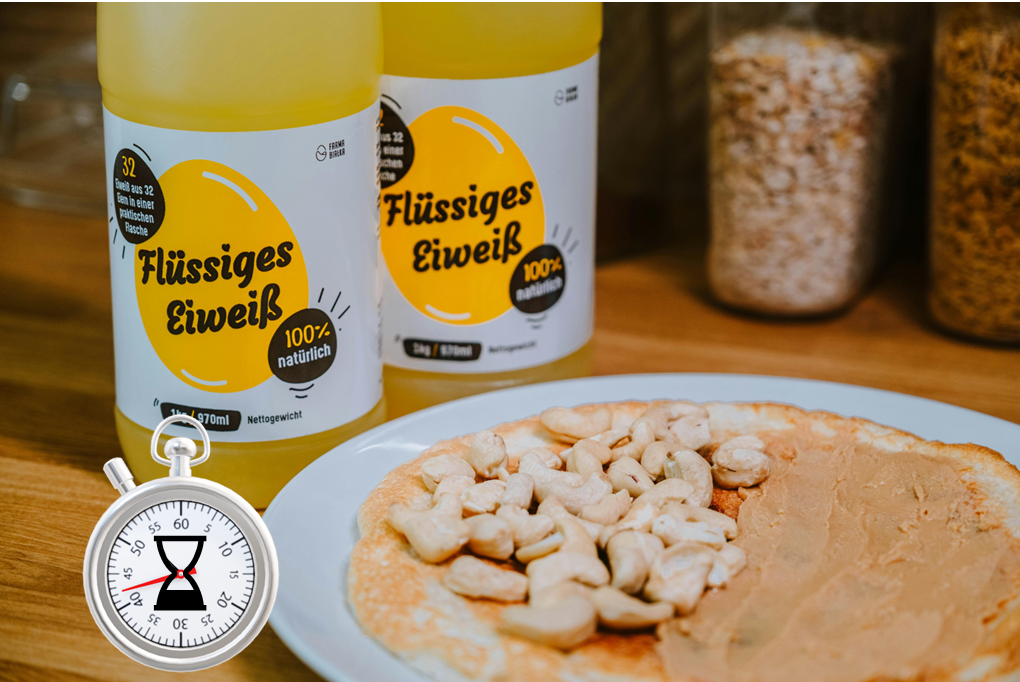
-
Spread protein across the day
-
Add protein in breakfast (most skip this)
-
Eat protein after workouts
-
Include protein before bed (milk, yogurt, paneer)
Muscle growth loves consistency, not protein overload.
Solution 5: Train to Signal Growth, Not Exhaustion
Cardio-heavy routines burn calories.
Endless workouts increase stress.
You want growth signals, not survival signals.
Best Training Style for Weight Gain
-
Strength training 3–4 days/week
-
Short workouts (45–60 minutes)
-
Heavy, compound movements
-
Rest between sets
Your goal is to tell your body:
👉 “We need to grow stronger.”
Solution 6: Rest Is Not Optional—It’s Required
How To Weight Gain, Muscle is built during recovery, not effort.
Sleep Tips for Weight Gain
-
Sleep 7–9 hours daily
-
Sleep at consistent times
-
Avoid screens before bed
-
Eat a calming evening meal
No sleep = no growth. Period.
Solution 7: Stop Comparing Your Body to Others
Comparison creates stress. Stress blocks growth.
Your body has:
-
Its own timeline
-
Its own rhythm
-
Its own potential
Progress that looks slow is still progress.
How To Gain Weight Naturally: A Deep, Practical Roadmap With a 7-Day & 30-Day Meal Plan and Home Workout Strategy
How To Weight Gain, Gaining weight is often treated like a simple numbers game—eat more calories, gain more weight. In reality, weight gain is a biological conversation between your body and your habits. If your body does not trust the environment you are creating—irregular meals, stress, poor sleep, random workouts—it will resist growth no matter  how much you eat.
Healthy weight gain is not aggressive.
It is supportive, patient, and structured.
This guide focuses on building an environment where your body wants to gain weight.
Why Many People Fail at Weight Gain (Even After Trying Hard)
Most failures come from:
-
Eating without timing
-
Forcing large meals suddenly
-
Ignoring digestion
-
Training without recovery
-
Expecting fast results
Your body is intelligent. When it senses chaos, it prioritizes survival—not growth.
The First Principle of Weight Gain: Predictability
Your body gains weight when it can predict:
-
When food is coming
-
When rest is coming
-
When effort is required
-
When recovery is allowed
Predictability reduces stress hormones and improves nutrient absorption.
Step One: Build a Daily Eating Rhythm
How To Weight Gain, Forget hunger signals for now.
Hunger is often unreliable in underweight individuals.
Rule
Small, repeated nourishment teaches your body that food is abundant.
Step Two: Eat Foods That Stay Longer in the Body
Some foods pass quickly through digestion. Others stay, nourish, and build.
Weight-Gain Friendly Foods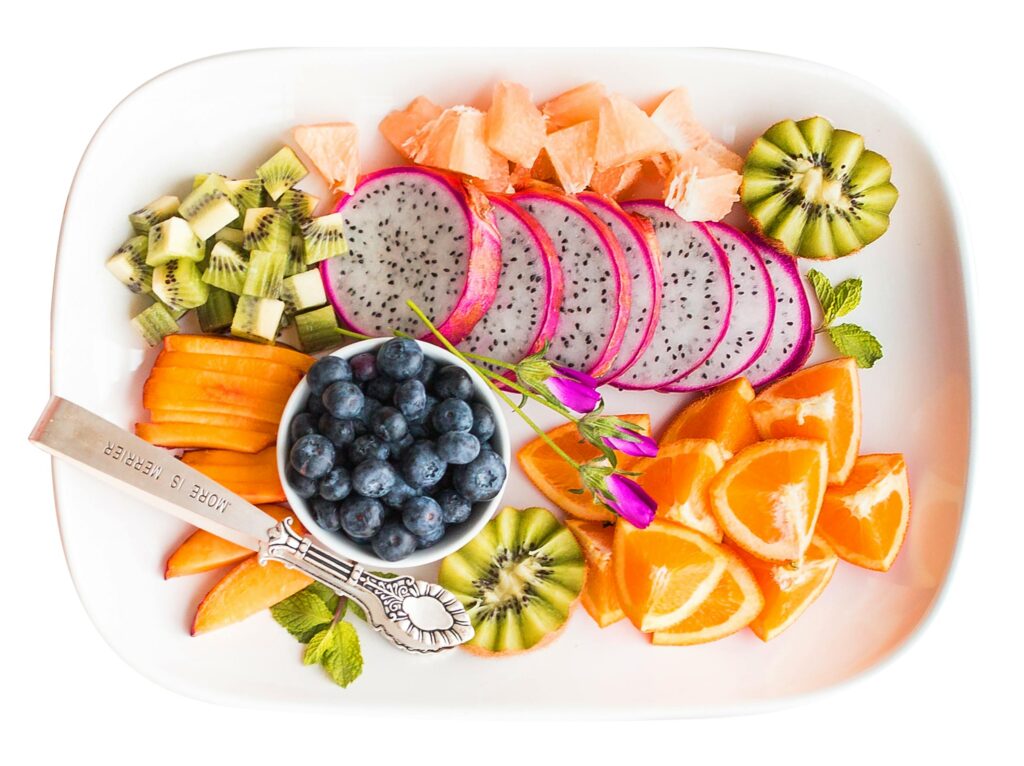
-
Cooked grains
-
Warm meals
-
Healthy fats
-
Soft proteins
-
Blended foods
Avoid relying on dry, cold, or highly processed items.
7-DAY WEIGHT GAIN MEAL PLAN (DIGESTION-FRIENDLY & BALANCED)
This plan focuses on comfort, consistency, and absorption, not force.
How To Weight Gain, DAY 1
Morning Starter:
Warm water + a few soaked nuts
Breakfast:
Milk-based porridge with banana and seeds
Mid-Morning:
Fruit smoothie with milk
Lunch:
Rice, lentils, vegetables, yogurt
Evening Snack:
Bread with nut spread
Dinner:
Soft cooked vegetables with protein and grains
Night:
Warm milk
DAY 2
Breakfast:
Eggs or paneer with toast and fruit
Snack:
Yogurt with honey
Lunch:
Rice, beans, vegetables, added fat
Snack:
Boiled potato or corn
Dinner:
Light protein with grains
DAY 3
Breakfast:
Smoothie bowl with nuts
Snack:
Fruit + seeds
Lunch:
Grains, lentils, vegetables
Snack:
Homemade snack balls
Dinner:
Balanced warm meal
DAY 4
Repeat Day 1 with slightly larger portions.
DAY 5
Repeat Day 2 with added healthy fats.
DAY 6
Repeat Day 3 with one extra snack.
DAY 7
Eat freely using combinations from all previous days, How To Weight Gain.
Purpose of the 7-Day Plan
-
Improve appetite
-
Reduce digestive discomfort
-
Create consistency
-
Prepare the body for higher intake
30-DAY WEIGHT GAIN MEAL PLAN (PROGRESSIVE & SUSTAINABLE)
Instead of listing 30 identical days, this plan grows week by week, which is how real bodies adapt.
WEEK 1: Stabilization Phase
Focus:
-
Meal timing
-
Gentle portions
-
Regular digestion
No forcing. No stress.
WEEK 2: Expansion Phase
Add:
-
Extra spoon of fat per main meal
-
One additional smoothie daily
-
Slightly larger breakfasts
Calories increase without increasing discomfort.
WEEK 3: Muscle Support Phase
Shift focus to:
-
Protein at every meal
-
Post-workout nutrition
-
Evening nourishment
Your body begins to redirect calories toward tissue building.
WEEK 4: Consolidation Phase
This is where:
-
Appetite improves
-
Weight changes become visible
-
Energy levels stabilize
Consistency matters more than variety here.
How to Modify the Plan If Progress Slows
-
Add calories through liquids
-
Reduce unnecessary movement
-
Improve sleep quality
-
Stay patient
HOME WORKOUT PLAN FOR WEIGHT GAIN (NO EQUIPMENT)
How To Weight Gain, Exercise is not for burning calories here.
It is a signal telling your body to build.
Training Frequency
3–4 days per week is ideal.
More is not better.

DAY A: Upper Body Focus
-
Slow push-ups
-
Wall push-ups
-
Chair dips
-
Arm holds
Rest well between sets.
DAY B: Lower Body Focus
-
Squats
-
Lunges
-
Glute bridges
-
Calf raises
Lower-body exercises strongly stimulate growth hormones.
DAY C: Full Body Activation
-
Squats
-
Push-ups
-
Plank holds
-
Step-ups
Keep movements controlled and calm.
Workout Rules
-
Never rush repetitions
-
Stop before exhaustion
-
Focus on muscle tension
-
Rest generously
Post-Workout Nutrition (Very Important)
Within 30–60 minutes:
-
Milk or yogurt
-
Fruit
-
Nuts or grains
This is when your body is most receptive.
Lifestyle Habits That Quietly Increase Weight
Sleep
Deep sleep supports tissue repair.
Calm Eating
Eat without distractions when possible.
Mental Safety
A calm mind improves appetite more than any supplement.
Why Patience Is a Weight-Gain Tool
How To Weight Gain, Weight gain often happens invisibly before it becomes visible.
Energy improves first.
Sleep improves next.
Weight follows later.
Do not quit during the invisible phase.
Advanced Weight Gain Tips Most Blogs Don’t Tell You
Tip 1: Track Energy, Not Just Weight, How To Weight Gain
If energy improves, weight will follow.
Tip 2: Warm Foods Aid Weight Gain
Warm meals digest better than cold foods.
Tip 3: Morning Nutrition Sets the Tone
Skipping breakfast slows weight gain dramatically.
Tip 4: Emotional Eating Blocks Physical Growth
Unresolved emotions suppress appetite and digestion.
Tip 5: Consistency Beats Perfect Diets
A simple diet done daily beats a perfect plan done rarely.
Weight Gain for Hard Gainers (Very Important Section)
If you’ve tried everything and still struggle, focus on:
-
Fewer food rules
-
More routine
-
Less overtraining
-
More recovery
-
Better digestion
Sometimes weight gain happens when you stop fighting your body and start supporting it.
Long-Term Weight Gain Is a Lifestyle Shift
Weight gain isn’t a 30-day challenge, How To Weight Gain.
It’s a quiet, daily practice.
Small meals.
Regular sleep.
Gentle strength.
Calm mind.
Do this long enough, and your body responds naturally.
Final Thoughts
Healthy weight gain is not about excess.
It’s about support.
Support your digestion.
Support your nervous system.
Support your recovery.
When your body feels supported, growth becomes a natural outcome—not a struggle.
How To Weight Gain Naturally: A Complete Step-By-Step Guide With a Detailed Meal Plan
How To Weight Gain, Gaining weight is not about eating endlessly or forcing food when your body resists. Real, healthy weight gain happens when your body feels nourished, supported, relaxed, and consistent. Many people struggle because they focus only on food quantity while ignoring digestion, routine, timing, and recovery.
This guide takes a step-by-step approach, helping you understand what to eat, when to eat, how to eat, and why it works—so your body finally cooperates.
Step 1: Prepare Your Body for Weight Gain (Very Important)
Before increasing food, your body must be ready to accept it.
Why This Step Matters
How To Weight Gain, If digestion is weak or stress is high, extra food won’t turn into weight—it turns into bloating, discomfort, or fatigue.
Preparation Checklist
-
Sleep at least 7–8 hours
-
Eat meals at fixed times
-
Drink warm water in the morning
-
Avoid skipping breakfast
-
Reduce excessive cardio or overtraining
👉 Think of this as warming up the engine before driving faster.
Step 2: Understand Meal Timing (Timing Beats Quantity)
Your body loves rhythm. When you eat at regular intervals, it learns to expect food and increases appetite naturally.
Golden Rule
Eat every 2.5–3 hours, even if the meal is small.
Instead of 3 heavy meals, aim for 5–6 nourishing meals spread throughout the day.
Step 3: Build Calories Slowly (Do Not Rush This)
Many people fail because they jump from low eating to extreme eating overnight.
Smart Strategy
-
Week 1: Add +300 calories/day
-
Week 2: Add +400–500 calories/day
-
Adjust based on progress
Slow increases reduce digestive stress and improve consistency.
Step-By-Step Daily Weight Gain Meal Plan (Detailed)
This meal plan is flexible, adjustable, and built for natural weight gain—not junk-food bloating.
Early Morning (Upon Waking Up)
Purpose
How To Weight Gain, Activate digestion and prepare the stomach.
What to Consume
-
1 glass warm milk or warm water
-
2 soaked almonds
-
1 soaked raisin or date
Why it works:
This gently wakes up your digestive system and supplies early energy without heaviness.
Breakfast (Most Important Meal for Weight Gain)
Option 1
-
Oats cooked in milk
-
1 banana
-
1 spoon peanut butter
-
A few chopped nuts
Option 2
-
2 whole eggs or paneer
-
Whole-grain toast
-
Fruit on the side
Why breakfast matters:
Skipping breakfast tells your body to conserve energy, not build mass.
Mid-Morning Snack
Purpose
Prevent calorie gaps and stabilize energy.
What to Eat
-
Fruit smoothie (banana + milk + nuts)
-
OR yogurt with seeds and honey
Tip:
Liquid calories digest faster and are excellent for hard gainers.
Lunch (Main Fuel Meal)
Ideal Plate Structure
-
Rice or roti (carbohydrates)
-
Lentils, beans, chicken, fish, or paneer (protein)
-
Vegetables (digestion + micronutrients)
-
Curd or yogurt
Extra Calorie Tip
Add 1 spoon of ghee or olive oil to your meal.
Why this works:
Balanced meals convert more efficiently into muscle and body mass.
Post-Lunch Relaxation (Often Ignored)
Do not lie down immediately.
Best Practice
-
Sit calmly or walk lightly for 5–10 minutes
This improves nutrient absorption and prevents bloating.
Evening Snack
Purpose
Prevent muscle breakdown and energy crashes.
Options
-
Roasted nuts and seeds
-
Sandwich with protein filling
-
Homemade energy balls (oats + nuts + dates)
Avoid: Tea or coffee on an empty stomach—it suppresses appetite.
Dinner (Light but Nourishing)
What Dinner Should Be
-
Roti or rice
-
Vegetables
-
Protein source
-
Minimal oil
Dinner should support recovery, not overload digestion.
Before Bed (Secret Weight Gain Window)
What to Consume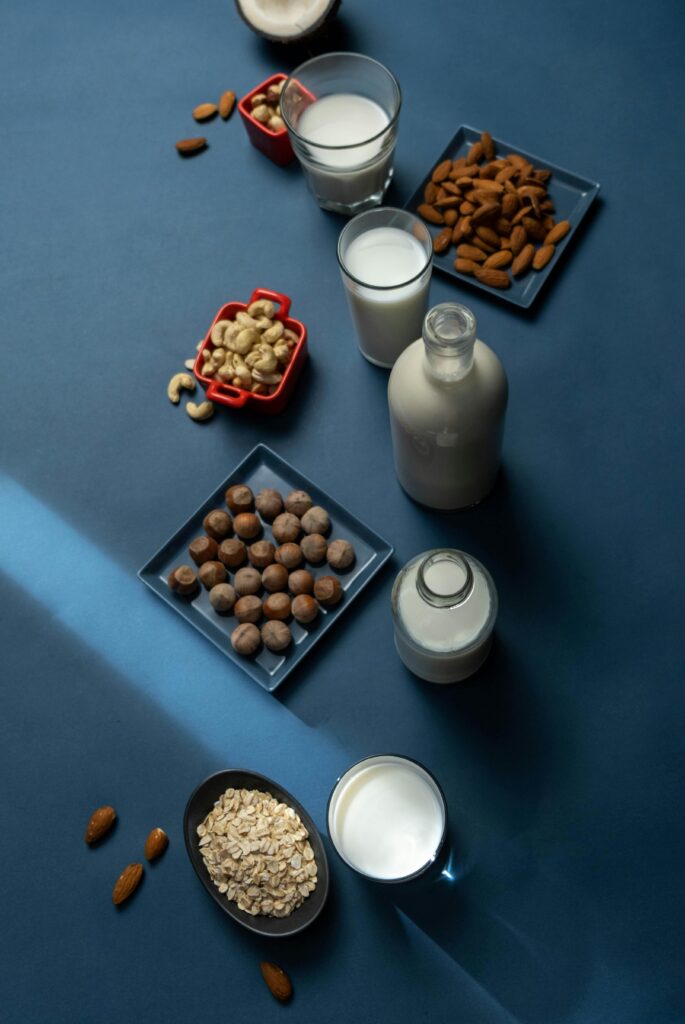
-
Warm milk
-
Or yogurt with nuts
-
Or paneer
Why this matters:
Nighttime nutrition supports muscle repair and hormonal balance.
Step 4: Strength Training to Convert Food Into Muscle
Food alone can increase weight—but training decides quality.
Best Exercises
-
Squats
-
Push-ups
-
Pull-ups
-
Lunges
-
Resistance training
Beginner Routine
-
3–4 days per week
-
45–60 minutes
-
Focus on slow, controlled movements
Muscle growth sends a signal to your body to store calories, not waste them.
Step 5: Sleep, Recovery, and Hormones

Sleep regulates:
-
Appetite hormones
-
Muscle recovery
-
Stress levels
Sleep Rules
-
Sleep before midnight
-
Keep consistent sleep times
-
Avoid screens before bed
Poor sleep can cancel out even the best meal plan.
Common Weight Gain Problems & Solutions
Problem: Eating More but No Weight Gain

✔ Increase calorie density
✔ Reduce stress
✔ Improve digestion
Problem: Bloating
✔ Eat slower
✔ Reduce cold foods
✔ Avoid overeating in one sitting
Problem: Low Appetit
✔ Fixed meal timing
✔ Liquid meals
✔ Gentle exercise
Mindset Shift That Changes Everything
How To Weight Gain, Weight gain is not about force.
It’s about cooperation with your body.
When you eat calmly, train wisely, sleep deeply, and stay consistent, your body responds naturally.
The Science Behind Weight Gain
Calories Explained Simply
Calories are just units of energy. Your body needs them to function, move, and grow.
Calorie Surplus – The Golden Rule
To gain weight, you must eat more calories than your body burns. No surplus, no gain. Simple math.
How Much Surplus Do You Need?
A surplus of 300–500 calories per day is ideal for clean weight gain. More isn’t always better.
Setting Realistic Weight Gain Goals
Ideal Weight Gain Per Month
Gaining 1–2 kg per month is healthy and realistic. Anything faster often means fat gain.
Why Slow and Steady Wins
Rapid weight gain rarely lasts. Slow progress builds habits that stick.
Best Foods for Healthy Weight Gain
High-Calorie Nutrient-Dense Foods
-
Rice
-
Potatoes
-
Oats
-
Whole grains
-
Bananas
Healthy Fats That Help You Gain
How To Weight Gain, Fats are calorie-dense and your best friend:
-
Nuts and nut butter
-
Seeds
-
Olive oil
-
Avocados
Protein-Rich Foods for Muscle Growth
Protein repairs and builds muscle:
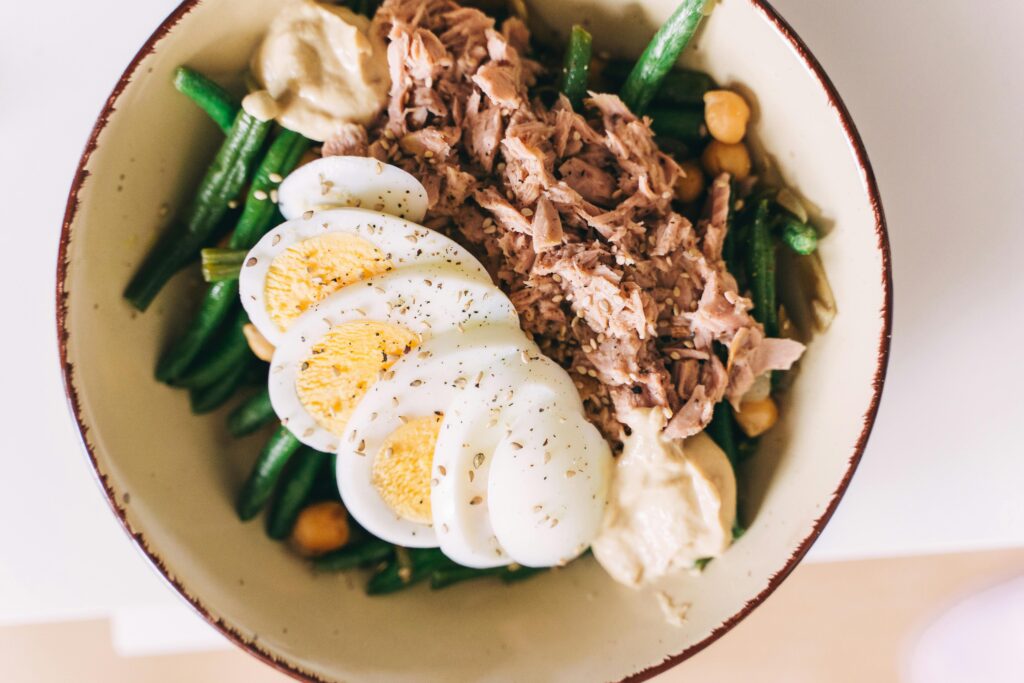
-
Eggs
-
Milk and yogurt
-
Paneer
-
Lentils
-
Chicken and fish
Carbohydrates That Fuel Weight Gain
Carbs give energy and support workouts:
-
Rice
-
Pasta
-
Bread
-
Fruits
Weight Gain Diet Plan Basics
How Many Meals Should You Eat?
Aim for 5–6 meals a day. Smaller, frequent meals are easier to manage, How To Weight Gain.
Sample Daily Weight Gain Meal Plan
-
Morning: Milk + banana + nuts
-
Breakfast: Oats with peanut butter
-
Lunch: Rice, dal, vegetables, curd
-
Snack: Fruit smoothie
-
Dinner: Roti, vegetables, protein
-
Before Bed: Warm milk
Importance of Protein in Weight Gain
How Much Protein Do You Need?
Around 1.6–2 grams per kg of body weight is ideal for muscle gain.
Animal vs Plant Protein
Both work. Choose what fits your lifestyle and digestion.
Strength Training for Weight Gain
Why Exercise Is Important
Exercise signals your body to turn food into muscle, not fat.
Best Exercises for Weight Gain
-
Squats
-
Push-ups
-
Pull-ups
-
Deadlifts
-
Bench press
Beginner Workout Routine
Train 3–4 days a week. Focus on compound movements and progressive overload.
Role of Rest and Sleep
Muscle Growth Happens During Rest
You don’t grow muscles in the gym. You grow them while resting.
How Sleep Affects Weight Gain
7–9 hours of sleep balances hormones and improves appetite.
Weight Gain Supplements – Do You Need Them?
Protein Powders
How To Weight Gain, Helpful, but not mandatory.
Mass Gainers
High in calories, but whole foods are better long-term.
Natural Alternatives
Homemade smoothies often work better than supplements.
Common Mistakes to Avoid
Eating Junk Food Only
Calories matter, but quality matters more.
Skipping Strength Training
Without exercise, weight gain becomes fat gain.
Being Inconsistent
Consistency beats perfection every time.
Weight Gain for Different Age Groups
Weight Gain for Teens
Focus on nutrition, not supplements.
Weight Gain for Adults
Balance work, workouts, and meals.
Weight Gain After 30
How To Weight Gain, Recovery and sleep become even more important.
Weight Gain for Men and Women
Male Weight Gain Tips
Focus on muscle-building and heavy lifting.
Female Weight Gain Tips
Don’t fear weights; they shape, not bulk.
Mental and Emotional Side of Weight Gain,How To Weight Gain

Body Image and Confidence
Your worth is not defined by a number on the scale.
Staying Motivated
Progress takes time. Celebrate small wins.
Tracking Your Progress
Measuring Weight Correctly
Adjusting Your Plan
If weight isn’t increasing, eat slightly more.
Long-Term Healthy Weight Maintenance
Making It a Lifestyle
Weight gain isn’t a phase; it’s a habit.
Avoiding Weight Loss Again
Stick to routines even after reaching your goal.
Conclusion
How To Weight Gain, Healthy weight gain is a gradual transformation, not an overnight change. When you follow a step-by-step plan—supporting digestion, structuring meals, strengthening your body, and honoring rest—you create the perfect environment for growth.
Be patient. Be consistent.
Your body will catch up.
Learning how to weight gain is not about shortcuts, How To Weight Gain. It’s about understanding your body, fueling it correctly, and staying consistent. With the right food, smart training, proper rest, and patience, healthy weight gain is absolutely possible. Treat it like a journey, not a race—and your body will reward you.
Pingback: Don’t Let Anger Overpower You - Digital Agency