
Introduction
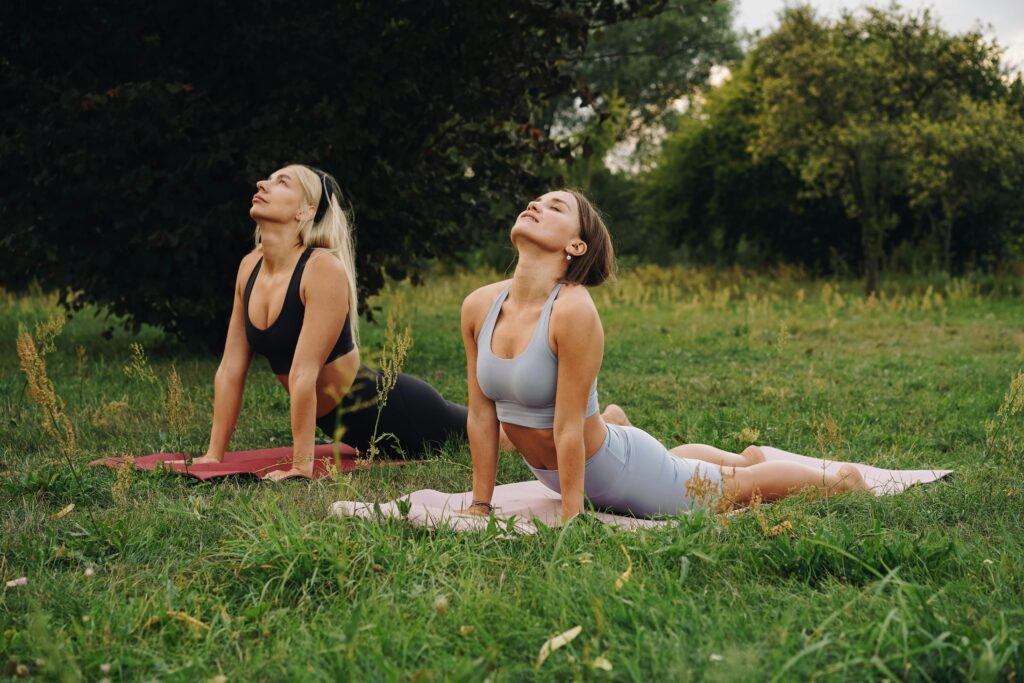
Yoga Poses for Better Sleep, Yoga is such a practice which works like medicine for the body, which makes the body healthy and strong, which becomes a means for us to live a long life, due to which sleep and body remain healthy and good and long sleep is obtained at night, due to which the body feels flexible and light.
Sleep is one of the purest forms of rest and rejuvenation. When we sleep well, our body heals, our mind resets, and our energy is restored. Yet, in modern life, quality sleep is often elusive. The pressures of work, technology, and constant mental engagement have made sleeplessness one of the most common struggles of our time.
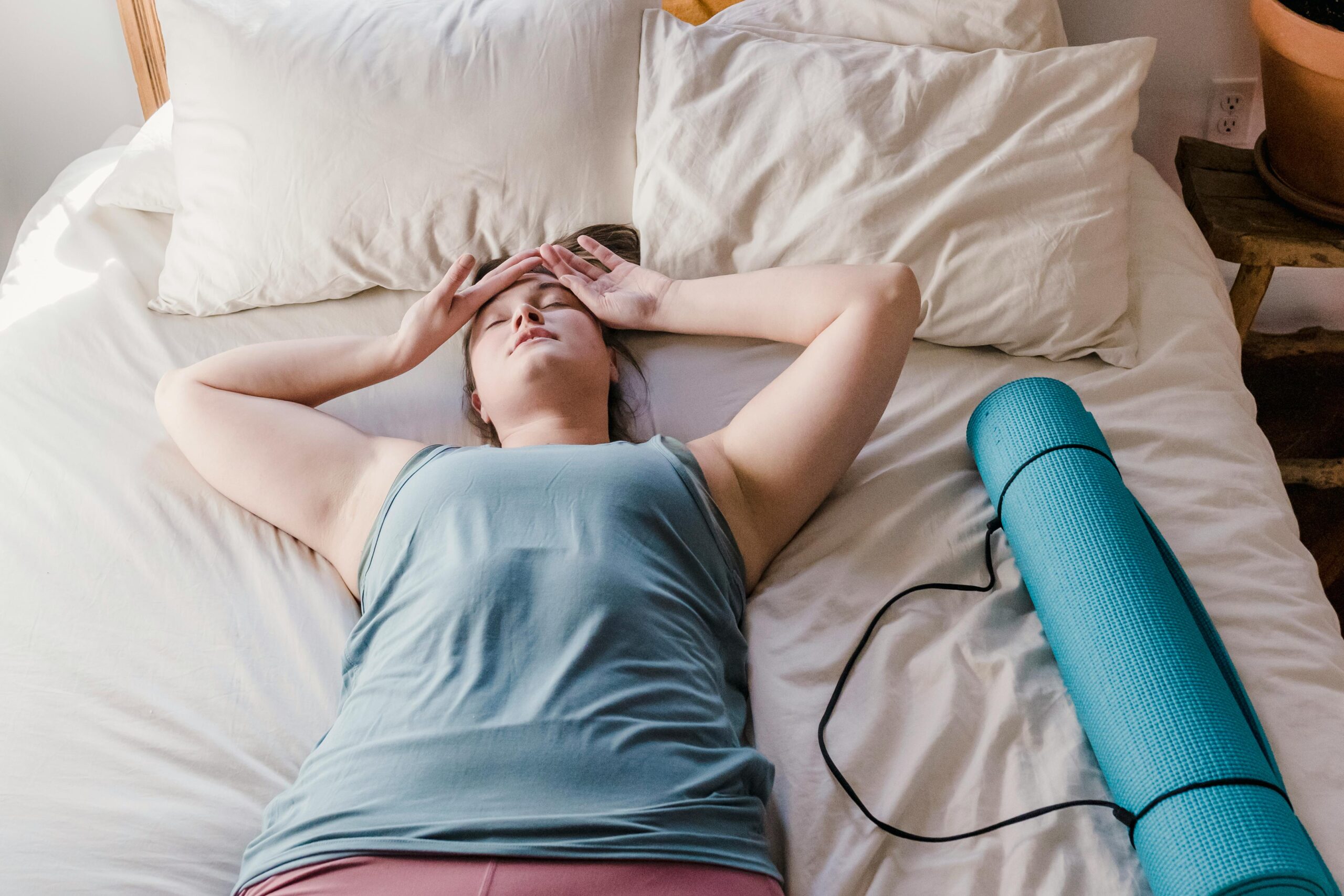
Yoga Poses for Better Sleep, Many people turn to quick fixes like pills or gadgets to help them sleep, but the truth is — lasting rest comes from within. Yoga, an ancient science of balance, offers a natural and holistic way to improve sleep. It soothes both body and mind, helps release stress, and brings a sense of calm that gently guides you into deep sleep.
This comprehensive note explores how yoga enhances sleep quality, which poses are most effective before bedtime, and how small habits can transform your nights into peaceful rest. Whether you are new to yoga or already practicing, these poses and tips can become your nightly ritual of serenity.
1. Understanding the Connection Between Yoga and Sleep
Yoga is more than exercise — it’s a lifestyle that connects movement, breath, and awareness. To understand how it improves sleep, we need to look at the nervous system.
The human body operates mainly under two states:
Yoga Poses for Better Sleep:
-
Sympathetic nervous system — responsible for the “fight or flight” response. It keeps us alert and active.
-
Parasympathetic nervous system — responsible for the “rest and digest” response. It calms the body and restores energy.
In modern living, we often stay stuck in the first state — overstimulated, stressed, and unable to unwind. This constant tension prevents the body from naturally falling asleep.
Yoga reverses this imbalance. Slow, mindful poses and breathing activate the parasympathetic system, slowing the heart rate, calming the mind, and preparing the body for rest.
Simply put: Yoga helps the body remember how to relax.
2. How Yoga Affects Sleep Quality, Yoga Poses for Better Sleep
2.1 Physical Benefits
-
Releases muscle tension: Gentle stretching relaxes the neck, shoulders, and back.
-
Improves circulation: Better blood flow nourishes tissues and promotes relaxation.
-
Regulates hormones: Reduces cortisol (stress hormone) and increases melatonin (sleep hormone).
-
Enhances breathing: Deep, rhythmic breathing helps the body and brain feel safe and calm.
2.2 Mental and Emotional Benefits
-
Reduces anxiety and worry.
-
Encourages mindfulness and presence.
-
Promotes emotional balance.
-
Creates a bedtime ritual that signals “it’s time to rest.”
Yoga doesn’t only help you fall asleep faster; it also improves the quality of your sleep — making it deeper, longer, and more restorative.
3. Preparing for a Bedtime Yoga Practice, Yoga Poses for Better Sleep
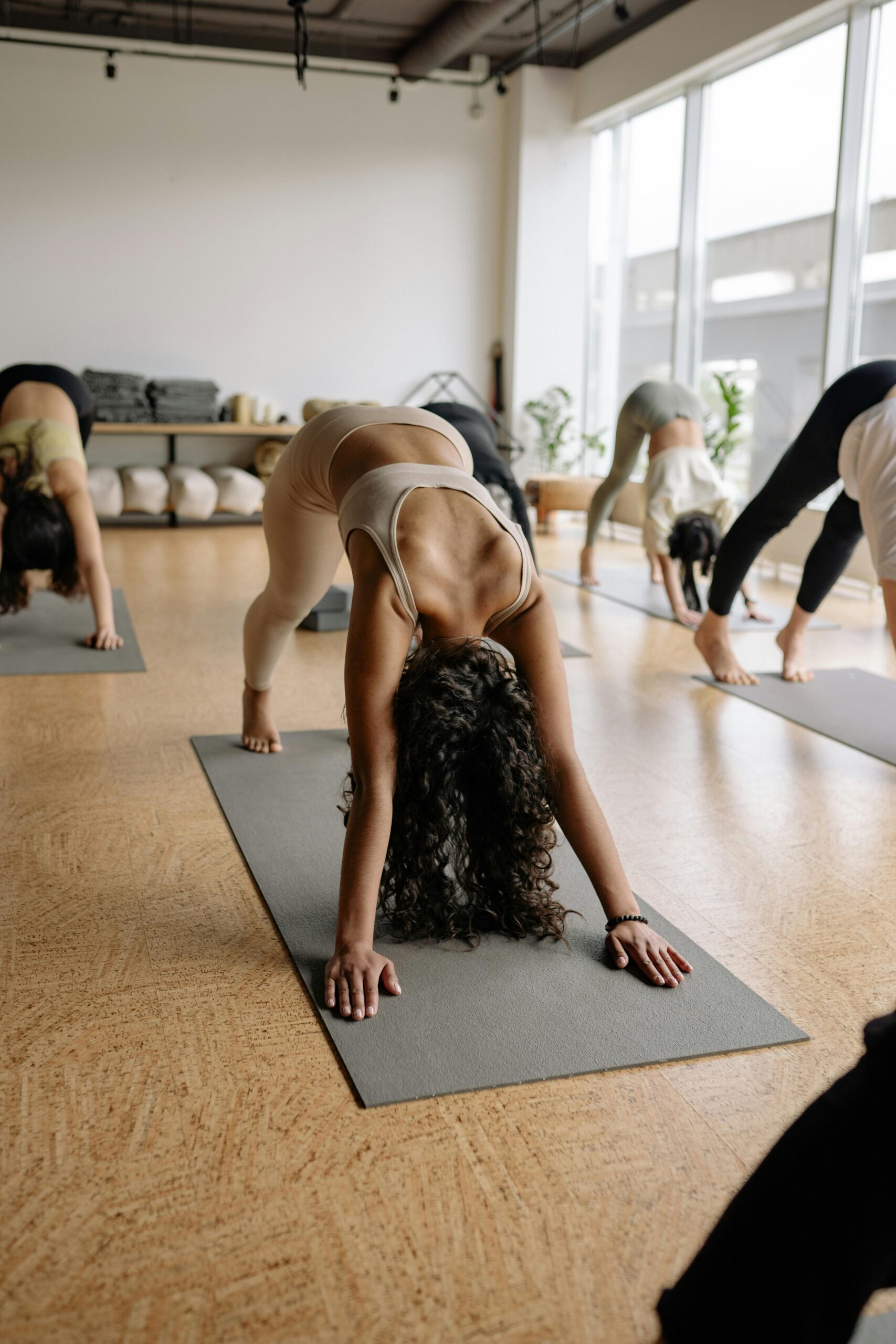
The way you set up your environment influences how deeply you relax. Here’s how to prepare for your nighttime yoga session:
-
Create a peaceful space: Choose a quiet room, dim the lights, and ensure no distractions.
-
Use soft props: Keep a yoga mat, blanket, or pillow for support.
-
Wear loose clothing: Comfort is key.
-
Avoid screens: Stay away from phones or laptops at least 30 minutes before practice.
-
Eat light: A full stomach can make you uncomfortable. Have your last meal two hours before bed.
-
Set an intention: Remind yourself — “This time is for peace and rest.”
4. The Best Yoga Poses for Better Sleep, Yoga Poses for Better Sleep
Below are the most effective yoga poses that prepare your body and mind for sleep. Each pose helps release tension and slow down the nervous system.
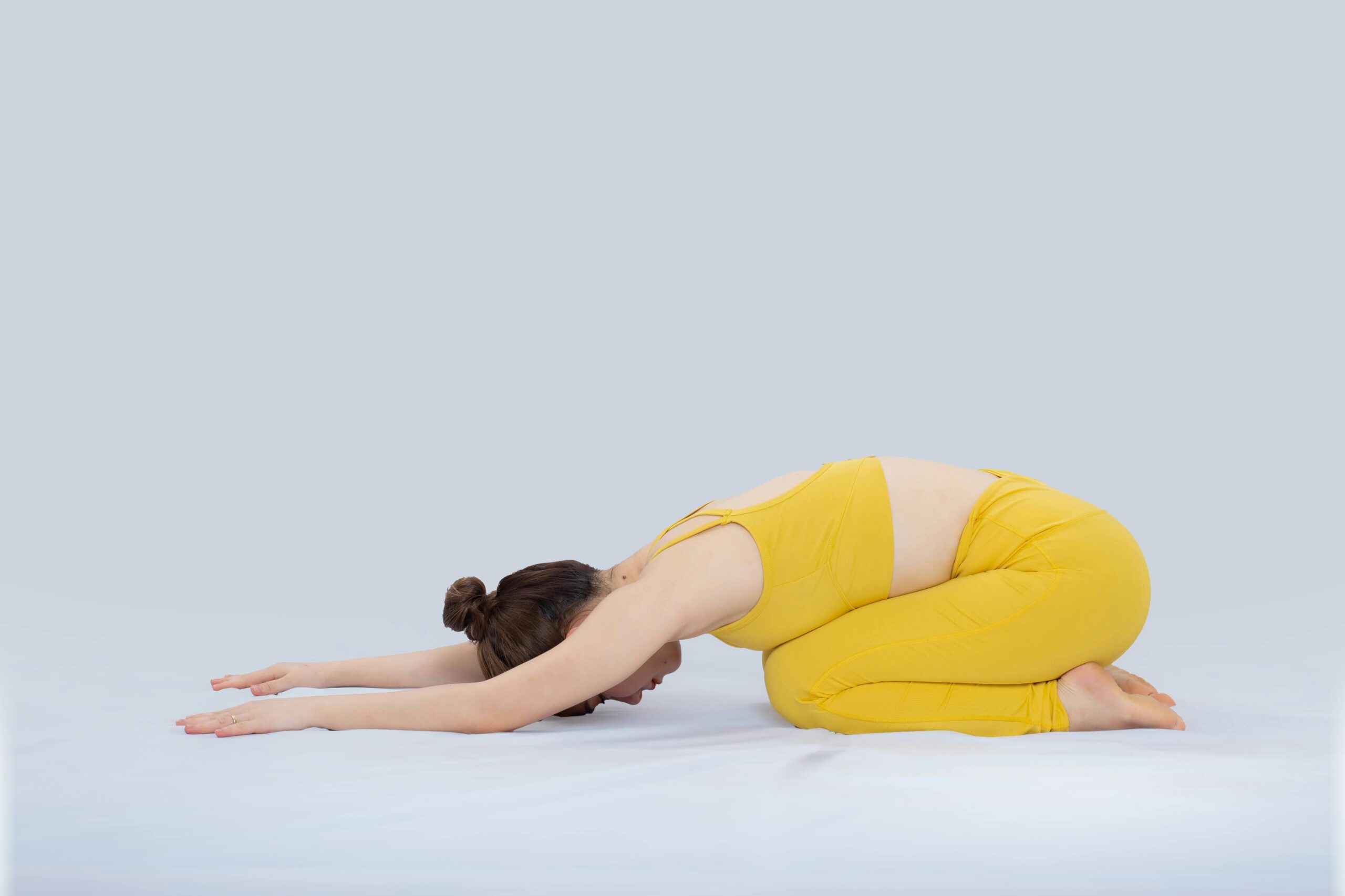
4.1 Balasana (Child’s Pose)
How to do it:
-
Kneel on the mat and sit back on your heels.
-
Spread your knees slightly apart.
-
Bend forward, resting your forehead on the mat.
-
Stretch your arms forward or keep them beside your body.
-
Breathe deeply for 2–3 minutes.
Benefits:
Relieves back and shoulder tension, calms the mind, and brings a feeling of safety. It’s a pose of surrender — perfect for letting go of the day.
Tip: Place a pillow under your chest for extra comfort.
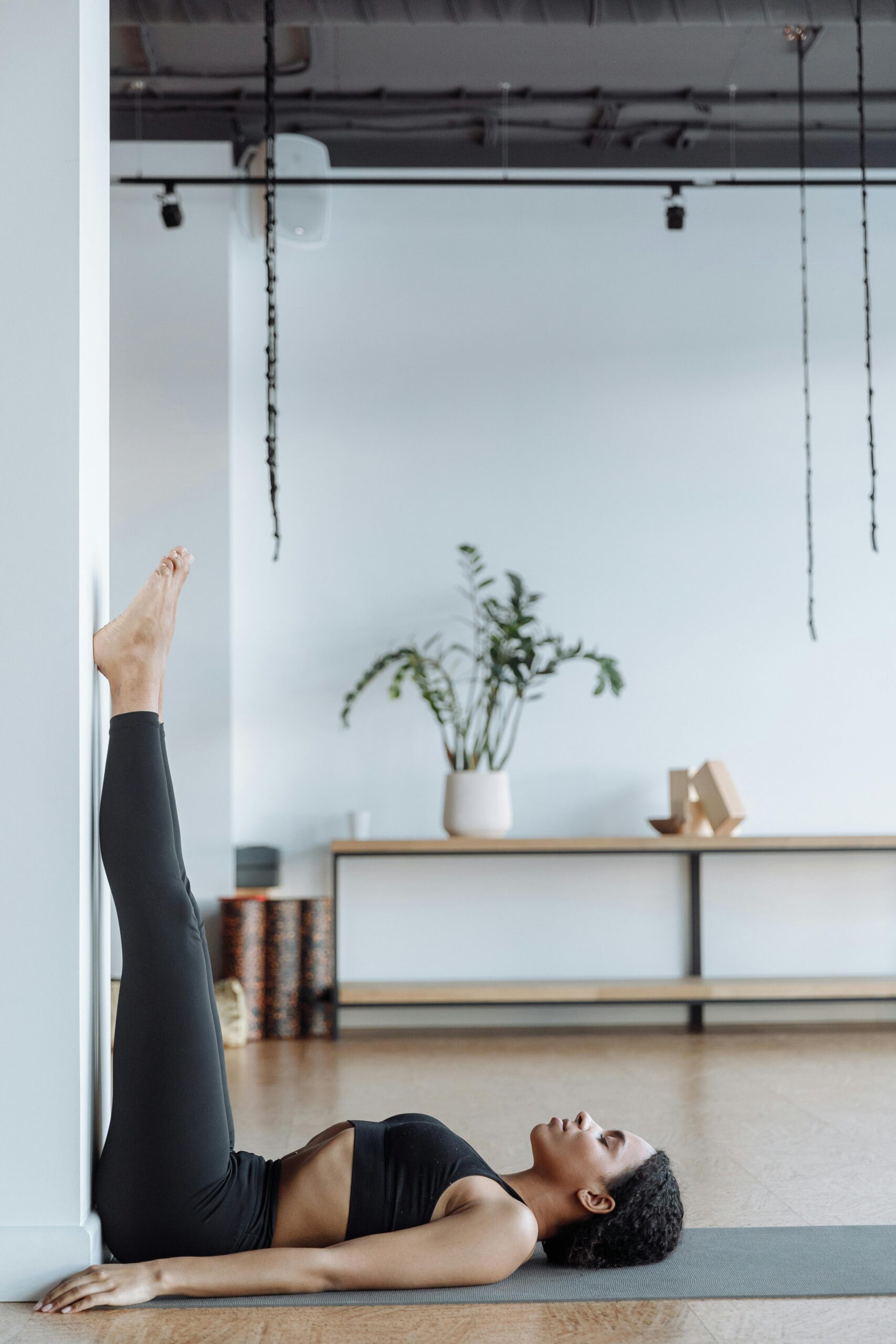
4.2 Viparita Karani (Legs-Up-the-Wall Pose)
How to do it:
-
Sit sideways near a wall.
-
Lie down and swing your legs up, resting them on the wall.
-
Keep your arms by your sides and close your eyes.
-
Stay in this position for 5–10 minutes.
Benefits:
Improves circulation, reduces swelling in the legs, and quiets the heart rate. It’s one of the best poses to reset your nervous system before bed.
Tip: Use a folded blanket under your hips for gentle support.
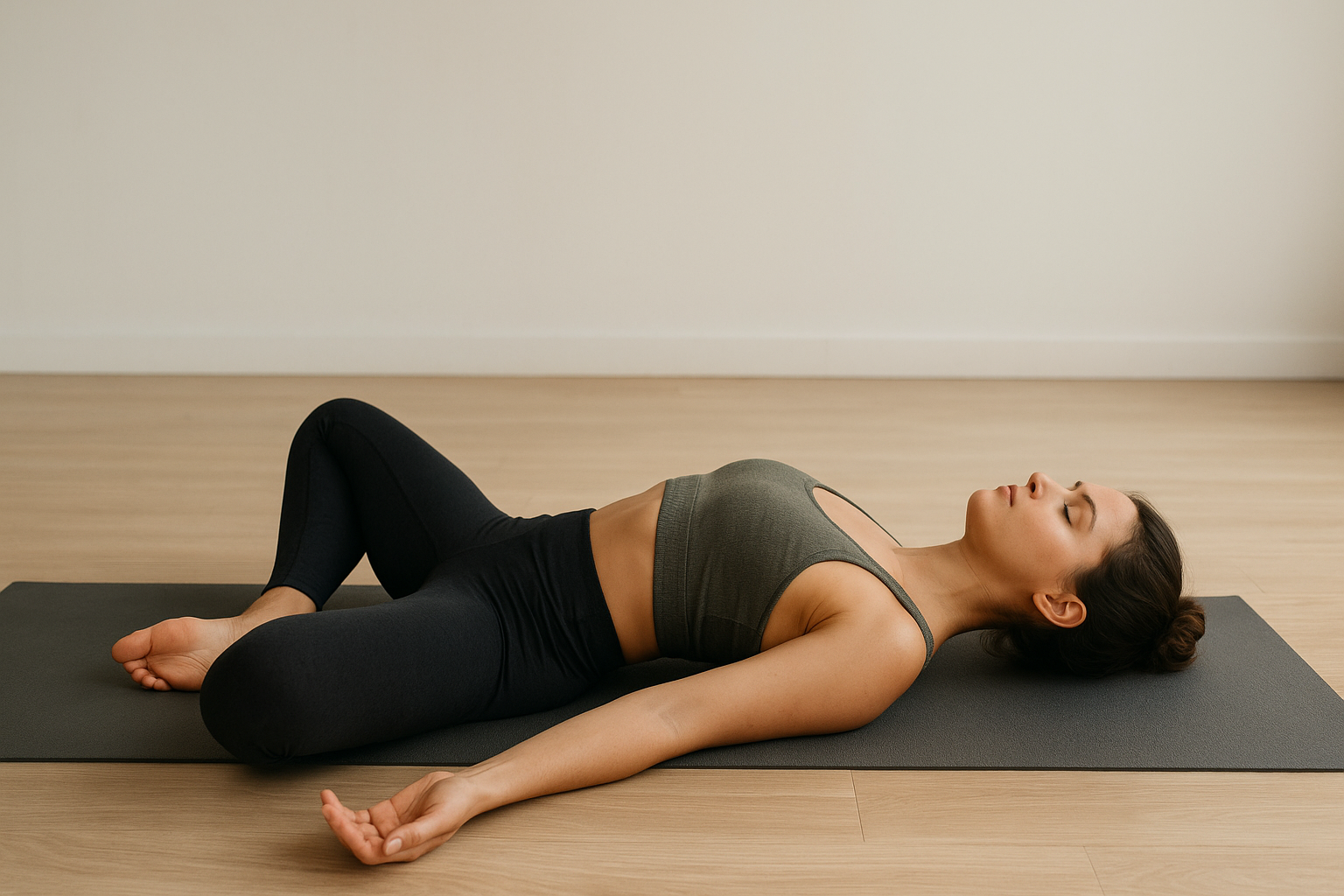
4.3 Supta Baddha Konasana (Reclined Butterfly Pose)
How to do it:
-
Lie on your back and bring the soles of your feet together.
-
Let your knees drop open naturally.
-
Rest your hands on your belly or by your sides.
-
Stay for 3–5 minutes, breathing deeply.
Benefits:
Opens the hips and chest, improves blood flow, and relaxes the abdominal muscles. Emotionally, this pose encourages openness and release.
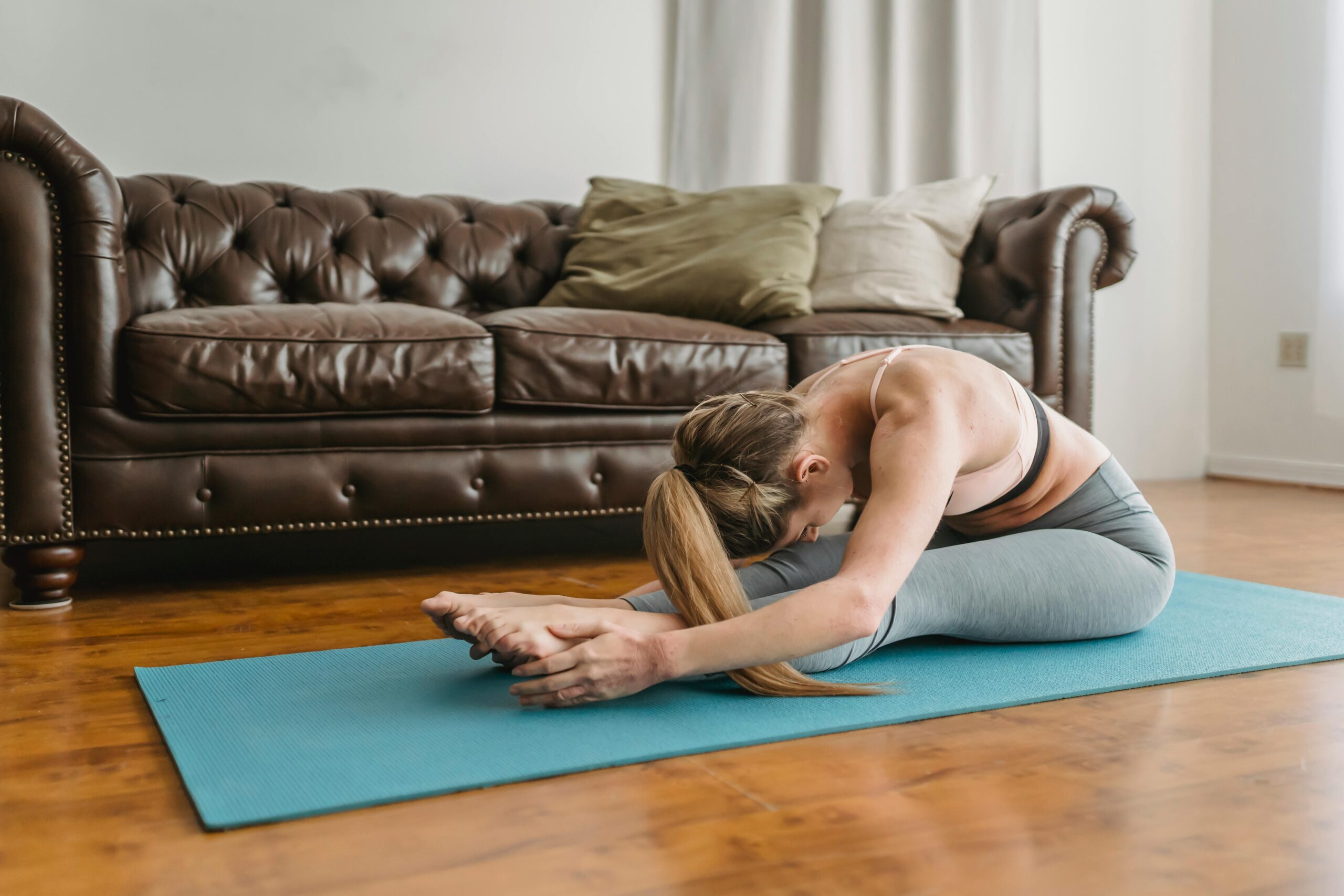
4.4 Paschimottanasana (Seated Forward Fold)
How to do it:
-
Sit with your legs stretched out in front of you.
-
Inhale and lengthen your spine upward.
-
Exhale and bend forward from your hips, reaching toward your feet.
-
Hold for 2–3 minutes, keeping the breath slow.
Benefits:
Calms the brain, relieves stress, and stretches the back muscles. This pose is deeply grounding and helps quiet internal chatter.
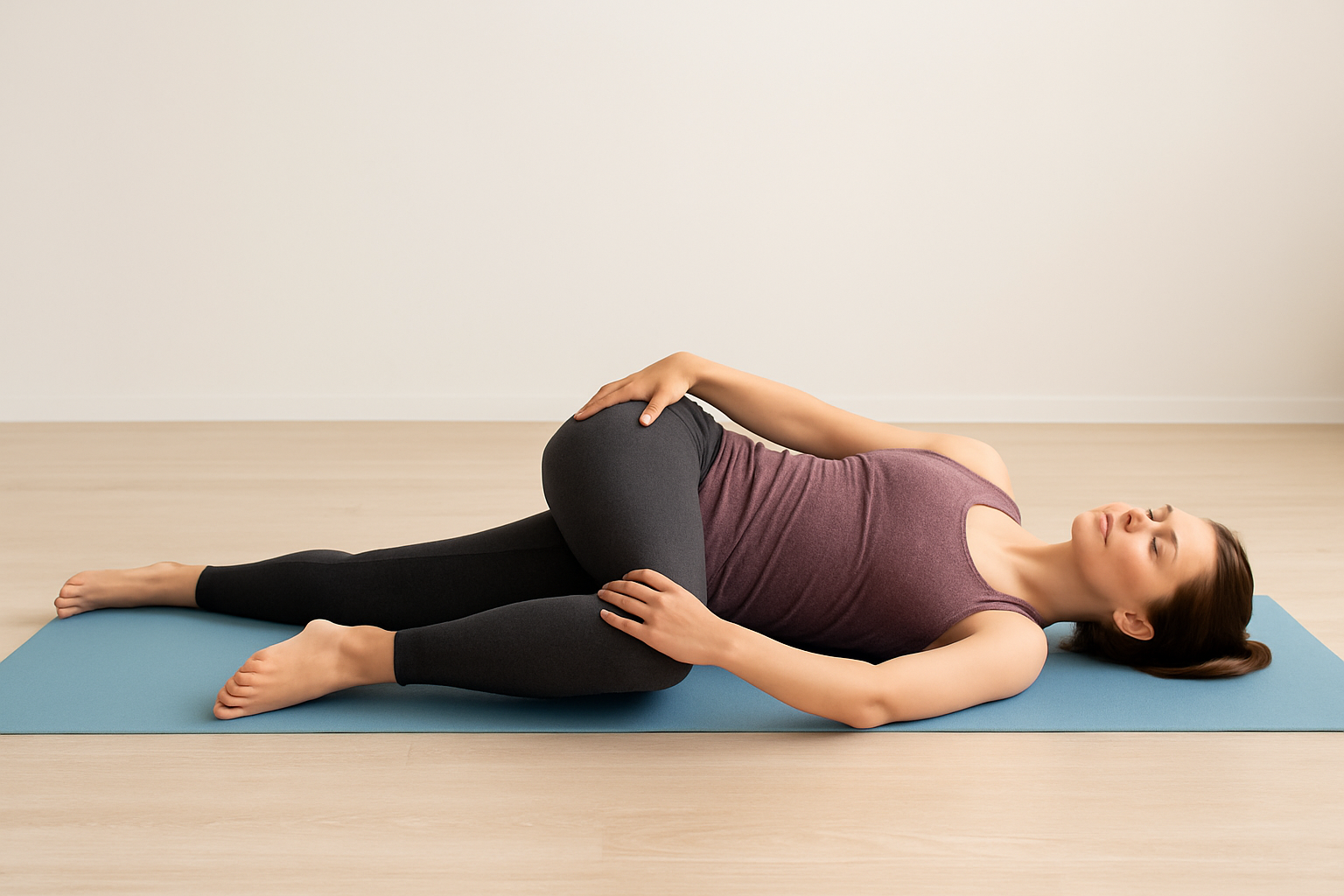
4.5 Supta Matsyendrasana (Reclined Spinal Twist)
How to do it:
-
Lie flat on your back.
-
Bring your right knee toward your chest and gently guide it across your body to the left.
-
Extend your right arm out to the side and gaze toward it.
-
Hold for 2 minutes, then switch sides.
Benefits:
Releases tension from the spine and organs, aids digestion, and detoxifies the body. A gentle twist before bed helps the body feel light and free.
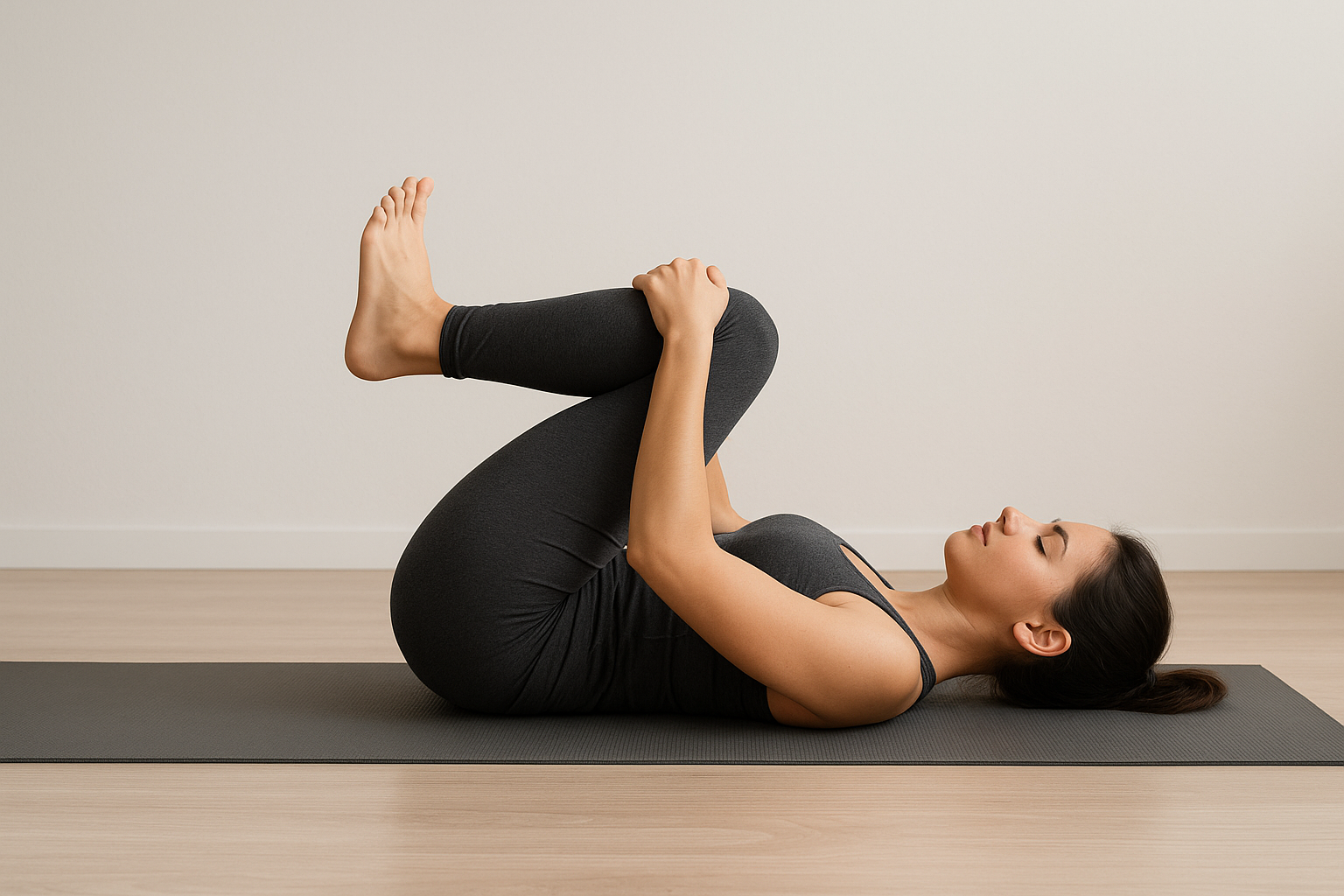
4.6 Ananda Balasana (Happy Baby Pose)
How to do it:
-
Lie on your back and bend your knees toward your chest.
-
Hold the outer edges of your feet with your hands.
-
Keep your knees bent at 90 degrees.
-
Gently rock from side to side.
Benefits:
Stretches the hips and lower back while releasing emotional tension. The rocking motion has a childlike, soothing quality that helps the mind unwind.
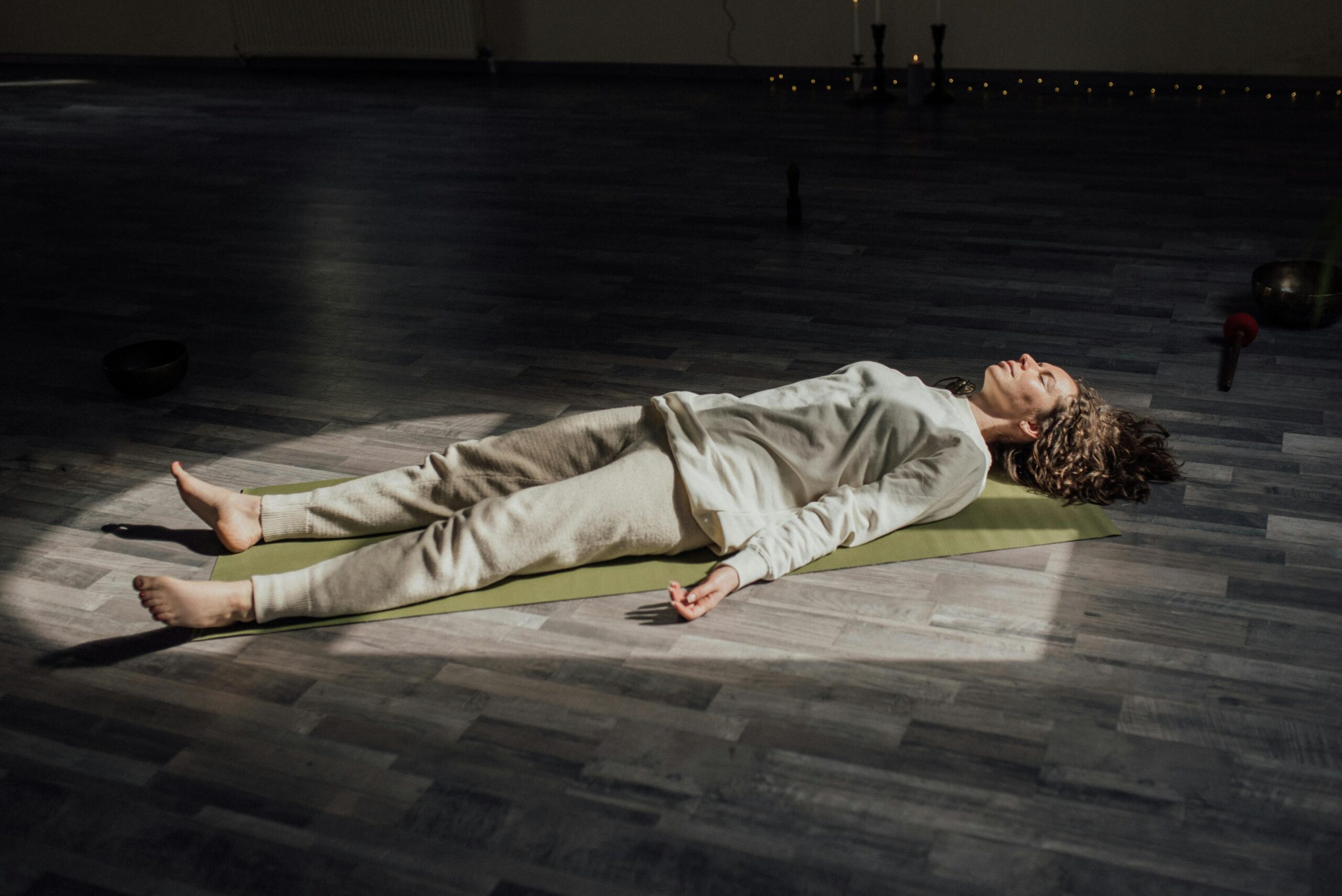
4.7 Savasana (Corpse Pose)
How to do it:
-
Lie flat on your back with your arms slightly away from your body.
-
Let your feet fall naturally to the sides.
-
Close your eyes and relax every muscle.
-
Breathe deeply and stay for at least 5–10 minutes.
Benefits:
This pose teaches total relaxation. It’s the gateway between yoga practice and deep sleep — the body becomes still, and the mind quiets down completely.
5. Restorative Yoga for Deep Relaxation
Restorative yoga uses props to support your body fully so that you can release effort. Each pose can be held for longer — allowing your muscles to melt and your breathing to deepen.
Examples:
-
Supported Bridge Pose: Lie down and place a cushion under your lower back.
-
Supported Child’s Pose: Rest your torso on a pillow or folded blanket.
-
Reclined Bound Angle Pose: Place cushions under your knees for support.
Hold each position for 5–10 minutes, breathing gently. Over time, this quiet practice trains your body to relax naturally at night, Yoga Poses for Better Sleep.
6. Breathing Techniques (Pranayama) for Better Sleep
Your breath is a mirror of your mind. When your breath is calm, your thoughts follow. Practicing a few minutes of Pranayama before bed can make a remarkable difference.
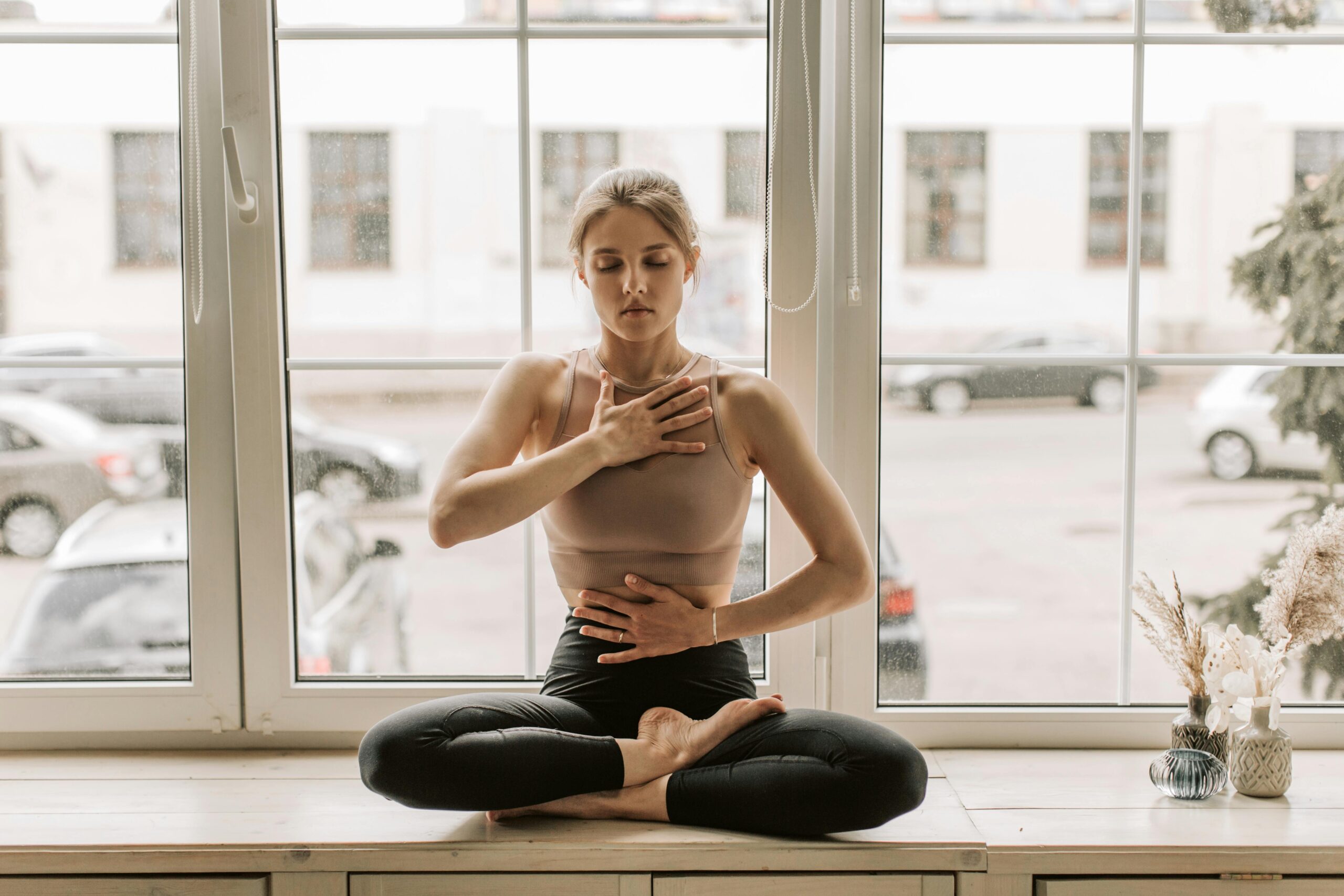
6.1 Deep Belly Breathing, Yoga Poses for Better Sleep
-
Sit or lie down comfortably.
-
Place one hand on your chest and one on your abdomen.
-
Inhale deeply, letting your belly rise.
-
Exhale slowly, letting it fall.
-
Continue for 3–5 minutes.
This breathing method lowers stress and slows your heart rate, preparing you for sleep, Yoga Poses for Better Sleep.
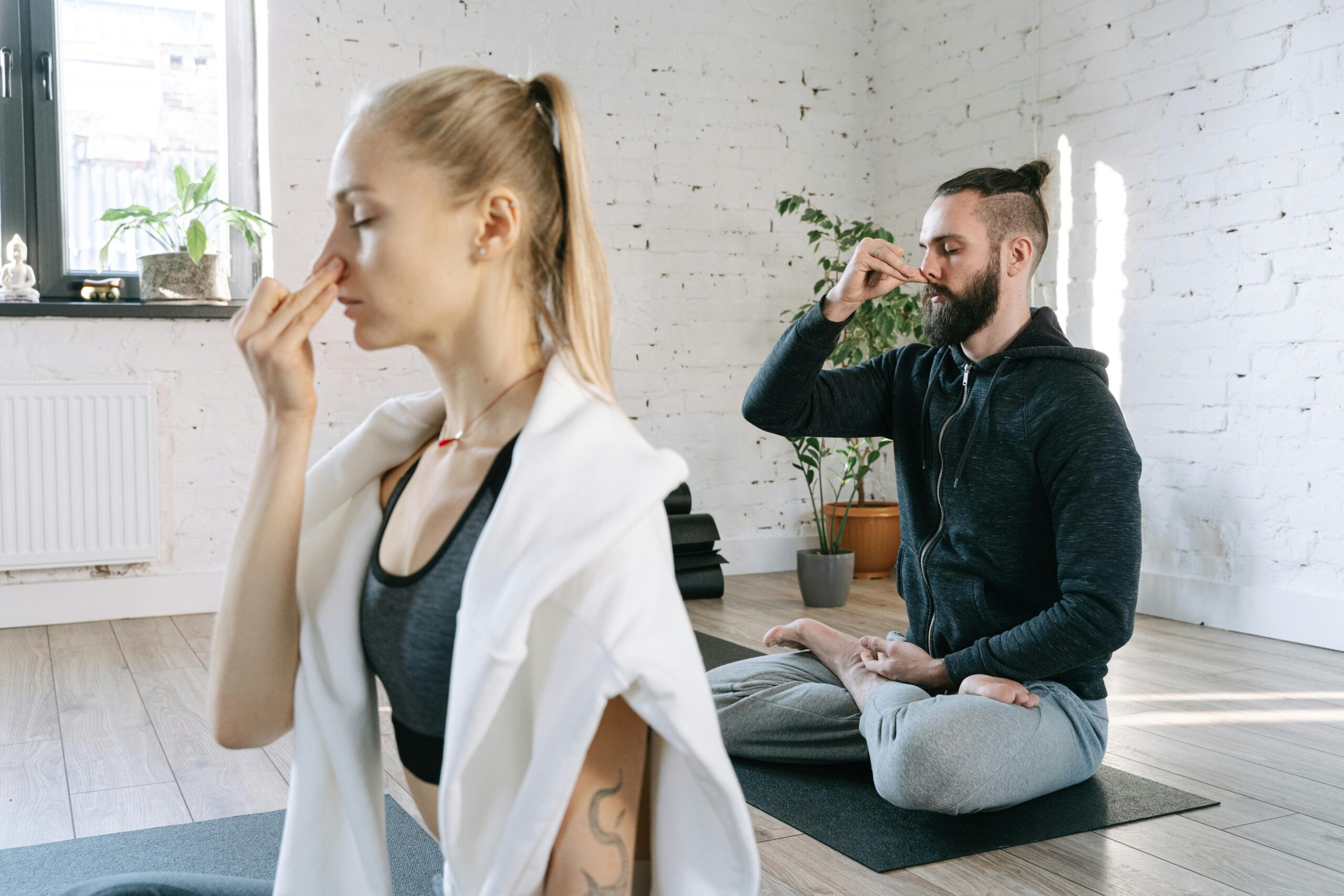
6.2 Alternate Nostril Breathing (Nadi Shodhana), Yoga Poses for Better Sleep
-
Sit comfortably and relax your shoulders.
-
Close your right nostril with your thumb and inhale through the left.
-
Close your left nostril and exhale through the right.
-
Alternate for 10 rounds.
Balances both sides of the brain and reduces emotional agitation.
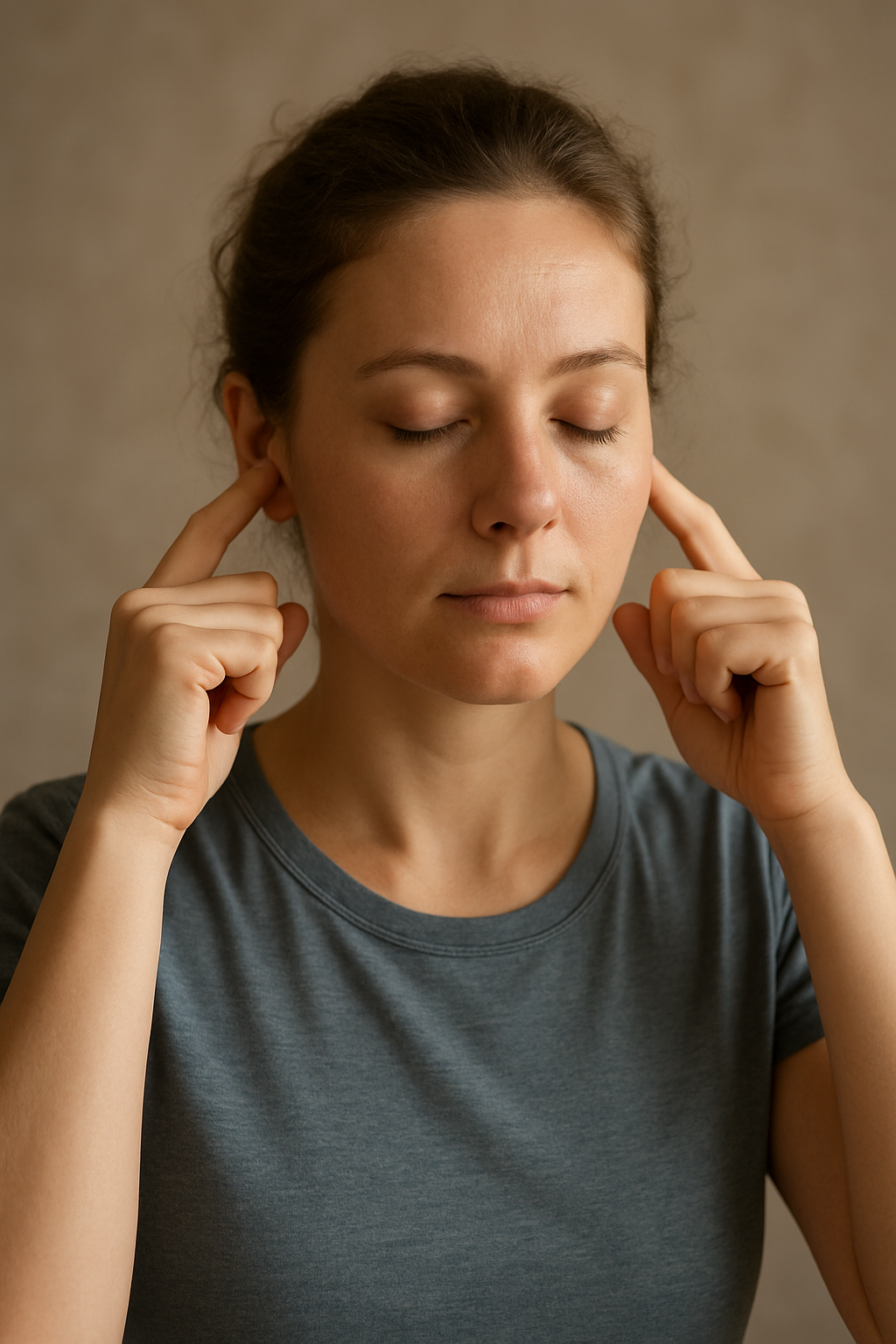
6.3 Bhramari (Humming Bee Breath)
-
Inhale deeply through the nose.
-
Exhale slowly while making a gentle humming sound.
-
Focus on the vibration in your head.
This sound resonates through the nervous system, helping release anxiety and calm the senses.
6.4 4-7-8 Breathing Technique
-
Inhale through your nose for 4 counts.
-
Hold your breath for 7 counts.
-
Exhale slowly through the mouth for 8 counts.
Practiced regularly, this technique signals your body that it’s safe to rest.
7. Mindfulness and Meditation Before Sleep, Yoga Poses for Better Sleep
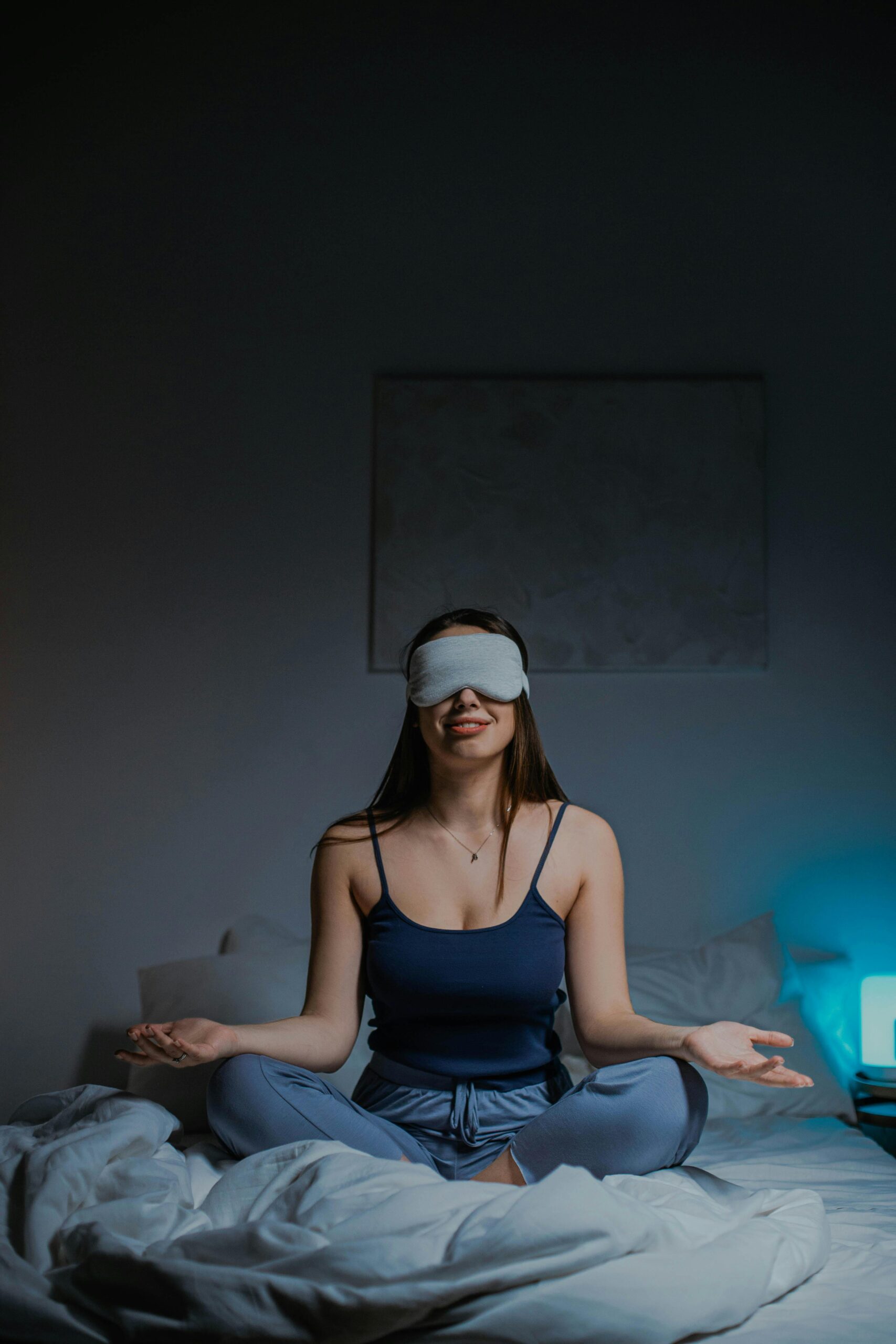
Meditation clears the mind and prepares the soul for rest. You don’t need to sit for long — even 5 minutes can shift your inner state.
How to practice:
-
Sit or lie down comfortably.
-
Close your eyes and focus on your breath.
-
Observe thoughts as they come and go — don’t hold on to them.
-
Keep bringing your awareness back to the present.
Over time, this nightly mindfulness helps you detach from overthinking, making it easier to drift into deep sleep.
8. Yoga Nidra – The Yogic Sleep, Yoga Poses for Better Sleep
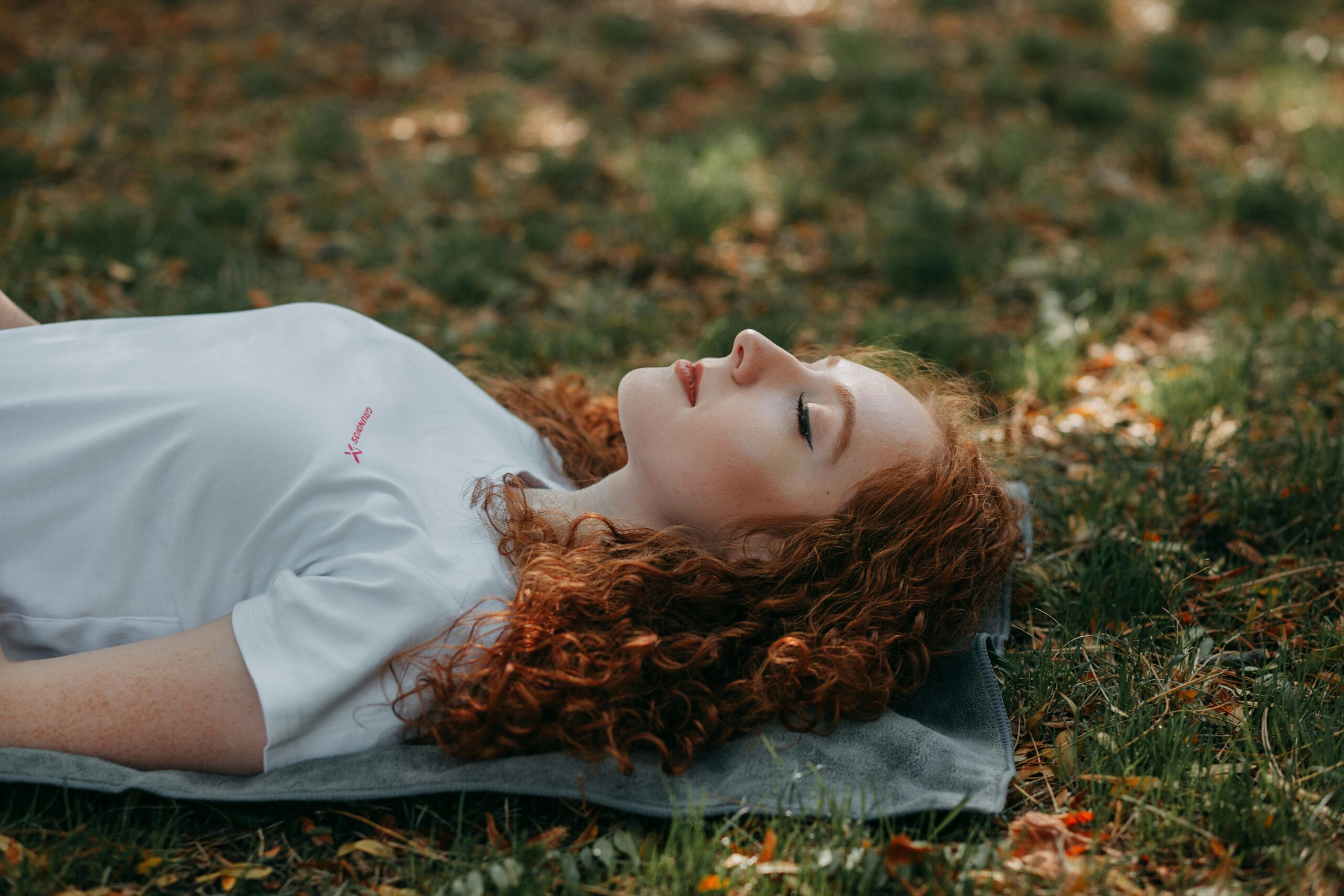
Yoga Nidra, meaning “yogic sleep,” is a guided relaxation technique where the body sleeps but the mind remains aware.
Steps:
-
Lie in Savasana.
-
Follow a guided voice or script.
-
Bring attention to different parts of your body.
-
Feel each part relax completely.
-
Visualize calmness, then repeat a peaceful affirmation.
Just 20 minutes of Yoga Nidra can feel as refreshing as a few hours of real sleep.
9. Daily Tips for Better Sleep with Yoga
Alongside yoga, adopting healthy lifestyle habits enhances your rest quality, Yoga Poses for Better Sleep.
-
Keep a consistent bedtime. Go to sleep and wake up at the same time each day.
-
Limit caffeine and sugar. Avoid stimulating drinks in the evening.
-
Unplug early. Turn off phones and TVs at least an hour before bed.
-
Stay active during the day. Gentle morning yoga boosts energy and helps you sleep better at night.
-
Journal your thoughts. Write down worries before bed to clear your mind.
-
Use aromatherapy. Lavender, sandalwood, or chamomile oil can calm your senses.
-
Keep your room cool and dark. The right temperature and lighting signal your body to sleep.
-
Practice gratitude. Ending your day with positive reflection calms emotions.
10. A Sample 30-Minute Yoga Routine for Sleep, Yoga Poses for Better Sleep
Here’s a bedtime flow that you can practice every night:
| Pose | Duration | Purpose |
|---|---|---|
| Deep Belly Breathing | 3 minutes | Calms the mind and breath |
| Child’s Pose | 3 minutes | Relaxes spine and hips |
| Seated Forward Fold | 3 minutes | Reduces tension and mental noise |
| Reclined Butterfly Pose | 5 minutes | Opens hips and chest |
| Reclined Spinal Twist | 4 minutes | Releases back tension |
| Legs-Up-the-Wall | 5 minutes | Improves circulation |
| Savasana | 7 minutes | Full-body relaxation |
Optional: End with 5 minutes of silent meditation or Yoga Nidra, Yoga Poses for Better Sleep.
11. Emotional Healing Through Nighttime Yoga
Yoga isn’t only physical; it’s emotional therapy. Each pose releases stored feelings — worry, anger, sadness, or fatigue. When practiced regularly, yoga before bed becomes a healing ritual.
Emotional calmness allows for peaceful sleep, while sleep itself restores emotional balance. This creates a healthy cycle — calmness brings rest, and rest deepens calmness.
12. Common Mistakes to Avoid, Yoga Poses for Better Sleep
-
Practicing too close to mealtime.
-
Using bright lights or screens during yoga.
-
Rushing through poses instead of relaxing in them.
-
Forgetting to breathe consciously.
-
Treating it as exercise rather than relaxation.
Yoga for sleep is about softness, stillness, and surrender — not speed or strength.
13. Turning Yoga into a Bedtime Ritual, Yoga Poses for Better Sleep
Consistency transforms yoga from an activity into a ritual of peace.
You don’t need to spend an hour — even 15–20 minutes can prepare your body for rest.
Make it a nightly habit. Roll out your mat, dim the lights, play soft music, and breathe. Over time, your body will associate this sequence with safety and stillness — helping you fall asleep naturally, without struggle.
In our fast-paced, technology-driven lives, sleep has become a luxury rather than a natural rhythm. Many people find themselves tossing and turning at night, overwhelmed by thoughts, stress, and the constant stimulation of digital screens. While we often seek solutions in external remedies — herbal teas, sound machines, or sleeping pills — the true answer lies within: learning how to calm the body, quiet the mind, and signal to the nervous system that it’s safe to rest.
This is where yoga becomes a sacred bridge between wakefulness and rest — not as an exercise routine, but as a bedtime ritual.
Turning yoga into a bedtime ritual means transforming simple stretches and breathing exercises into a daily ceremony of relaxation and self-care. It’s a way of honoring your body after a long day, allowing it to release accumulated tension and prepare for deep, peaceful sleep. Unlike physical workouts that energize, bedtime yoga invites stillness. It’s slow, soothing, and mindful — a return to yourself before drifting into dreams.
When practiced regularly, this ritual conditions your body to associate certain movements, breaths, and moments of silence with rest. Much like how children fall asleep after a bedtime story, adults too can find comfort and predictability in such nightly practices. Over time, yoga becomes a gentle signal to the brain: “It’s time to let go now.”
13.1 The Meaning of Ritual in Modern Life
Rituals have existed in human culture for thousands of years. They give structure, meaning, and calm to our days. Whether it’s lighting a candle, saying a prayer, or making a cup of tea, rituals mark transitions — from busy to quiet, from day to night, from chaos to peace.
In the same way, turning yoga into a bedtime ritual is about creating a mindful transition between activity and rest. It’s not about achieving perfect poses but rather about developing presence and consistency.
You may start with just 10 or 15 minutes each night — dim the lights, put away distractions, and move through a few gentle poses with slow, steady breathing. What begins as a simple act of relaxation can evolve into a deeply healing nightly practice.
13.2 Why a Bedtime Yoga Ritual Works, Yoga Poses for Better Sleep
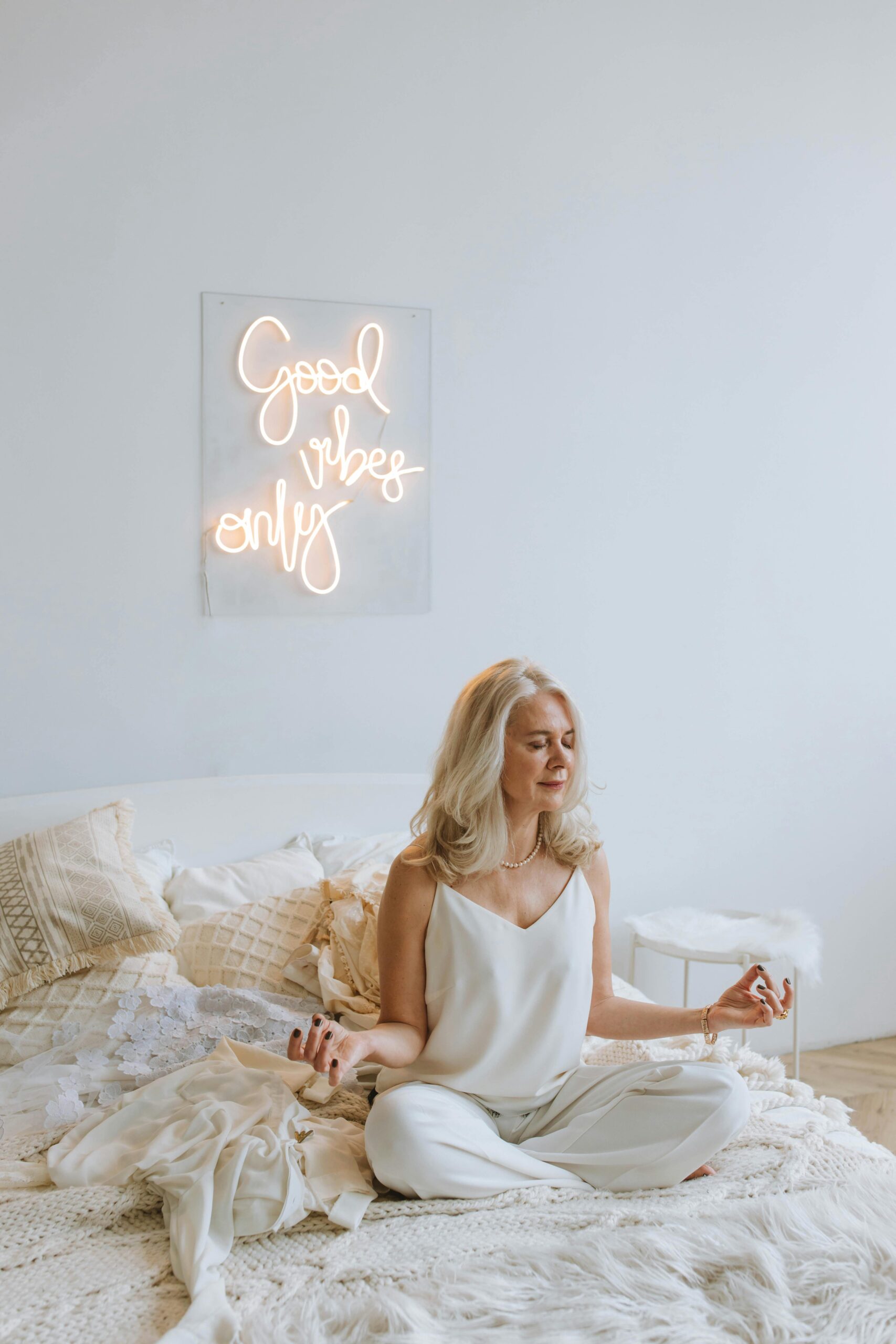
Yoga influences both the body and the mind, creating a balanced environment for restful sleep. When performed before bed, yoga helps in the following ways: Yoga Poses for Better Sleep.
-
-
Activates the Parasympathetic Nervous System:
Slow stretches and deep breathing activate your body’s natural relaxation response, lowering heart rate and blood pressure.
-
-
Releases Physical Tension:
After long hours of sitting, driving, or working, muscles store stress. Gentle movements and mindful stretches help unwind tightness, particularly in the neck, shoulders, and lower back. -
Reduces Mental Clutter:
Focusing on the breath and movement brings the mind into the present moment, reducing overthinking and mental noise. -
Encourages Emotional Balance:
Yoga helps release stored emotions. A nightly practice allows you to end your day on a note of peace and gratitude. -
Promotes Hormonal Balance:
Consistent practice can help regulate cortisol (the stress hormone) and promote melatonin production — the hormone responsible for sleep.
13.3 Creating Your Bedtime Yoga Space
A ritual feels sacred when it’s done in a soothing environment. You don’t need a studio — just a quiet corner that feels calm and safe.
Tips for Setting Up: Yoga Poses for Better Sleep
-
Lighting: Use warm, dim lighting or a small lamp. Avoid bright or blue lights.
-
Sound: Play soft instrumental music, nature sounds, or simply enjoy silence.
-
Aromatherapy: Use calming scents like lavender, chamomile, or sandalwood.
-
Props: Keep a yoga mat, cushions, and a cozy blanket nearby.
-
Temperature: Keep the room slightly cool — your body rests best in a comfortable, calm environment.
When your space feels nurturing, your body will naturally begin to relax as soon as you enter it.
13.4 Steps to Build Your Bedtime Yoga Ritual, Yoga Poses for Better Sleep
-
Set an Intention
Before beginning, pause and take a deep breath. Remind yourself why you are here — to release the day and prepare for rest. You can mentally say:
“I let go of everything I cannot control. I allow peace to enter my body.”
-
Start with Gentle Movement
Begin with light stretches to release physical tension. Movements like neck rolls, shoulder shrugs, and spinal twists help you loosen up before deeper poses. -
Move into Restorative Poses
Choose poses that encourage relaxation and openness. Examples include Child’s Pose (Balasana), Legs-Up-the-Wall (Viparita Karani), Reclined Butterfly (Supta Baddha Konasana), and Corpse Pose (Savasana).
These poses slow the body’s rhythm and deepen the breath. -
Focus on the Breath
Breathing connects the body and mind. Practice deep belly breathing or 4-7-8 breathing, inhaling slowly and exhaling longer. This activates the parasympathetic system — your natural “sleep mode.” -
End with Stillness
After movement, lie quietly on your back in Savasana or practice a few minutes of mindful meditation or Yoga Nidra. Let your awareness drift over your body, noticing how it feels — soft, calm, and heavy with rest. -
Consistency Matters
Repeat this ritual every night at the same time. The more regular your practice, the stronger the association your body builds between yoga and sleep. Over time, your brain will recognize the sequence as a cue for deep relaxation.
13.5 The Psychology of a Ritual, Yoga Poses for Better Sleep
Psychologically, rituals reduce uncertainty and anxiety. They give our brains something predictable to anchor to, which is essential in the transition from alertness to sleep.
When you perform yoga nightly with calm intention, your mind learns to trust the process. It knows what comes next — gentle breathing, stillness, and eventually, rest.
In this way, your bedtime yoga ritual becomes like a mental dimmer switch, gradually lowering the brightness of your mind until it’s ready to enter the darkness of sleep peacefully.
13.6 Sample Nightly Routine
Here’s a simple example of a 20-minute bedtime yoga ritual you can adopt: Yoga Poses for Better Sleep.
-
Prepare (2 minutes): Dim the lights, silence your phone, and take three slow, deep breaths.
-
Child’s Pose (3 minutes): Let go of the day’s tension.

-
Seated Forward Fold (3 minutes): Soothe the nervous system.
-
Reclined Twist (3 minutes): Detox and relax the spine.
-
Legs-Up-the-Wall (5 minutes): Calm the heart and slow the breath.
-
Savasana or Yoga Nidra (4 minutes): Complete surrender to rest.
Add soft background music or affirmations like “I am at peace,” or “I release this day.”
13.7 Affirmations to Enhance Your Ritual
Combining yoga with gentle affirmations amplifies the healing effect. Try repeating one or two of the following during your bedtime practice: Yoga Poses for Better Sleep.
-
“My body is relaxed, my mind is calm, my heart is at peace.”
-
“I release all that no longer serves me.”
-
“I am grateful for this day and open to rest.”
-
“I trust the rhythm of my body and the flow of life.”
-
“I am safe, supported, and ready to sleep.”
These affirmations plant positive thoughts in your subconscious mind, guiding it toward serenity as you fall asleep.
13.8 The Deeper Purpose of a Bedtime Yoga Ritual
When yoga becomes a nightly ritual, it’s no longer just a physical practice — it’s an act of self-love. It teaches you to listen to your body, acknowledge your emotions, and slow down enough to feel.
Over time, this nightly pause cultivates gratitude and mindfulness. You begin to notice how small moments of stillness change your energy — not just at night but throughout the day. You become less reactive, more centered, and more aware.
Sleep becomes not a struggle, but a continuation of your yoga — the final pose of your day.
13.9 Final Thoughts
Yoga Poses for Better Sleep:
Turning yoga into a bedtime ritual is one of the simplest yet most profound gifts you can give yourself. In a world

that glorifies busyness, it’s a reminder that rest is sacred and necessary.
Each night, as you roll out your mat and breathe into stillness, you honor your body for all i
t has done, forgive yourself for what didn’t go perfectly, and create space for peace to enter.
With consistency and compassion, yoga transforms bedtime from a restless wait into a peaceful journey inward — a bridge from the noise of the day to the quiet wisdom of sleep.
So tonight, let your yoga mat be your sanctuary. Move gently, breathe deeply, and trust the process. Your body knows how to rest — all it needs is your permission.
Conclusion
Yoga Poses for Better Sleep, Yoga is not about touching your toes or holding perfect poses; it’s about touching peace within yourself. When practiced with awareness, yoga becomes a bridge between your waking life and the world of rest.
Each gentle movement, each slow breath, teaches your body and mind the art of letting go — of tension, of control, of the day itself. Through this letting go, sleep comes effortlessly, naturally, beautifully.
When yoga becomes a part of your bedtime routine, sleep stops being a problem — it becomes a reward. So tonight, unroll your mat, breathe deeply, and let yoga guide you toward the calm, healing power of true rest.
Pingback: Best Cameras for Travel Photography - Funday
Xoxo66… hugs and kisses and maybe some winnings? Hope the site is fun and engaging. Let’s see what xoxo66 has to offer! xoxo66