
How to Stop Overthinking?
Introduction: Why Overthinking Feels Like a Mental Prison
How to Stop Overthinking? Overthinking is one of the most common silent struggles of modern life. It doesn’t shout. It whispers. It creeps into your quiet moments, hijacks your peace, and turns simple situations into complicated mental puzzles. You might be lying in bed, staring at the ceiling, replaying something you said three years ago. Or maybe you’re stuck trying to make a decision so small that others would decide it in seconds—but for you, it feels like a life-altering choice.
 Overthinking feels productive, but it’s not. It feels like preparation, but it’s actually procrastination disguised as caution. Your mind convinces you that if you just think a little more, everything will finally make sense. But clarity never comes. Instead, you feel heavier, more anxious, and mentally exhausted.
How to Stop Overthinking? In today’s world, overthinking has become easier than ever. We are overloaded with information, opinions, expectations, comparisons, and constant stimulation. Our brains were never designed to process this much input. So what happens? The mind starts looping. One thought leads to another, then another, until you’re trapped in a cycle you didn’t even realize you entered.
This article is not about “stop thinking” or “just relax.” That advice doesn’t work. Instead, this is a deep, practical, and human guide to understanding why you overthink and how to gently train your mind to slow down. No clichés. No copied ideas. Just real solutions that actually help in everyday life.
Let’s start from the root.
When Your Mind Refuses to Be Quiet
How to Stop Overthinking? Overthinking doesn’t arrive with a warning sign. It slips in quietly, often disguised as responsibility, intelligence, or care. At first, it feels harmless—just a little extra thinking, a little extra caution. But slowly, almost invisibly, it begins to take over. Thoughts repeat themselves like a broken record. Simple decisions start to feel heavy. The mind becomes crowded, noisy, and restless, even when life outside is calm.
You may wake up feeling tired before the day even begins. It analyzed conversations that already ended, imagined futures that haven’t arrived, and replayed mistakes that can’t be undone. Overthinking turns the mind into a courtroom where every thought is questioned, judged, and cross-examined endlessly.
What makes overthinking especially difficult is that it feels useful. It convinces you that you’re preparing, protecting, or preventing something bad from happening. The brain tells you, “If I think about this long enough, I’ll figure it out.” But instead of clarity, you get confusion. Instead of solutions, you get stress. Instead of peace, you get mental fatigue.
In today’s fast-paced world, overthinking has quietly become a common lifestyle. We are surrounded by opinions, advice, comparisons, notifications, and expectations. Every choice—from career paths to personal relationships—comes with endless possibilities and pressures. The mind struggles to keep up. It wants certainty in an uncertain world, answers in situations that don’t have clear ones. So it does what it knows best: it thinks. And then it thinks  again. And again.
How to Stop Overthinking? Overthinking is not a personal failure. It is not a weakness. In fact, many people who overthink are deeply thoughtful, sensitive, and intelligent. They care about outcomes. They care about people. They care about doing things right. The problem isn’t caring—it’s caring without boundaries. When thinking loses balance, it stops being helpful and starts becoming harmful.
One of the cruelest tricks of overthinking is how convincing it sounds. It speaks in your own voice. It feels logical. It uses “what if,” “should have,” and “what could go wrong” as weapons. It keeps you stuck in your head while life waits outside. Opportunities pass, confidence shrinks, and joy feels distant—not because life is bad, but because the mind won’t let you fully live it.
Overthinking also steals the present moment. While your body exists in the now, your mind is somewhere else—reliving the past or worrying about the future. You might be sitting with loved ones, yet mentally miles away. You might achieve something meaningful, yet immediately question it. Nothing feels complete, because your mind keeps searching for flaws, risks, and alternatives.
How to Stop Overthinking? This constant mental noise takes a toll. Sleep becomes lighter. Decisions become harder. Emotions feel heavier. Over time, overthinking can drain motivation, weaken self-trust, and quietly shape anxiety. And the worst part? Most people don’t even realize they’re overthinking—they just believe they’re “thinking a lot.”
But here’s the truth: your mind was never meant to carry everything at once. It was designed to think, yes—but also to rest, to observe, and to experience. When thinking becomes excessive, it’s a sign that the mind needs guidance, not punishment. You don’t need to silence your thoughts. You need to learn how to relate to them differently.
How to Stop Overthinking? Stopping overthinking doesn’t mean becoming careless or indifferent. It means learning when thinking is useful and when it’s destructive. It means knowing when to reflect and when to let go. It means understanding that not every thought deserves attention, and not every question needs an answer right now.
This article is not about forcing positivity or pretending problems don’t exist. It’s about practical, realistic ways to calm the mental storm without losing your depth or intelligence. It’s about learning how to step out of endless mental loops and return to clarity. It’s about creating space in your mind—space to breathe, decide, rest, and live.
If you’ve ever felt trapped inside your own thoughts…
If you’re tired of thinking so much but don’t know how to stop…
You’re not alone—and more importantly, you’re not broken.
With awareness, simple techniques, and consistent practice, it’s possible to train your mind to slow down, refocus, and regain balance. Peace is not found by thinking harder—it’s found by thinking wiser.
Understanding Overthinking
What Is Overthinking Really? How to Stop Overthinking?
Overthinking is repetitive, unproductive thinking that doesn’t lead to action or resolution. It often involves:
-
Imagining worst-case scenarios
-
Replaying past mistakes
-
Overanalyzing conversations
-
Obsessing over outcomes you can’t control
The key sign of overthinking is this: you feel worse after thinking, not better.
Healthy thinking leads to decisions. Overthinking leads to doubt.
Why Do Humans Overthink So Much?
At its core, overthinking is driven by fear. Fear of failure. Fear of rejection. Fear of uncertainty. The brain wants safety, predictability, and control. When life feels uncertain, the mind tries to “think its way out” of discomfort.
Unfortunately, the brain doesn’t understand that not everything can be solved by thinking.
Overthinking vs. Deep Thinking, How to Stop Overthinking?
Deep thinking explores ideas and leads to insight. Overthinking circles the same thought without progress. One expands your mind; the other traps it.
The Hidden Cost of Overthinking
Mental Exhaustion and Burnout
Your brain uses energy. Constant thinking without rest leads to mental fatigue. You may feel tired even after doing “nothing.”
Emotional Drain and Anxiety
How to Stop Overthinking? Overthinking feeds anxiety. Anxiety feeds more overthinking. It’s a loop that grows stronger the longer it continues.
Impact on Confidence and Self-Esteem
When you overthink, you doubt yourself. Over time, this erodes confidence and makes you trust your own judgment less.
Common Triggers of Overthinking
Fear of Making the Wrong Choice
Many people overthink because they believe one wrong decision will ruin everything. In reality, most decisions are adjustable.
Living in the Past or Future
How to Stop Overthinking? Overthinking thrives when you’re mentally absent from the present moment.
Comparison and External Pressure
Comparing your behind-the-scenes life to someone else’s highlight reel is a fast track to overthinking.
Clear Signs You Are Overthinking
Constant Mental Replays
Replaying conversations again and again, How to Stop Overthinking?
Decision Paralysis
Feeling stuck even with simple choices.
Physical Symptoms
Tight chest, headaches, restlessness, shallow breathing.
The Science and Psychology Behind Overthinking
How the Brain Traps You
The brain seeks patterns. When it doesn’t find certainty, it keeps searching—like a computer stuck loading.
Control Illusion
Overthinking gives the illusion of control, but control comes from action, not analysis.
Why Overthinking Feels Automatic
Your brain has practiced this pattern for years. What’s practiced becomes automatic.
How to Stop Overthinking? Practical, Real-Life Solutions
1. Name the Thought Loop
When you catch yourself overthinking, say:
“I’m overthinking right now.” ,How to Stop Overthinking?
Naming it creates distance.
2. Ask One Powerful Question
Instead of “What if?” ask:
“What’s the next small action I can take?”
Action breaks loops.
3. Set a Thinking Boundary
Give yourself a thinking window. When time’s up, move on.
4. Brain Dump Method
Write everything down without editing. This clears mental clutter instantly.
Train Your Mind to Stay Presen, How to Stop Overthinking?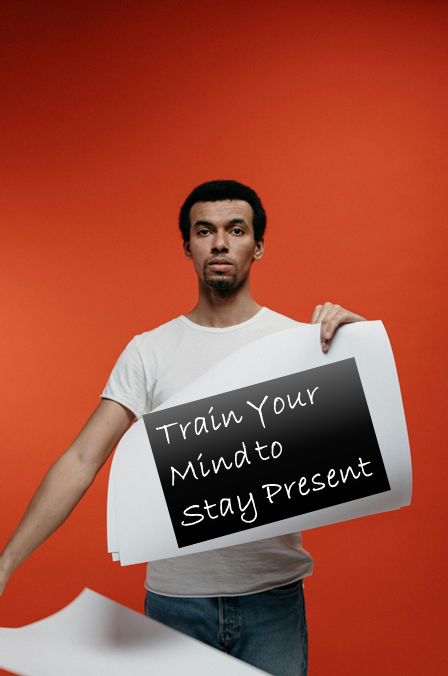
Mindfulness Without the Fluff
Mindfulness is simply noticing where your attention is.
Breathing That Actually Works
Slow exhale breathing signals safety to the nervous system.
Grounding Techniques
Touch something cold. Look around. Name five things you see.
Change Your Inner Dialogue
Catch the Inner Critic
Your thoughts are not facts.
Replace Assumptions With Reality
Ask: “What evidence do I actually have?”
Talk to Yourself Like a Friend
You deserve kindness from your own mind.
How to Stop Overthinking? at Night
Why Night Makes It Worse
Silence amplifies thoughts.
Night Routine Reset
-
No screens 1 hour before bed
-
Write worries down
-
Gentle stretching
Mental Parking Lot
Tell your brain: “I’ll handle this tomorrow.”
Reduce Information Overload
Limit Inputs
How to Stop Overthinking? Too much information creates confusion.
Stop Over-Explaining Yourself
Not everything needs justification.
Focus on Control Zones
Control effort, not outcomes.
Decision-Making Without Mental Chaos
Trust First Instincts
Your intuition processes faster than logic.
Good Enough Is Enough
Perfection is the enemy of peace.
Learn by Doing
Clarity comes after action, not before.
Emotional Release Strategies
Talk It Out
How to Stop Overthinking? Sharing thoughts reduces their intensity.
Move Your Body
Walking clears the mind more than thinking ever will.
Creative Expression
Write, draw, sing—release beats repression.
Daily Habits That Prevent Overthinking
Mental Check-Ins
Pause and notice your state.
Journaling for Clarity
One page a day is enough.
Rest Without Guilt
Rest resets the brain.
When Overthinking Needs Extra Support
Chronic Overthinking, How to Stop Overthinking?
If it controls your life, it’s time for help.
Therapy Is Not Weakness
It’s mental training.
Support Systems Matter
You don’t have to do this alone.
Long-Term Mindset Shifts
Let Life Be Uncertain
Uncertainty is not danger.
Progress Over Perfection
Growth beats control.
Live Today Fully
Tomorrow will come on its own.
Conclusion
How to Stop Overthinking? Overthinking is not your enemy—it’s a misunderstood protector that stayed too long. You don’t need to silence your mind; you need to guide it. With patience, practice, and self-compassion, you can step out of mental chaos and into clarity. Peace is not the absence of thoughts—it’s freedom from being controlled by them.
FAQs
How to Stop Overthinking?
1. Can overthinking be stopped permanently?
It can be managed and reduced significantly with practice.
2. Is overthinking linked to intelligence?
Many intelligent people overthink, but intelligence doesn’t require mental suffering.
3. How do I stop overthinking instantly?
Shift your body—move, breathe, ground yourself.
4. Is overthinking a habit?
Yes, and habits can be unlearned.
5. What’s the fastest way to calm the mind?
Slow breathing and present-moment awareness.
Pingback: How To Weight Gain - Funday