
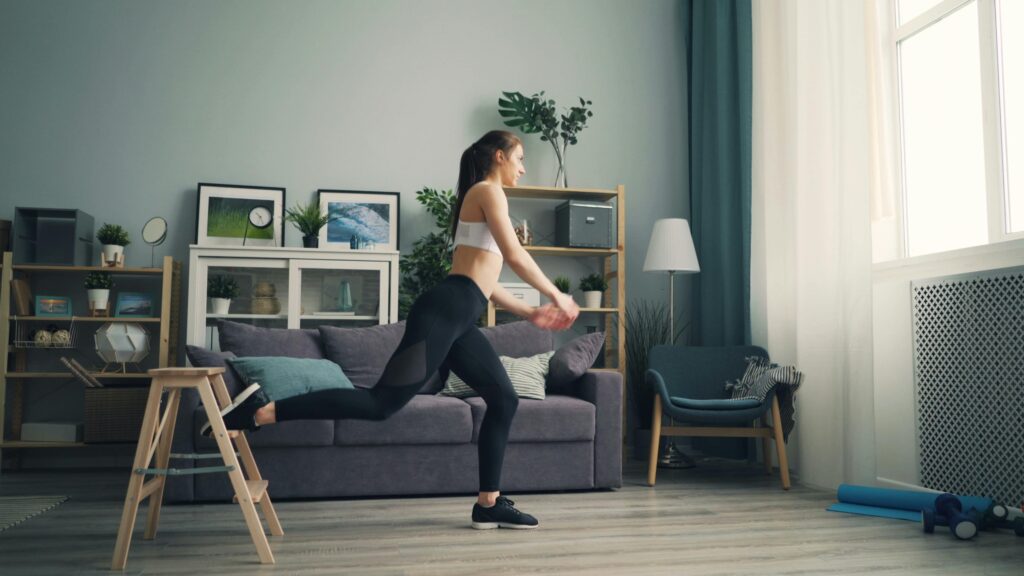
Home Workout –
Build Strength, Fitness, and Discipline Without a Gym
Introduction to Home Workouts
Let’s be honest—life is busy. Between work, family, traffic, and endless responsibilities, hitting the gym every day sounds great on paper but rarely happens in real life. That’s where home workouts quietly step in and save the day.
A home workout isn’t a compromise. It’s a smart choice. Think of it like cooking at home instead of eating out—you control the ingredients, timing, and effort. The same logic applies to fitness.
What Is a Home Workout?
A home workout is exactly what it sounds like: exercising in your own space using bodyweight, minimal equipment, or 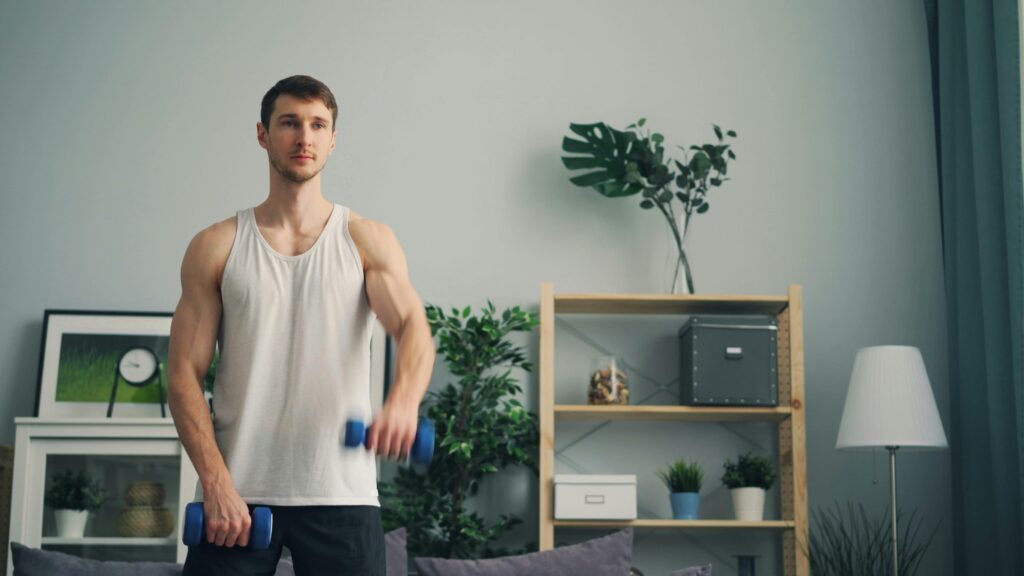 simple tools. No machines. No crowds. No excuses.
From push-ups in your bedroom to yoga in your living room, home workouts turn ordinary spaces into personal fitness zones.
Why Home Workouts Are More Popular Than Ever
People want flexibility. They want results without wasting time. Home workouts fit modern life perfectly. You don’t need to “go” anywhere—your workout is already waiting for you.
Benefits of Home Workouts
Saves Time and Money
Gym memberships, travel costs, fancy supplements—it all adds up. Home workouts cut out the middleman. No commute. No fees. Just you and your commitment.
Ten minutes saved every day turns into hours every month. That’s time you can actually use.
Total Convenience and Flexibility
Morning, afternoon, or midnight—your workout, your rules. Home workouts bend around your schedule, not the other way around.
Privacy and Comfort
No mirrors. No judgment. No awkward stares. You sweat freely, fail freely, and improve freely.
Builds Self-Discipline
When no trainer is watching, discipline becomes your personal trainer. Home workouts teach consistency—the real secret behind long-term fitness.
Home Workout: A Complete Step-By-Step Guide to Transform Your Body Without a Gym
Why Home Workouts Are No Longer a Second Option
Once upon a time, fitness meant one thing: a gym membership. Big machines, loud music, mirrors everywhere. But times have changed. Today, home workouts are not a backup plan—they are a powerful first choice.
Think about it. Your body doesn’t know whether you’re lifting a dumbbell in a gym or pushing your bodyweight in your bedroom. Muscles respond to effort, tension, and consistency, not fancy equipment.
This guide will walk you step by step, from absolute beginner to confident home trainer. No confusion. No fluff. Just practical, real-life fitness you can actually follow.
Step 1: Understanding What a Home Workout Really Is
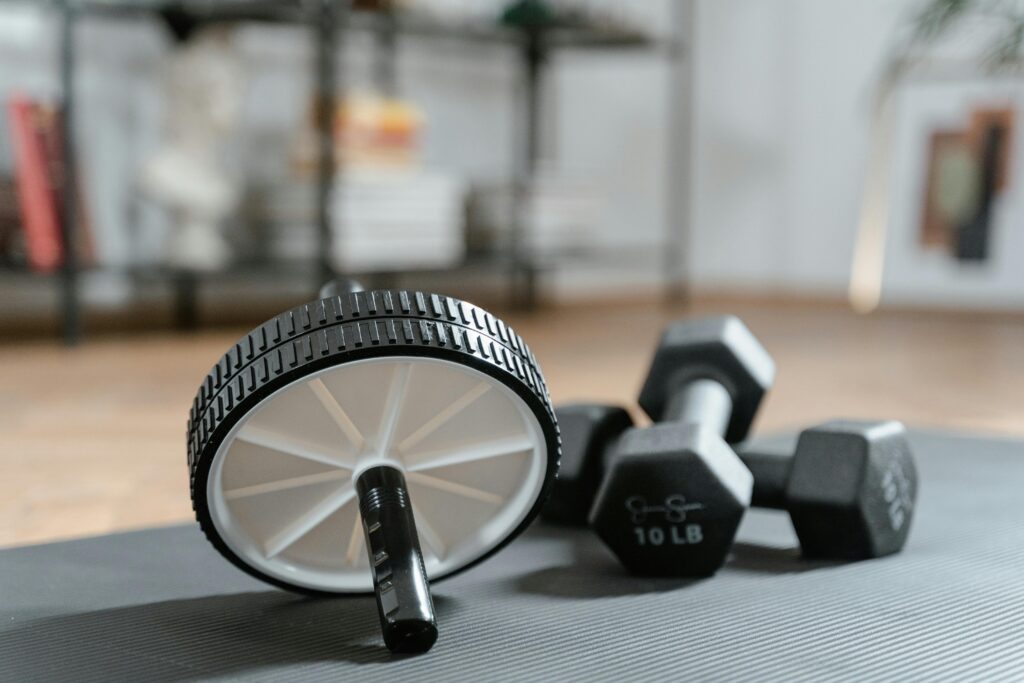
A home workout is any planned physical activity you perform in your own space using:
-
Your body weight
-
Minimal equipment
-
Or everyday household items
It’s not about copying gym routines at home. It’s about adapting fitness to your lifestyle.
Home workouts focus on:
-
Natural movement
-
Functional strength
-
Long-term sustainability
If the gym is a factory, home workouts are a custom workshop—built exactly for you.
Step 2: Why Home Workouts Work (Science Without the Boring Stuff)
Your muscles grow and your fat burns when three things happen:
-
Muscle tension
-
Progressive challenge
-
Recovery
Home workouts deliver all three.
Slow push-ups increase tension.
More reps increase challenge.
Rest days allow recovery.
Simple. Effective. Proven.
Your body doesn’t care where the workout happens. It only cares how seriously you train.
Step 3: Setting Up Your Home Workout Environment
You don’t need a fancy setup. You need clarity and consistency.
Choose One Dedicated Spot
-
Bedroom corner
-
Living room space
-
Balcony or terrace
One spot = one habit.
Keep It Clean and Open
Clutter kills motivation. Clear space signals your brain: “It’s workout time.”
Optional Basic Tools
-
Yoga mat
-
Resistance band
-
Skipping rope
-
Chair
-
Water bottle
That’s it. No machines. No excuses.
Step 4: Warm-Up – The Most Ignored Step (And the Most Important)
Skipping warm-ups is like starting a cold car and flooring the accelerator.
5–8 Minute Warm-Up Routine
-
Neck rotations
-
Arm circles
-
Hip rotations
-
Jumping jacks
-
Light squats
This:
-
Increases blood flow
-
Reduces injury risk
-
Improves performance
Warm muscles work better. Period.
Step 5: Core Home Workout Movements (Your Foundation)
These exercises form the backbone of almost every effective home workout.
1. Push-Ups
Targets chest, shoulders, arms, core
Too hard? Do knee push-ups.
2. Squats
Targets legs and glutes
Slow squats = more strength
3. Planks
Targets core and posture
Start with 20 seconds. Build up.
4. Lunges
Improves balance and leg strength
Use a chair for support if needed.
5. Glute Bridges
Strengthens hips and lower back
Perfect for people who sit a lot.
Master these, and your body becomes your gym.
Step 6: Beginner Home Workout Plan (Week 1–2)
Workout Frequency
3–4 days per week
Simple Full-Body Routine
-
Squats – 15 reps
-
Push-ups – 10 reps
-
Plank – 20 seconds
-
Glute bridges – 15 reps
-
Jumping jacks – 30 seconds
Repeat 2–3 rounds.
Rest 60 seconds between rounds.
This builds:
-
Confidence
-
Joint strength
-
Habit consistency
Step 7: Intermediate Home Workout Plan (Week 3–6)
Now your body is ready for more challenge.
Split Training Style
Day 1: Lower body
Day 2: Upper body
Day 3: Cardio + core
Example Lower Body Day
-
Squats – 20 reps
-
Lunges – 12 each leg
-
Wall sit – 30 seconds
-
Calf raises – 25 reps
Intensity increases. Rest decreases.
Step 8: Advanced Home Workout Techniques
No gym? No problem.
Time Under Tension
Slow down each rep.
Example: 3 seconds down, 1 second up.
Supersets
Do two exercises back-to-back.
Example:
-
Push-ups → Plank
-
Squats → Jump squats
Circuit Training
Minimal rest. Maximum sweat.
These techniques push your body past comfort—where real change happens.
Step 9: Home Workout for Weight Loss (Step-By-Step)
Weight loss is about calorie burn + consistency.
Best Fat-Burning Home Exercises
-
Burpees
-
High knees
-
Mountain climbers
-
Jump squats
Simple Fat-Loss Rule
Train hard → Eat smart → Sleep well
No extreme dieting. No shortcuts.
Step 10: Home Workout for Muscle Building
Yes, you can build muscle at home.
How Muscle Grows at Home
-
Higher reps
-
Slower movements
-
Short rest periods
Protein Matters
Muscles need fuel.
Eggs, dal, paneer, chicken, tofu—keep it simple.
Muscle growth is not about equipment. It’s about stimulus and recovery.
Step 11: Nutrition to Support Home Workouts
Pre-Workout
-
Fruit
-
Light carbs
-
Water
Post-Workout
-
Protein
-
Complex carbs
-
Fluids
Food is not the enemy. Bad habits are.
Step 12: Recovery and Rest (Where Results Are Born)
Training breaks muscles.
Rest rebuilds them.
Recovery Basics
-
7–8 hours sleep
-
Stretching
-
One full rest day per week
If you feel tired, rest. Progress doesn’t mean punishment.
Step 13: Common Home Workout Mistakes to Avoid
Doing Too Much Too Soon
Progress beats intensity.
Ignoring Form
Bad form = bad results + injuries.
No Plan
Random workouts give random results.
Structure creates success.
Step 14: Staying Motivated Long-Term
Motivation is temporary. Systems last.
How to Stay Consistent
-
Same workout time daily
-
Track reps or time
-
Celebrate small wins
Treat workouts like brushing your teeth—not optional.
Step 15: Home Workout for Mental Strength
Home workouts train more than muscles.
They teach:
-
Discipline
-
Self-trust
-
Emotional control
Each session is a promise kept to yourself.
Home Workout vs Gym Workout
Cost Comparison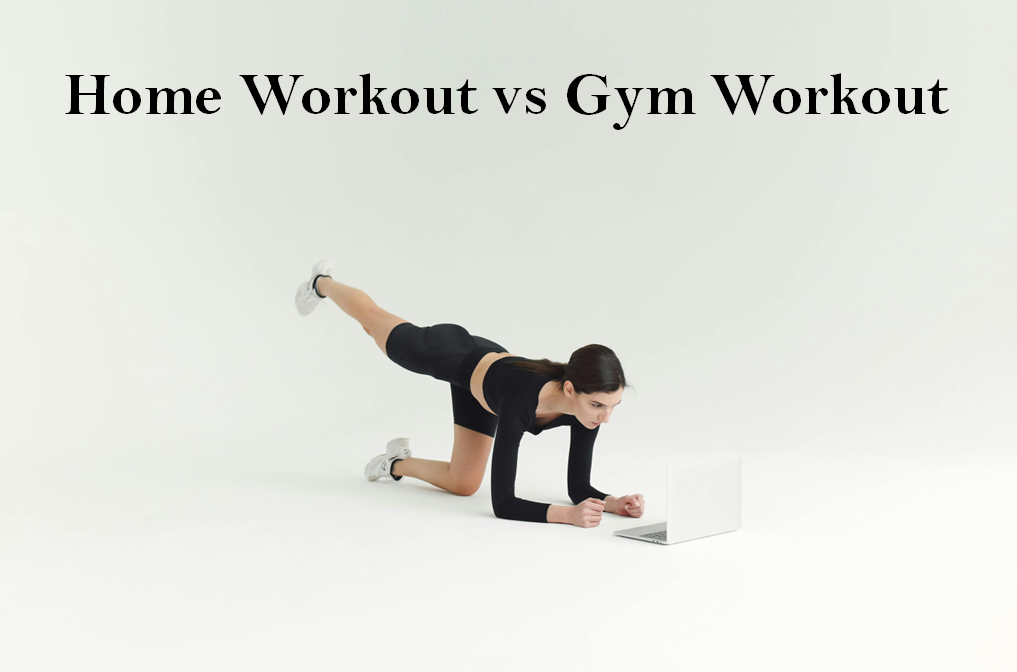
Gym: Monthly fees, joining fees, transport.
Home workout: Mostly free.
The math is simple.
Results and Effectiveness
Results don’t come from machines. They come from effort. A focused home workout can deliver the same—or even better—results when done consistently.
Motivation and Consistency
Gyms motivate some people. Home motivates others. The key is choosing what you’ll actually stick to.
Setting Up Your Home Workout Space
Choosing the Right Spot
You don’t need a full room. A small corner with enough space to stretch is enough. Clear space equals clear mindset.
Minimal Equipment You May Need
No-Equipment Workouts
Push-ups, squats, planks, lunges—your body is the equipment.
Low-Budget Equipment Options
-
Resistance bands
-
Yoga mat
-
Skipping rope
-
Water bottles as weights
Simple tools. Serious results.
Types of Home Workouts
Bodyweight Training
The foundation of home fitness. Bodyweight workouts build strength, balance, and control naturally.
Cardio Workouts at Home
Jumping jacks, high knees, burpees—cardio doesn’t need treadmills.
Strength Training Without Weights
Slow reps, pauses, and holds increase muscle tension. Muscle doesn’t know numbers—it knows stress.
Flexibility and Mobility Exercises
Stretching keeps your body young. Flexibility is strength’s quiet partner.
HIIT Home Workouts
Short, intense, and effective. HIIT burns calories long after the workout ends.
Beginner Home Workout Plan
Day-Wise Simple Routine
Day 1: Full body
Day 2: Cardio + core
Day 3: Rest or light stretching
Repeat
Start small. Build slowly.
Warm-Up and Cool-Down Importance
Skipping warm-ups is like driving without warming the engine. Don’t do it.
Intermediate Home Workout Plan
Increasing Intensity Safely
More reps. Less rest. Better control. Progress doesn’t need chaos.
Progressive Overload at Home
Add time, reps, or slower tempo. Growth comes from gradual challenge.
Advanced Home Workout Strategies
Supersets and Circuits
Back-to-back exercises push endurance and strength together.
Time Under Tension Techniques
Slower movements mean more muscle activation. Less equipment. More burn.
Home Workout for Weight Loss
Fat-Burning Exercises
-
Burpees
-
Mountain climbers
-
Jump squats
Sweat is just fat crying—let it cry.
Combining Workout with Diet
You can’t out-train bad eating. Keep meals clean and simple.
Home Workouts for Muscle Building
Muscle Growth Without Gym
Yes, it’s possible. Consistency, protein, and progressive stress matter more than dumbbells.
Common Myths About Home Training
“No gym means no gains.”
That’s a myth—and a lazy one.
Home Workouts for Different Age Groups
Home Workout for Teens
Focus on form, flexibility, and fun.
Home Workout for Adults
Balance strength, cardio, and recovery.
Home Workout for Seniors
Gentle movement, mobility, and balance take priority.
Common Mistakes in Home Workouts
Overtraining
More isn’t better. Better is better.
Poor Form and Technique
Quality beats quantity every time.
Skipping Recovery
Rest is where growth happens.
Staying Motivated with Home Workouts
Building a Routine
Same time. Same place. Fewer decisions.
Tracking Progress
Photos, reps, or how you feel—track something.
Mental Discipline and Consistency
Motivation fades. Habits stay.
Nutrition Tips to Support Home Workouts

Pre-Workout Nutrition
Light carbs and water fuel energy.
Post-Workout Meals
Protein repairs. Food is recovery.
Hydration and Recovery Foods
Water is underrated. Drink it.
Safety Tips for Home Workouts
Avoiding Injuries
Listen to pain. It’s feedback, not weakness.
Listening to Your Body
Rest when needed. Push when ready.
30-Day Challenge: Transform Your Body, Mind, and Habits Without a Gym
Why a 30-Day Challenge Can Change Everything
Motivation is tricky. Some days you feel unstoppable. Other days, even standing up feels like a workout. That’s exactly why a 30-day home workout challenge works so well.
Thirty days is not forever. It’s not scary. It’s just long enough to:
-
Build a habit
-
Feel physical changes
-
See mental strength grow
Think of this challenge like planting a seed. You won’t see a forest in one day—but water it daily, and something powerful begins.
This challenge is designed for real people, real schedules, and real homes.
How This 30-Day Home Workout Challenge Works
Before jumping in, let’s get clear.
What You Need
-
A small open space
-
Comfortable clothes
-
Water bottle
-
A positive mindset
No equipment is required. Optional tools are mentioned but never mandatory.
Daily Time Commitment
-
20–40 minutes per day
-
One full rest day per week
Consistency beats intensity here.
Challenge Structure Overview
-
Week 1: Foundation & movement
-
Week 2: Strength & stamina
-
Week 3: Fat burn & endurance
-
Week 4: Power, control & confidence
Each week builds on the previous one—like stacking bricks, not jumping walls.
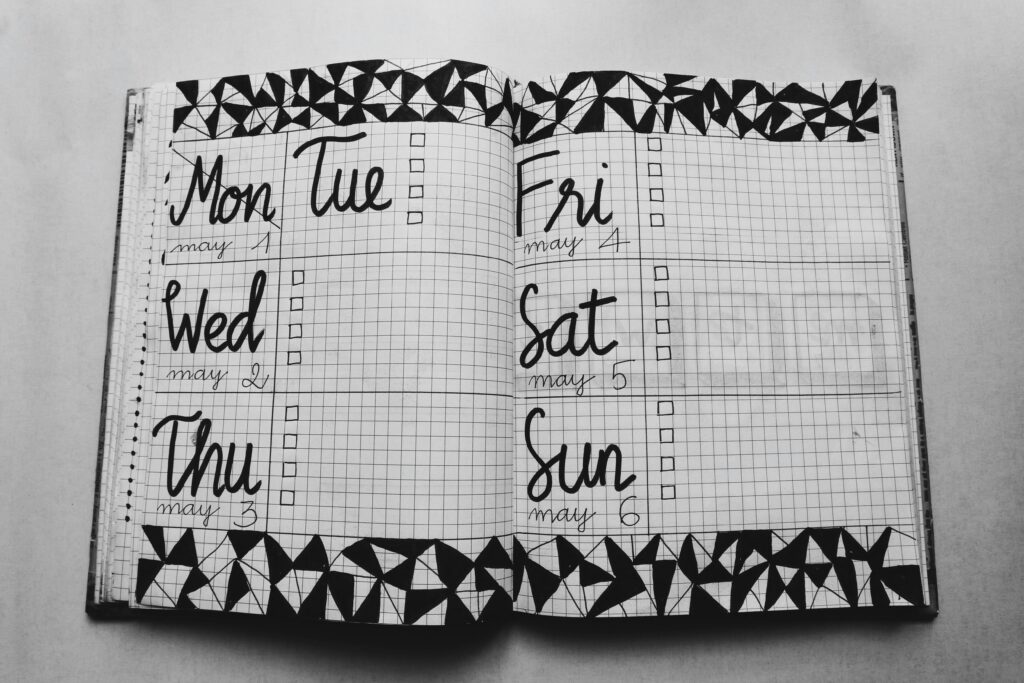
WEEK 1: FOUNDATION WEEK (Days 1–7)
Goal: Wake up muscles, improve mobility, and build consistency
Day 1: Full Body Activation
-
March in place – 2 minutes
-
Squats – 15 reps
-
Wall push-ups – 10 reps
-
Standing knee raises – 20 reps
-
Stretch – 5 minutes
Focus: Just move. No pressure.
Day 2: Lower Body Basics
-
Bodyweight squats – 20 reps
-
Glute bridges – 15 reps
-
Standing calf raises – 25 reps
-
Light stretching
Your legs carry you through life—respect them.
Day 3: Upper Body Starter
-
Incline push-ups (wall/chair) – 12 reps
-
Arm circles – 30 seconds
-
Shoulder taps – 20 reps
-
Stretch arms and shoulders
Slow and controlled.
Day 4: Core & Balance
-
Standing crunches – 20 reps
-
Plank (knees down) – 20 seconds
-
Bird-dog – 10 each side
A strong core is your body’s anchor.
Day 5: Light Cardio Day
-
Jumping jacks – 30 seconds × 4 rounds
-
High knees (slow) – 30 seconds × 3 rounds
Sweat a little. Smile a lot.
Day 6: Full Body Repeat
Repeat Day 1, but try to improve one thing—more reps or better form.
Day 7: Active Rest Day
-
Gentle stretching
-
Deep breathing
-
Short walk
Rest is progress, not laziness.
WEEK 2: STRENGTH & STAMINA (Days 8–14)
Goal: Build strength and confidence

Day 8: Lower Body Strength
-
Squats – 25 reps
-
Reverse lunges – 10 each leg
-
Wall sit – 30 seconds
Feel the burn. That’s growth.
Day 9: Upper Body Strength
-
Knee push-ups – 12 reps
-
Shoulder taps – 24 reps
-
Arm pulses – 30 seconds
Strong arms support daily life.
Day 10: Core Control
-
Plank – 30 seconds
-
Bicycle crunch – 20 reps
-
Leg raises (bent knees) – 12 reps
Control over speed.
Day 11: Cardio Burn
-
Jumping jacks – 40 seconds
-
March or jog in place – 40 seconds
Repeat 4 rounds.
Heart stronger. Lungs happier.
Day 12: Full Body Circuit
-
Squats – 15
-
Push-ups – 10
-
Plank – 20 seconds
Repeat 3 rounds.
Day 13: Stretch & Mobility
Long stretching session.
Your body needs kindness too.
Day 14: Progress Check Day
Redo Day 1 workout.
Notice how far you’ve come.
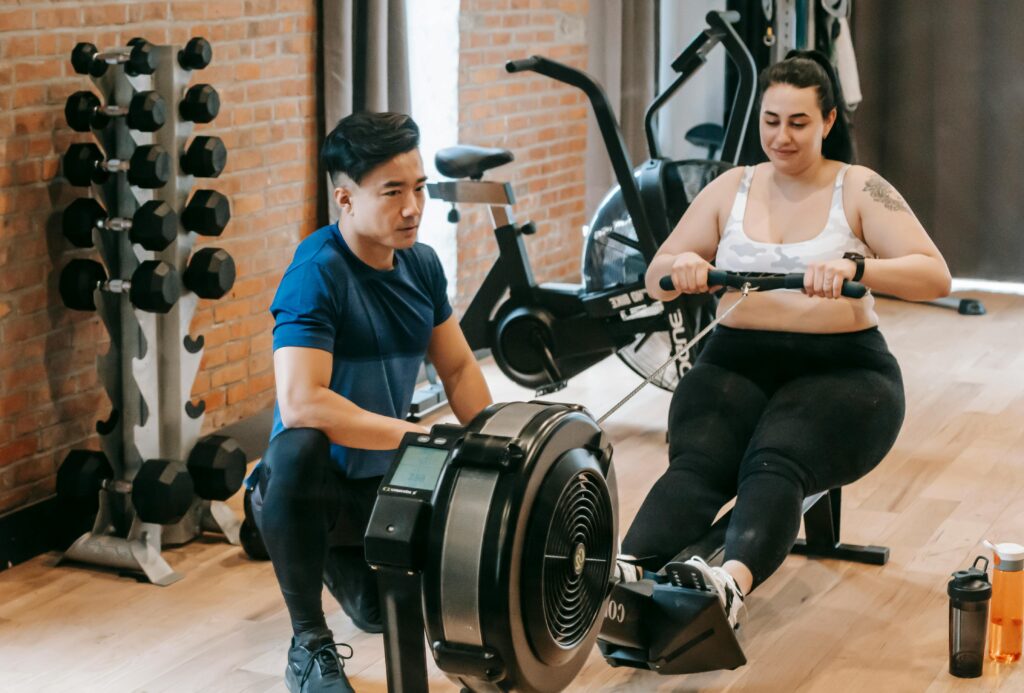
WEEK 3: FAT BURN & ENDURANCE (Days 15–21)
Goal: Increase calorie burn and mental toughness
Day 15: HIIT Introduction
-
Jump squats – 15
-
Mountain climbers – 30 seconds
-
Rest – 30 seconds
Repeat 4 rounds.
Short. Intense. Effective.
Day 16: Lower Body Burn
-
Lunges – 12 each leg
-
Squats – 30 reps
-
Calf raises – 30 reps
Legs = calorie engines.
Day 17: Upper Body Endurance
-
Push-ups – 15
-
Plank shoulder taps – 30
-
Arm holds – 45 seconds
Feel strong. Look strong.
Day 18: Core Focus
-
Plank – 40 seconds
-
Russian twists – 20 reps
-
Heel taps – 20 reps
Strong core, strong posture.
Day 19: Cardio Blast
-
High knees – 40 seconds
-
Jumping jacks – 40 seconds
Repeat 5 rounds.
Sweat tells the story.
Day 20: Full Body Power
-
Squat to reach – 20
-
Push-ups – 12
-
Plank – 30 seconds
Day 21: Active Recovery
Stretch. Walk. Hydrate.
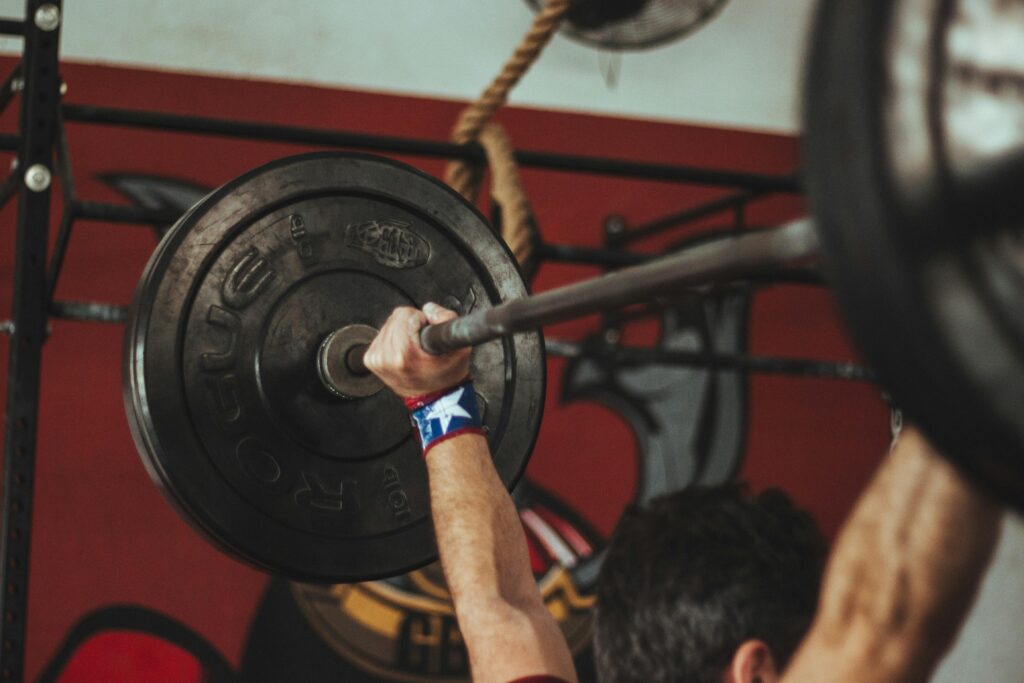
WEEK 4: POWER & CONFIDENCE (Days 22–30)
Goal: Feel unstoppable
Day 22: Strength Challenge
-
Squats – 40
-
Push-ups – 20
-
Plank – 45 seconds
You’re stronger than Day 1.
Day 23: Cardio & Core Combo
-
Mountain climbers – 45 seconds
-
Bicycle crunch – 30 reps
Repeat 4 rounds.
Day 24: Lower Body Power
-
Jump squats – 20
-
Lunges – 15 each leg
-
Wall sit – 45 seconds
Day 25: Upper Body Power
-
Push-ups – 18
-
Shoulder taps – 40
-
Arm hold – 60 seconds
Day 26: Core Mastery
-
Plank – 60 seconds
-
Leg raises – 15
-
Russian twists – 30
Day 27: HIIT Finale
-
Burpees – 10
-
Jumping jacks – 40 seconds
Repeat 5 rounds.
Day 28: Stretch & Reflect
Stretch deeply.
Acknowledge your effort.
Day 29: Full Body Test
Repeat Day 22.
Feel the difference.
Day 30: Victory Day
Light workout + stretching.
Take photos.
Celebrate progress—not perfection.
What 30 Days Really Gives You, Home Workouts
This challenge is not just about weight loss or muscle tone. It gives you:
-
Discipline
-
Confidence
-
A habit that can last years
Thirty days from now, you won’t just look better—you’ll trust yourself more.
And that changes everything.
Conclusion
Home Workout Is a Lifestyle, Not a Trend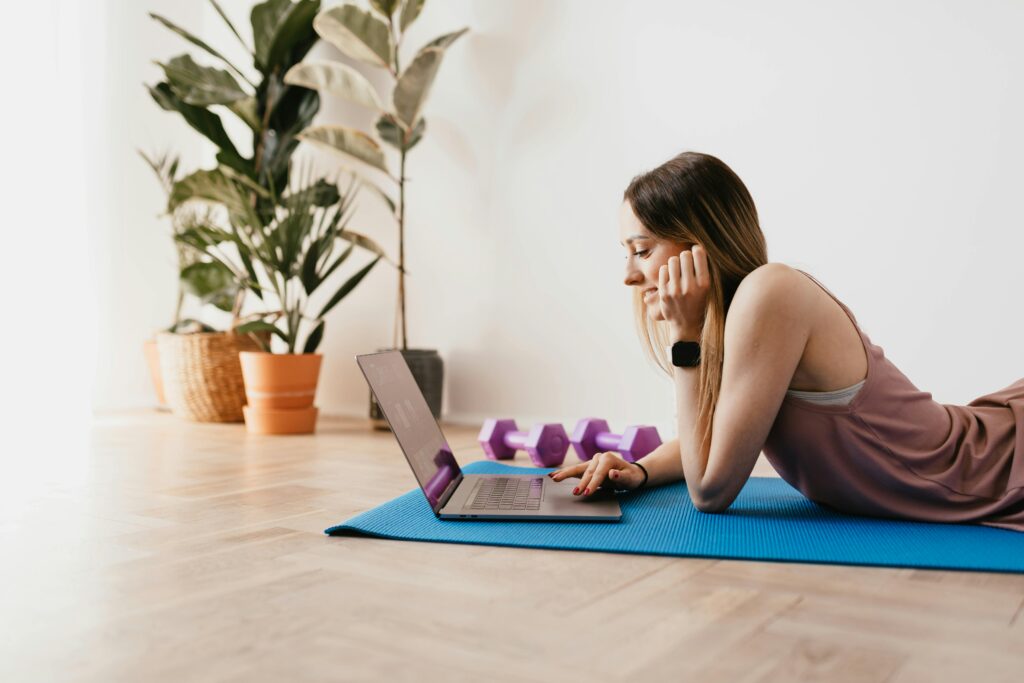
A home workout is freedom.
Freedom from excuses.
Freedom from dependence.
Freedom to train anytime, anywhere.
You don’t need perfect conditions.
You need commitment and patience.
Start small. Stay consistent. Let results speak.
Your home isn’t limiting you.
It’s empowering you.
Home workouts prove one powerful truth: fitness is not a place—it’s a practice. You don’t need fancy equipment, loud gyms, or perfect conditions. You need commitment, patience, and a little space to move.
When you train at home, you train more than your body—you train discipline, confidence, and self-respect. And those gains last forever.
Pingback: Ways To Save Money - Digital Agency