
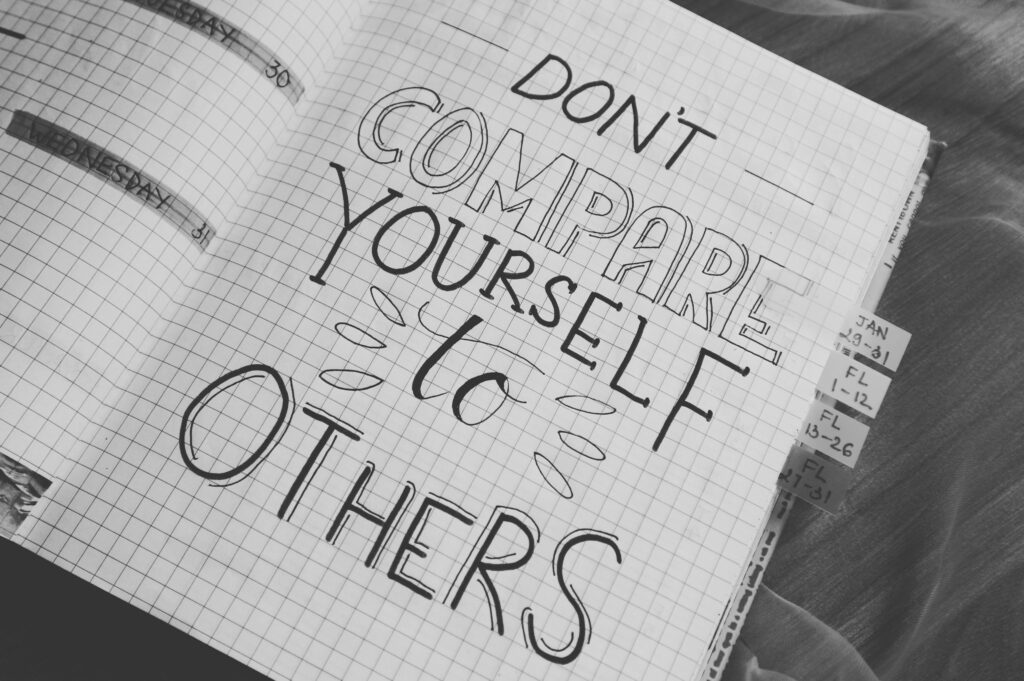
Introduction
Don’t Compare Yourself To Other, In today’s fast-paced world, it has become increasingly common to measure our worth against the accomplishments, appearances, and lifestyles of other people. Social media feeds overflow with curated highlights of people’s lives — luxury vacations, milestone achievements, glowing appearances, and seemingly perfect relationships. While some comparison can inspire self-improvement, constant comparison often leads to feelings of inadequacy, anxiety, and low self-esteem.

The truth is, no two people are on the same path. Everyone has unique circumstances, strengths, weaknesses, opportunities, and challenges. When we compare ourselves to others, we are often comparing our behind-the-scenes to their carefully edited highlight reels. Breaking free from this mindset can significantly improve our mental health, happiness, and personal growth.
This article explores why comparing yourself to others is harmful, how it affects your self-worth, and practical strategies to overcome it. By the end, you’ll have a clearer understanding of how to appreciate your journey and build a life defined by your own standards, not someone else’s.
1. Understanding Why We Compare
Comparison is a natural human behavior. For thousands of years, it helped our ancestors survive — by evaluating others, people could identify threats, learn new skills, and find their place in the social order. In moderation, comparison can still be helpful today. It can motivate us to work harder, improve our skills, or set new goals.
However, in modern society, comparison has shifted from being a survival mechanism to a source of stress. Social media, advertising, and constant connectivity expose us to an unrealistic number of people’s successes. Instead of comparing ourselves to a small group of neighbors or colleagues, we’re comparing ourselves to millions worldwide.
This scale of comparison is overwhelming. We are no longer competing with just the person next door — we’re seeing billionaires, movie stars, athletes, and influencers daily. This creates unrealistic standards and constant pressure to measure up.
2. The Hidden Costs of Comparing Yourself to Others
2.1 Loss of Self-Esteem
When you constantly compare yourself to others, you start to feel as though you are not good enough. You might think: “Why am I not as successful? Why don’t I look like that? Why am I not as happy?” This self-questioning erodes your self-esteem over time, making it harder to feel proud of your own achievements, Don’t Compare Yourself To Other.
2.2 Reduced Motivation
While a small amount of comparison can inspire motivation, too much of it can have the opposite effect. You may feel so overwhelmed by others’ success that you stop trying altogether. This paralysis happens because the gap between where you are and where others seem to be looks insurmountable.

2.3 Anxiety and Stress
Comparison can lead to constant worry about your performance, image, and life choices. You start living under the pressure of someone else’s expectations, rather than your own. This stress can manifest as insomnia, irritability, or even depression.
2.4 Damaged Relationships
Comparison can also harm your relationships. Jealousy and resentment can creep in when you feel others are “ahead” of you. Instead of celebrating their achievements, you may secretly feel bitter, creating emotional distance between you and the people you care about.
3. The Illusion of Perfection on Social Media, Don’t Compare Yourself To Other
One of the biggest drivers of unhealthy comparison is social media. Platforms like Instagram, Facebook, TikTok, and LinkedIn are filled with highlight reels — photos and updates carefully chosen to show only the best parts of someone’s life. Rarely do people post about their failures, insecurities, or ordinary days.
This creates a distorted reality. You may be comparing your entire life, including its struggles, to someone else’s best 5%. That’s an unfair comparison. Even the people who seem happiest and most successful have problems you don’t see — health issues, financial worries, family struggles, or self-doubt.
Recognizing this illusion is key. When you scroll through social media, remind yourself that you are seeing a performance, not reality. Just like a movie shows only the final cut, social media shows only the final image.
4. Why Your Journey is Unique
No two people have the same starting point, talents, or opportunities. Some may grow up with supportive families and financial resources; others face hardships from an early age. Some have natural skills in sports, art, or business; others must develop them over time.
Expecting your life to match someone else’s ignores these differences. It’s like comparing a mango tree to a rose bush — they are both beautiful, but they grow differently, bloom in different seasons, and bear different fruits.
Your journey is shaped by your own values, experiences, and goals. The more you focus on your path, the less you will feel pressured to live up to someone else’s.
5. How Comparison Steals Your Joy
Comparing yourself to others takes your focus away from what you have and puts it on what you lack. This shift in focus leads to feelings of scarcity, making you blind to your achievements and blessings.
For example, you might have a stable job, loving family, and good health, but if you see someone traveling the world on social media, you may feel your life is dull. The reality is, that person may envy your stability and support system while facing struggles you can’t see.
Gratitude is a powerful antidote to this mindset. When you actively appreciate what you have, you’ll find that your sense of contentment grows and comparison loses its grip.
6. Strategies to Stop Comparing Yourself to Others
Here are practical steps you can take to free yourself from the comparison trap: First, learn to be self-reliant, read as many books as possible, and speak only to the point, and give accurate answers. Keep revising yourself, think carefully before answering each question.

6.1 Practice Self-Awareness
Start noticing when you compare yourself to others. Is it when you’re scrolling on social media? Talking with certain people? Feeling tired or insecure? Awareness is the first step to breaking the habit.
6.2 Limit Social Media Exposure
You don’t have to quit social media completely, but consider reducing your time on it or curating your feed to include more uplifting, realistic content. Unfollow accounts that make you feel inadequate and follow ones that inspire gratitude or personal growth instead.
6.3 Celebrate Your Wins
Keep a journal of your achievements, no matter how small. Writing them down helps you see your progress and value yourself for what you have accomplished, rather than what you haven’t.
6.4 Practice Gratitude Daily

Don’t compare yourself to others, Each day, list three things you’re grateful for. This simple habit shifts your focus from what you lack to what you already have, reducing the urge to compare.
6.5 Focus on Personal Goals

Instead of setting goals based on others’ achievements, create goals that align with your values and interests. If you’re learning a new skill, measure your progress against where you were last week, not against someone who has practiced for 10 years, Don’t compare yourself to others.
6.6 Develop Self-Compassion
Be kind to yourself when you make mistakes or face setbacks. Remind yourself that everyone struggles — even the people who appear to have it all together. Self-compassion helps you bounce back faster and stay motivated.
6.7 Surround Yourself with Supportive People
Spend time with people who celebrate your successes, encourage your growth, and don’t judge you for being different. Positive social circles reinforce your self-worth and reduce the need to compare.
6.8 Redefine Success
Society often equates success with wealth, fame, or beauty, but those definitions are narrow and external. Take time to define what success means for you — it could be happiness, freedom, creativity, or meaningful relationships. When you live by your own definition, others’ opinions matter less.
7. Comparing Yourself to Your Past Self (A Healthier Alternative)
Instead of comparing yourself to others, compare yourself to who you were yesterday. This shift in perspective turns comparison into a tool for growth, not self-punishment.
Ask yourself:
-
Have I learned something new?
-
Am I kinder than I used to be?
-
Am I moving closer to my goals?
This mindset focuses on progress rather than perfection. It acknowledges that growth is a journey and that small steps matter.
8. Famous People Who Avoided the Comparison Trap
Many successful people emphasize the importance of focusing on your own journey:

-
Oprah Winfrey once said, “Run the race of life at your own pace.” Despite her difficult childhood, she built a career based on her unique strengths rather than copying others.
-
Albert Einstein noted, “Everybody is a genius. But if you judge a fish by its ability to climb a tree, it will live its whole life believing it is stupid.” This quote captures the danger of comparing yourself to others with different talents and Don’t compare yourself to others.
-
J.K. Rowling faced rejection from multiple publishers before “Harry Potter” became a global success. Had she compared herself to other authors and given up, she might never have written her books.
These examples show that greatness often comes from authenticity and persistence, not imitation.
9. Building a Life Defined by You
When you stop comparing yourself to others, you create space to discover who you truly are and what makes you happy. This self-discovery allows you to:
-
Start with Self-Reflection
-
Action: Spend 20–30 minutes writing answers to: What do I care about most? When do I feel alive? What drains me?
-
Quick prompt: “If money and approval didn’t matter, what would I do tomorrow?”
-
-
Identify Your Core Values
-
Action: Choose 5 values (e.g., honesty, freedom, creativity, family, growth).
-
Use them as a filter for decisions: does this opportunity align with at least one core value?
-
-
Create a Personal Vision Statement
-
Action: Write 1–3 sentences describing who you want to be and what your life looks like in 3–5 years.
-
Keep it stable but revisable — a guiding north star, Don’t compare yourself to others.
-
-
Set Value-Aligned Goals
-
Action: Turn the vision into 3–6 concrete goals (career, health, relationships, skills).
-
Make each goal SMART (Specific, Measurable, Achievable, Relevant, Time-bound).
-
-
Break Goals into Small, Daily Steps
-
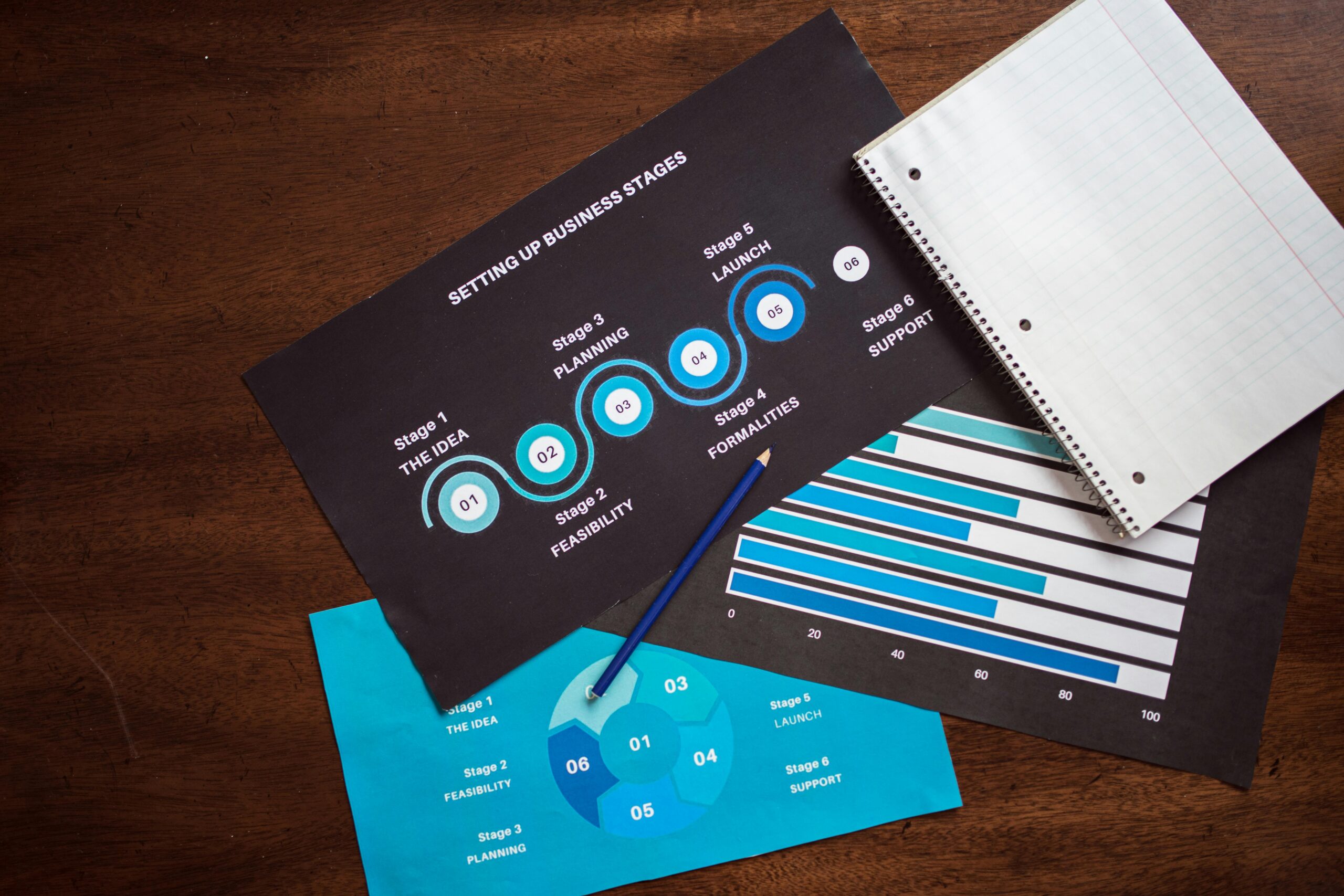
Action: For each goal, list 2–3 tiny habits you can do daily or weekly (e.g., 15 minutes practice, one networking message/week).
-
Focus on consistency over perfection.
-
-
Design Your Daily Routine Around Priorities
-
Action: Build a simple routine that protects time for your top priorities (morning ritual, focused work block, evening wind-down).
-
Block calendar time and treat it like a non-negotiable appointment.
-
-
Create Boundaries That Protect Your Energy
-
Action: Decide what you’ll say “no” to (overcommitting, toxic conversations, excessive screen time).
-
Practice short scripts: “I can’t take this on right now,” or “I need to focus on X.”
-
-
Curate Your Environment
-
Action: Remove visual/mental clutter. Keep items that support your goals (books, tools, reminders).
-
Make your space inspiring and functional for the life you want.
-
-
Choose Relationships That Reflect Your Values
-
Action: Identify people who uplift and challenge you positively. Spend more time with them; gently distance from draining influences, Don’t compare yourself to others.
-
Seek mentors and peers who model the life you respect, Don’t compare yourself to others.
-
-
Adopt a Growth Mindset
-
Action: Reframe setbacks as feedback. After a setback, write: What did I learn? What’s one next step?
-
Celebrate iteration and curiosity over perfection.
-
-
Manage Money to Support Your Choices
-
Action: Make a simple budget that directs resources toward your values (saving for experiences, investing in learning).

-
Cut small recurring expenses that don’t add value to your vision.
-
-
Limit Comparison, Use Inspiration Instead
-
Action: When you notice comparing yourself, ask: “What can I learn from this person?” then refocus on your next step.
-
Curate your feeds and social exposure to reduce envy triggers.
-
-
Experiment Regularly
-
Action: Try new things in short bursts (30–90 days): hobbies, side projects, volunteer roles. Assess what fits and keep what matters.
-
Treat experiments as low-stakes data gathering about what truly satisfies you.
- You will always have this feeling that you are something or like them but you Don’t compare yourself to others.
-
-
Celebrate Small Wins & Track Progress
-
Action: Keep a simple log of wins (daily or weekly). Reward progress with small treats that align with your values.
-
Review monthly to see momentum and adjust plans.
-
-
Review, Reflect, and Adjust
-
Action: Every 3 months, revisit your vision, values, and goals. Ask: Am I living the life I intended? What needs to change?
-
Make small course corrections rather than waiting for big, stressful shifts.
-
-
Pursue goals aligned with your values
-
Enjoy your achievements without guilt
-
Form healthier relationships based on mutual support
-
Experience greater peace of mind and confidence
It’s not about ignoring other people completely. You can still admire, learn from, and be inspired by others. The difference is that you’re doing it without judgment or self-criticism.
10. Daily Practices to Strengthen Your Mindset
Here’s a simple daily routine to help you break free from comparison:
-
Morning Affirmations: Start your day by affirming your worth (“I am enough as I am. I am on my own journey.”).
-
Mindful Social Media Use: Before opening an app, ask yourself if you’re in the right mindset. If you’re feeling vulnerable, skip it.
-
Goal Check-Ins: Focus on your progress toward your personal goals,Don’t compare yourself to others.
-
Evening Gratitude List: End your day by writing down three things you’re grateful for.
Doing these small practices consistently rewires your brain to focus on self-acceptance and growth. Don’t compare yourself to others.
11. The Role of Patience and Persistence
Don’t compare yourself to others, Another reason people compare themselves is impatience. We want success quickly, but growth takes time. When you see someone else ahead, you may feel like you’re “behind.” In reality, you’re simply at a different stage.
Think of a marathon. Some runners start fast, others slow, but the race is long and the finish line is personal. Your timing is your own. Trust your pace and stay consistent.
12. Teaching the Next Generation
It’s especially important to teach children and teenagers not to compare themselves to others. They are growing up in a world where social media sets unrealistic expectations from an early age. By modeling self-acceptance and emphasizing effort over comparison, we can help them build healthier self-esteem So Don’t Compare Yourself To Other.

Encourage young people to celebrate their individuality, pursue their interests, and appreciate their progress. This creates a ripple effect that benefits society as a whole.
Teaching the next generation is more than passing on information; it is shaping the values, skills, and mindsets that will define the future. Every society depends on how well it prepares its young people to think critically, act responsibly, and adapt to a rapidly changing world. Whether you are a parent, teacher, mentor, or community leader, you have a role in this process.
Why It Matters
The children and young adults of today will become the decision-makers, innovators, and caretakers of tomorrow. The lessons we teach them now—both directly and by example—Don’t compare yourself to others, will ripple outward for decades. If we teach them only facts but not empathy, they may grow up highly skilled but disconnected from others. If we teach them how to think but not how to act ethically, they may succeed at the expense of the common good. True teaching means nurturing the whole person: knowledge, character, and purpose.
Core Areas to Emphasize
-
Values and Ethics
Teaching honesty, compassion, respect, and responsibility gives young people an inner compass. In a world of constant change, values remain a stable guide. -
Critical Thinking and Curiosity
Don’t compare yourself to others, Information is everywhere. What matters now is teaching how to question, evaluate, and apply it. Encouraging curiosity and skepticism helps children avoid misinformation and think for themselves. -
Practical Life Skills
Alongside academic learning, young people need skills like financial literacy, digital citizenship, time management, and communication. These help them function independently and confidently. -
Resilience and Growth Mindset
Failure is inevitable in any meaningful pursuit. By modeling persistence, reframing mistakes as learning, and praising effort over talent, adults can help the next generation build resilience. -
Creativity and Innovation
Future challenges will require solutions we cannot yet imagine. Providing opportunities for experimentation, art, and problem-solving nurtures creativity. -
Diversity and Global Awareness
Today’s young people are growing up in an interconnected world. Teaching them to appreciate different cultures, perspectives, and identities fosters empathy and cooperation.
How to Teach Effectively
-
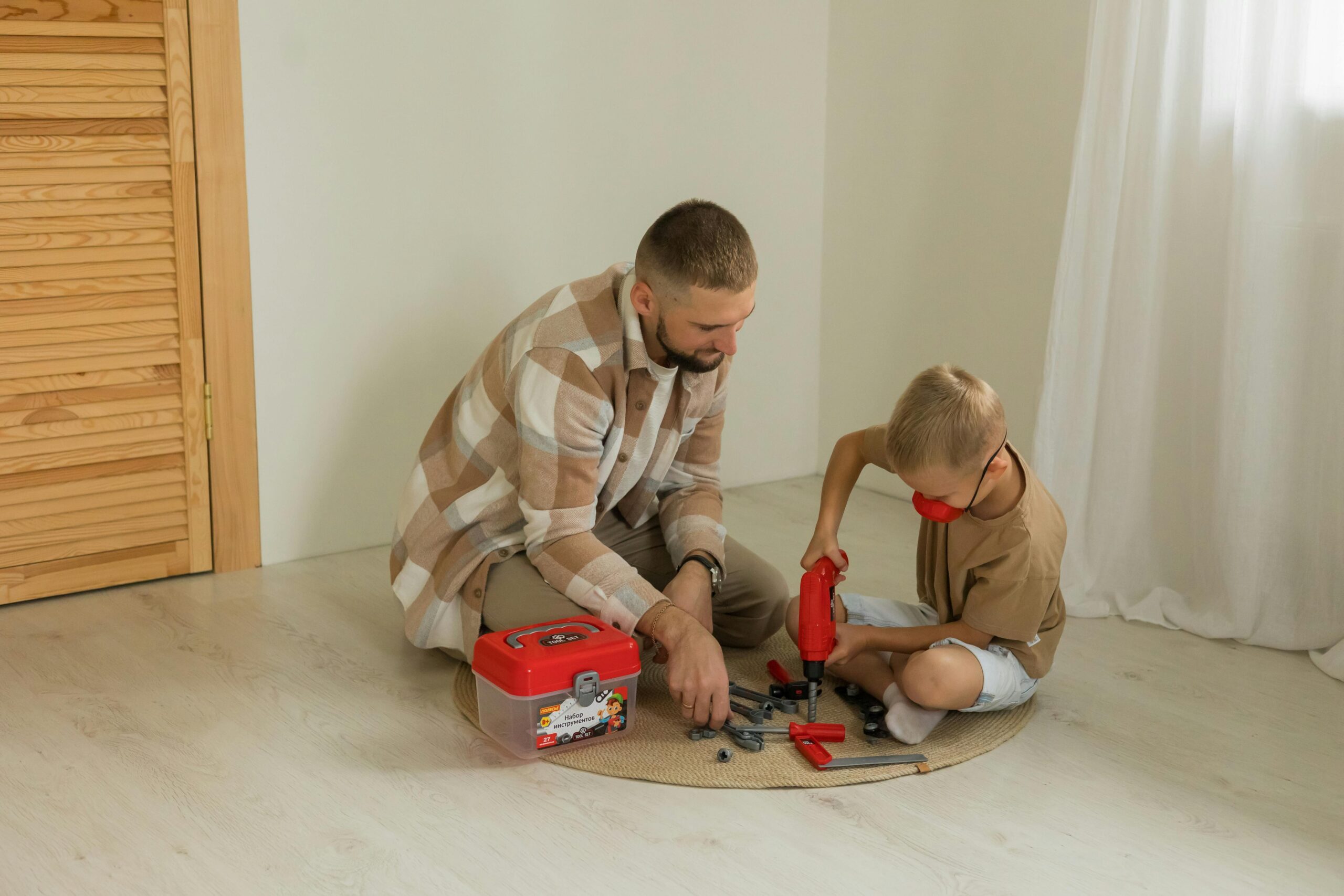
Lead by Example: Children learn more from what you do than what you say. Model the behaviors, attitudes, and habits you want them to adopt.
-
Create Safe Spaces to Learn: Encourage questions without fear of judgment. Let mistakes become part of the learning process.
-
Use Stories and Real-Life Applications: Stories capture attention and make abstract lessons memorable.
-
Encourage Participation: Give young people roles and responsibilities in family, school, or community projects so they can practice leadership and teamwork.
-
Stay Updated: Technology and culture shift quickly. Adults need to keep learning so they can guide young people with current knowledge and tools.
The Role of Community
Teaching is not confined to classrooms. Communities, workplaces, religious groups, and online spaces all influence the next generation. Mentorship programs, volunteering opportunities, and youth initiatives can give them real-world experience and a sense of belonging, Don’t compare yourself to others.
Long-Term Impact
When we teach the next generation with care, we invest in a more just, creative, and sustainable future. A child taught to think critically may become a leader who makes fair policies. A teenager taught empathy may grow into an adult who builds inclusive workplaces. A young person who learns to value the planet may innovate ways to protect it.
Conclusion
Don’t compare yourself to others, Teaching the next generation is not a single act but an ongoing commitment. It requires patience, consistency, and humility. We may never see the full results of our efforts, but every lesson, conversation, and example plants seeds. By focusing on values, skills, and critical thinking, we equip young people not just to survive, but to thrive—and to shape a world better than the one they inherited.
13. Turning Comparison Into Inspiration
Don’t Compare Yourself To Other, Completely avoiding comparison may be impossible, but you can transform it. Instead of using comparison to judge yourself, use it to learn. Ask yourself:

-
What can I learn from this person’s success?
-
How can their journey inspire me without making me feel small?
This mindset shifts you from envy to curiosity. You see others as teachers, not competitors.
Conclusion
“Don’t compare yourself to others” is more than a motivational phrase — it’s a powerful principle for living a happier, healthier life. By understanding why comparison happens, recognizing its costs, and practicing strategies to overcome it, you can free yourself from the trap of measuring your worth against someone else’s, Don’t compare yourself to others.
Don’t Compare Yourself To Other, because Your life is a unique journey So Don’t Compare Yourself To Other. The only fair comparison is between who you were yesterday and who you are today. Focus on your progress, celebrate your achievements, and trust your path. In doing so, you’ll find greater joy, confidence, and peace of mind — and that’s a success no one can take away from you, Don’t compare yourself to others.
Pingback: Stay Positive - Funday