
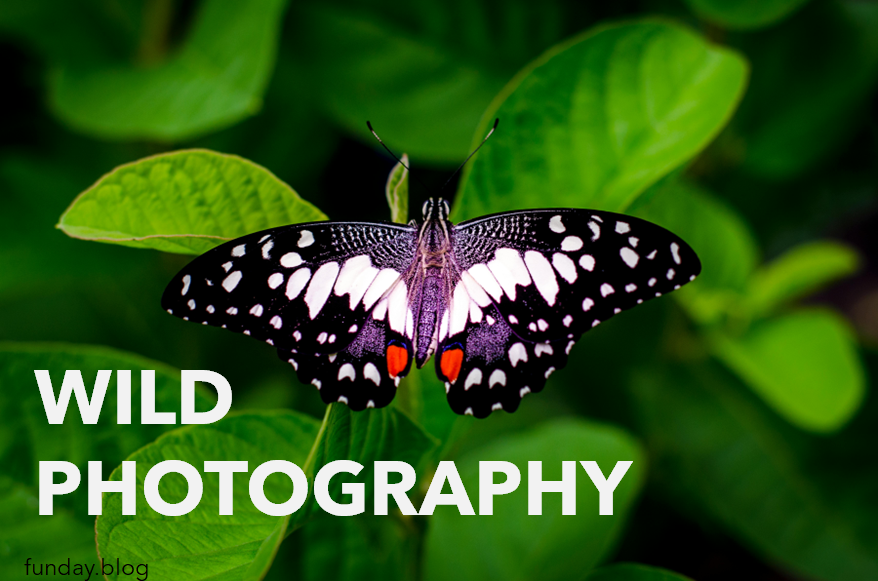
Wild Photography:
The Art of Capturing Nature’s Untamed Beauty
Introduction
Wild photography, often called wildlife photography, is one of the most thrilling and rewarding forms of photography. It combines patience, adventure, technical skill, and a deep respect for nature.
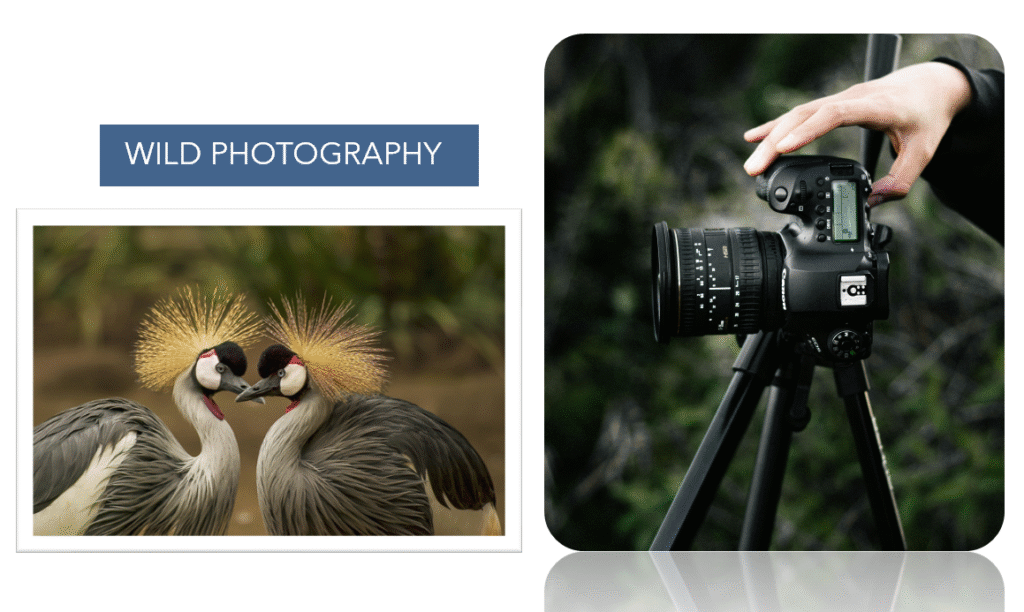
From the silent movement of a tiger through the forest to the graceful flight of birds across a golden sunset, wild photography captures moments that show the raw beauty of the natural world. These images not only inspire people but also play a major role in wildlife conservation and environmental awareness.
Wild photography is more than just taking pictures of animals. It is about storytelling, understanding animal behavior, respecting ecosystems, and waiting for the perfect moment when nature reveals its magic. In this blog, we will explore everything about wild photography—from its meaning and history to equipment, techniques, ethics, and career opportunities.
What is Wild Photography?
Wild photography is the practice of photographing animals, birds, insects, and other living creatures in their natural habitats. Unlike zoo photography or staged animal portraits, wild photography focuses on capturing wildlife in real, uncontrolled environments such as forests, deserts, mountains, rivers, and oceans.
The goal of wild photography is not only to document animals but also to capture their natural behavior. This includes hunting, flying, running, feeding, interacting with other animals, or caring for their young.
Wild photographers often spend hours, days, or even weeks waiting for a single perfect moment. Sometimes the animal may never appear, but when it does, the photographer must be ready to capture the scene instantly.
It is both an art form and a scientific documentation method that helps people understand wildlife better.
The History of Wild Photography
Wild Photography, In the early days of photography during the 19th century, cameras were large and difficult to transport. Because of this, photographing animals in the wild was extremely challenging.
Early photographers relied on heavy equipment and slow exposure times. Capturing moving animals was almost impossible. Most early wildlife photographs were taken of animals that were resting or trapped.
As technology improved, cameras became smaller, faster, and more portable. By the early 20th century, photographers started exploring forests and remote areas to capture animals in their natural environments.
The development of telephoto lenses allowed photographers to capture animals from a safe distance without disturbing them.
Today, wildlife photography is practiced by professionals, hobbyists, conservationists, and travelers around the world.
Why Wild Photography is Important
Wild photography is not just about beautiful pictures. It serves many important purposes.
1. Wildlife Conservation
Photographs of endangered animals help raise awareness about conservation. Powerful images can inspire people to protect forests, oceans, and wildlife habitats.
2. Environmental Education
Wildlife photos teach people about different species, their behaviors, and their ecosystems. Many people learn about animals through photographs before seeing them in real life.
3. Scientific Documentation
Researchers and scientists use wildlife photographs to study animal behavior, migration patterns, and habitat conditions.
4. Inspiring Future Generations
A powerful wildlife image can inspire young people to explore nature and become conservationists or photographers.
5. Tourism Promotion
Wildlife photography helps promote eco-tourism and national parks. Tourists often visit places after seeing stunning images of wildlife.
Essential Equipment for Wild Photography
To capture stunning wildlife images, photographers need reliable equipment that can perform well in challenging environments.
1. Camera
A good camera with fast autofocus and high burst shooting speed is ideal for wildlife photography. Animals move quickly, so the camera must capture multiple frames per second.
Features to look for include:
-
Fast autofocus system
-
High ISO performance
-
Continuous shooting mode
-
Durable body for outdoor conditions
2. Telephoto Lens
Wild animals usually cannot be approached closely.
Common wildlife lenses include:
-
200mm
-
300mm
-
400mm
-
600mm
Longer lenses allow better close-up images without disturbing animals.
3. Tripod or Monopod
A tripod provides stability when using heavy lenses. A monopod is lighter and useful for moving quickly in forests or grasslands.
4. Camera Bag
Wildlife photographers travel long distances, so a strong waterproof camera bag is essential for protecting equipment.
5. Memory Cards and Batteries
Wild photography often involves shooting hundreds or thousands of images. Extra batteries and memory cards are necessary for long trips.
6. Camouflage Gear
Neutral-colored clothing helps photographers blend into the environment so animals are less likely to notice them.
Best Locations for Wild Photography
Some environments are especially popular.
Forests
Forests are home to many mammals, birds, reptiles, and insects. Dense vegetation provides dramatic backgrounds and lighting conditions.
National Parks
Protected wildlife areas are ideal places for photography because animals live freely and are protected from hunting.
Grasslands
Mountains
Wetlands
Wetlands are perfect for bird photography. Many migratory birds gather near lakes, rivers, and marshes.
Oceans and Coastal Areas
Techniques for Great Wild Photography
Capturing wildlife images requires more than good equipment. Photographers must develop strong technical and observational skills.
1. Patience
Patience is the most important skill. Animals may appear suddenly or after many hours of waiting.
2. Understanding Animal Behavior
Knowing when animals hunt, feed, or migrate helps photographers predict the right moment for a photograph.
3. Fast Shutter Speed
Wild animals move quickly.
4. Continuous Shooting Mode
Burst mode allows photographers to capture multiple images quickly, increasing the chances of getting the perfect shot.
5. Natural Lighting
Early morning and late evening provide the best lighting conditions for wildlife photography.
6. Composition
Good composition makes wildlife images more powerful. Photographers often use techniques such as:
-
Rule of thirds
-
Leading lines
-
Natural framing
-
Background control
Ethical Rules in Wild Photography
Wild photography must always respect animals and their habitats.

Do Not Disturb Animals
Photographers should never chase or stress animals just to capture a photo.
Maintain Safe Distance
Using telephoto lenses allows photographers to keep a safe and respectful distance.
Avoid Flash Photography
Flash can disturb animals, especially nocturnal species.
Protect Natural Habitats
Wildlife photographers must avoid damaging plants, nests, or ecosystems.
Follow Park Regulations
National parks and wildlife reserves have strict rules designed to protect animals.
Challenges in Wild Photography
Wild photography can be difficult and unpredictable.
Weather Conditions
Rain, heat, fog, or strong winds can make photography challenging.
Unpredictable Animals
Animals may move quickly or hide, making it difficult to capture good shots.
Long Waiting Time
Photographers may wait hours or days for a single moment.
Physical Demands
Wildlife photography often requires hiking long distances in remote areas.
Editing Wildlife Photos
Post-processing is an important step in modern photography. Editing software helps photographers improve their images while maintaining natural appearance.
Common editing adjustments include:
-
Exposure correction
-
Color balance
-
Cropping
-
Noise reduction
-
Sharpening
However, ethical wildlife photographers avoid excessive editing that changes the reality of the scene.
Career Opportunities in Wild Photography
Wild photography can become a rewarding career.

Possible career paths include:
Wildlife photographer
Nature magazine contributor
Documentary filmmaker
Conservation photographer
Travel photographer
Photography workshop instructor
Photographers often sell their work to magazines, websites, wildlife organizations, and stock photo platforms.
Tips for Beginners
If you are new to wild photography, start with simple steps.
-
Practice photographing birds or animals near your home.
-
Learn your camera settings well.
-
Study animal behavior.
-
Visit national parks or wildlife sanctuaries.
-
Join wildlife photography communities.
-
Always respect nature.
The Future of Wild Photography
Technology continues to transform wildlife photography. New camera systems, drones, motion sensors, and remote cameras allow photographers to capture wildlife in ways that were impossible in the past.
Artificial intelligence is also helping photographers organize and enhance their images.
At the same time, the importance of wildlife photography is growing because many species are facing threats from habitat destruction, climate change, and pollution.
Wild photographers are becoming storytellers and environmental advocates who help protect nature through powerful visual narratives.
Wild Photography – Chapter 2
Exploring the Depth of Wildlife Photography
Wild Photography, In the first part, we explored the basics of wild photography, its importance, equipment, and fundamental techniques. Now we will dive deeper into the world of wildlife photography, exploring advanced techniques, famous wildlife environments, storytelling through photography, safety tips, and how photographers can build a strong identity in the field.
Wild photography is not just about taking a picture of an animal. It is about documenting the untold stories of nature. Every forest, river, desert, and mountain hides thousands of stories waiting to be captured by a patient photographer.
Understanding Animal Behavior
Wild Photography, One of the most important skills for a wildlife photographer is the ability to understand animal behavior. Without this knowledge, capturing meaningful photographs becomes extremely difficult.
Animals follow certain patterns based on their environment, food sources, and natural instincts. Observing these patterns helps photographers predict the right moment for a photograph.
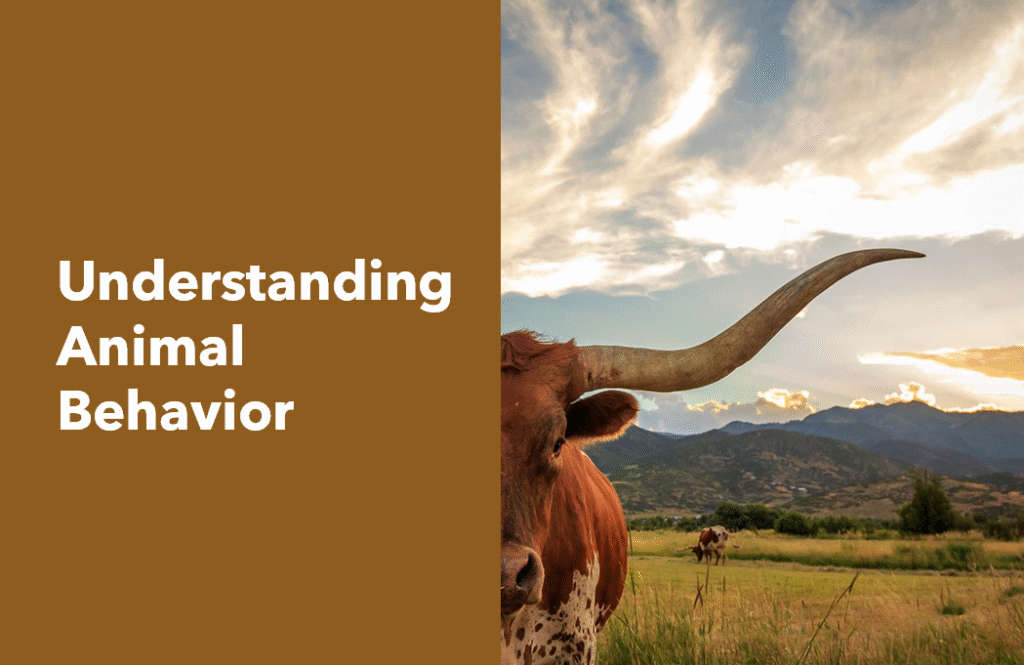
For example, many animals are most active during early morning and late evening. These periods are often called golden hours in photography because the lighting is soft and warm. During these hours, photographers can capture animals while they hunt, search for food, or interact with other members of their species.
Birds often follow regular feeding routines. If a photographer observes their behavior carefully, it becomes easier to capture them during flight or while feeding their chicks.
Understanding behavior also helps photographers stay safe and avoid disturbing wildlife.
The Role of Light in Wild Photography
Lighting plays a crucial role in wildlife photography. Natural light can dramatically change the mood, tone, and impact of a photograph.
Golden Hour
Golden hour occurs shortly after sunrise and just before sunset. During this time, sunlight is soft and warm, creating beautiful colors and gentle shadows. Many wildlife photographers prefer this time because animals are active and the lighting enhances their features.
Blue Hour
Blue hour occurs before sunrise or after sunset. During this time, the sky has a deep blue tone, creating a dramatic atmosphere. Photographs taken during blue hour often feel mysterious and artistic.
Midday Light
Midday sunlight is strong and creates harsh shadows. However, skilled photographers can still use it creatively, especially when photographing animals in open landscapes.
Backlighting
Backlighting occurs when the light source is behind the subject. This technique can create silhouettes or glowing outlines around animals, adding a dramatic effect.
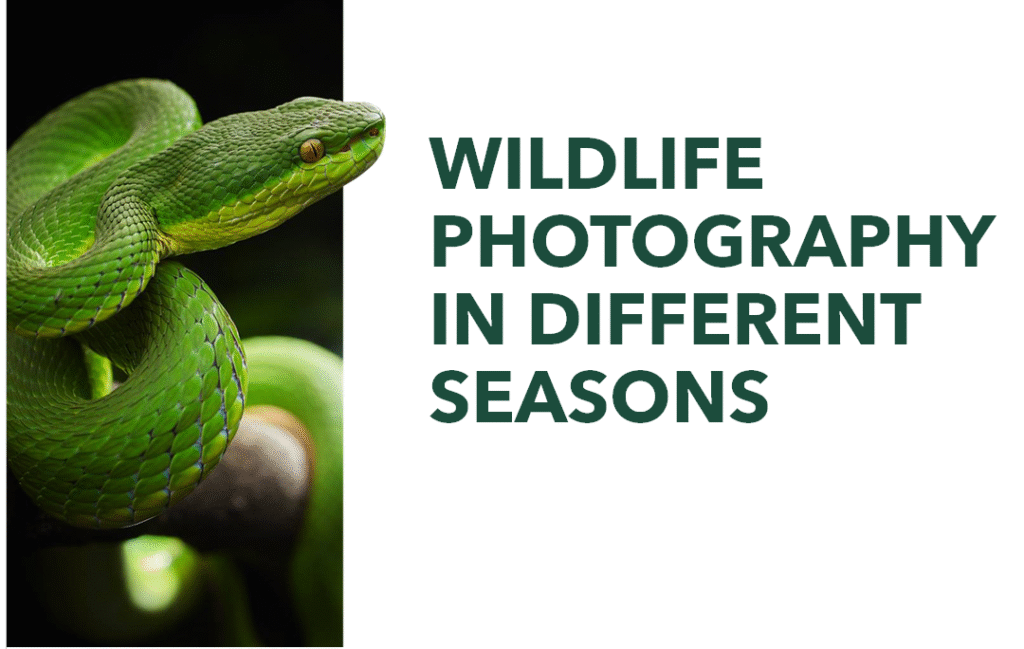
Wildlife Photography in Different Seasons
Every season offers unique opportunities for wildlife photography.
Spring
Spring is a season of new life. Many animals give birth during this time, and photographers can capture moments of young animals exploring the world. Flowers bloom, insects become active, and birds begin nesting.
Summer
During summer, animals are often more visible near water sources. Rivers, lakes, and wetlands become excellent locations for wildlife photography.
Summer also offers long daylight hours, allowing photographers more time to explore nature.
Autumn
Autumn provides beautiful colors as leaves change shades of red, orange, and yellow. These natural backgrounds make wildlife images more visually appealing.
Many animals also prepare for winter during autumn, which creates interesting behavioral moments.
Winter
Winter photography can be challenging but extremely rewarding. Snow-covered landscapes create stunning backgrounds. Animals such as deer, foxes, and winter birds stand out beautifully against white environments.
Storytelling Through Wildlife Photography
A powerful wildlife photograph tells a story. Instead of simply capturing an animal standing still, photographers aim to capture moments that communicate emotion, action, or interaction.
For example:
-
A bird feeding its chicks
-
A predator stalking its prey
-
Two animals competing for territory
-
A herd migrating across a landscape
-
A mother protecting her young
These moments create powerful visual narratives that connect viewers emotionally with wildlife.
Storytelling also involves capturing the environment. Showing animals within their habitat helps viewers understand the relationship between wildlife and their ecosystems.
Wildlife Photography Composition Techniques
Composition determines how elements appear inside a photograph. A well-composed image feels balanced, natural, and visually engaging.
Rule of Thirds
This technique divides the image into nine equal sections. Placing the subject along these lines or intersections creates a balanced composition.
Eye-Level Perspective
Photographing animals at eye level creates a stronger connection between the subject and the viewer.
Background Control
A clean background helps the subject stand out clearly. Photographers often adjust their position to remove distractions.
Framing
Natural elements like branches, leaves, or rocks can frame the animal and guide the viewer’s attention.
Negative Space
Leaving empty space around the subject can create a powerful artistic effect.
Patience: The Hidden Skill of Wildlife Photographers
Patience is the most underestimated skill in wildlife photography. Many of the most famous wildlife images were captured after hours or even days of waiting.
A photographer may sit quietly in a forest or near a waterhole, observing nature and waiting for the perfect moment. Sometimes animals appear suddenly and disappear just as quickly.
Patience also means accepting failure. Not every trip results in perfect photographs. However, each experience teaches photographers more about nature and improves their skills.
Safety Tips for Wildlife Photographers
Wild photography can involve unpredictable situations, so safety is extremely important.
Maintain Distance
Photographers must never approach wild animals too closely. Animals may feel threatened and react aggressively.
Stay Calm
Sudden movements can scare animals. Moving slowly and calmly reduces risk.
Avoid Dangerous Situations
Certain animals are extremely dangerous, especially if they feel their territory is threatened.
Travel With Guides
In unfamiliar areas, it is wise to travel with experienced guides who understand local wildlife behavior.
Be Prepared
Carrying essentials like water, first-aid kits, and navigation tools is important when exploring remote environments.
The Emotional Connection with Nature
Wildlife photography often creates a deep emotional connection between photographers and nature.
Spending time in forests, mountains, and rivers allows photographers to experience the natural world in ways that many people never do. The sounds of birds, the movement of leaves in the wind, and the quiet presence of animals create unforgettable moments.
Many wildlife photographers develop strong respect for nature and become advocates for environmental protection.
They understand that protecting wildlife habitats is essential for the survival of many species.
Building a Portfolio in Wildlife Photography
A strong portfolio is essential for photographers who want to grow professionally.
A wildlife photography portfolio should include a variety of images such as:
-
Animal portraits
-
Action shots
-
Habitat images
-
Bird photography
-
Macro wildlife photography
-
Environmental storytelling images
Quality is more important than quantity. A small collection of powerful images can have greater impact than hundreds of average photographs.
Photographers often share their work on websites, social media platforms, photography communities, and exhibitions.
Wildlife Photography Competitions
Many international photography competitions celebrate wildlife photography and provide opportunities for photographers to showcase their work.
These competitions encourage creativity and raise awareness about wildlife conservation.
Winning or participating in such competitions can help photographers gain recognition and build their careers.
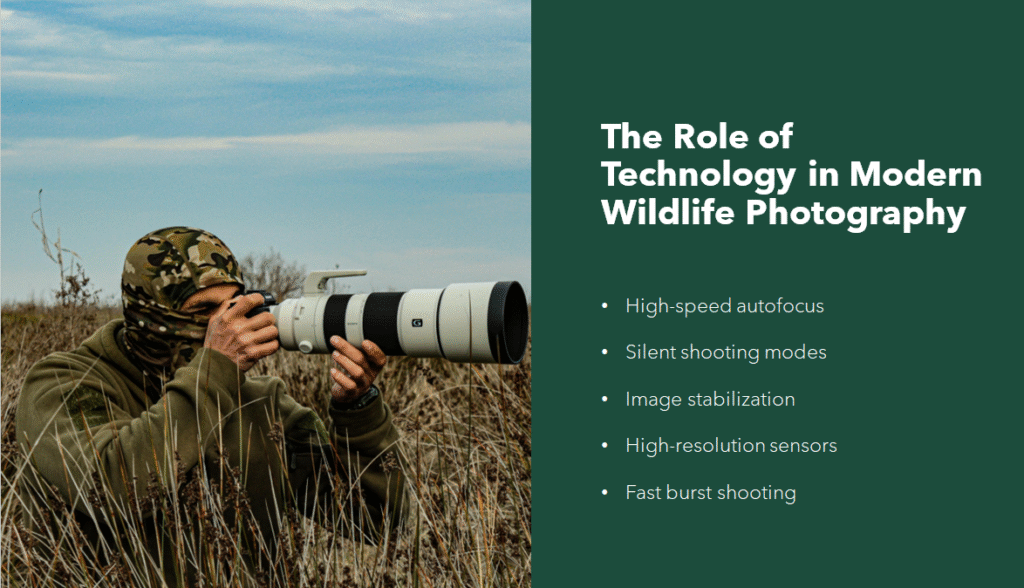
The Role of Technology in Modern Wildlife Photography
Technology has significantly changed the way wildlife photography is practiced.
Modern cameras have advanced features such as:
Drones are also being used in certain situations to capture aerial wildlife images without disturbing animals.
Remote camera traps allow photographers to capture rare animals that are difficult to approach.
These cameras are triggered automatically when motion is detected.
Wildlife Photography and Conservation Awareness
Wildlife photography plays an important role in environmental protection. Powerful images can show the beauty of nature as well as the threats facing wildlife.
Photographs of endangered animals often motivate people to support conservation organizations.
Many wildlife photographers work closely with environmental groups to document habitat loss, climate change, and endangered species.
Their work helps spread awareness and encourages people to protect nature.
Wildlife Photography as a Passion and Career
For many people, wildlife photography begins as a hobby but eventually becomes a lifelong passion. Some photographers turn their passion into a career by selling prints, publishing books, conducting workshops, or working with nature magazines.
Wild photography may not always be easy, but it offers something unique—the opportunity to experience nature closely and share its beauty with the world.
Each photograph becomes a record of a moment that may never happen again.
Wild Photography – Chapter 3
Advanced Techniques, Rare Wildlife, and the Future of Nature Photography
Wild photography is a never-ending learning journey. As photographers gain experience, they begin to explore deeper techniques, rare wildlife environments, and more creative approaches to capturing animals in their natural world. In this part, we will explore advanced wildlife photography skills, special photography styles, night wildlife photography, bird photography, and the future of wildlife imagery.
Wild photographers are explorers, artists, and storytellers who document the beauty of the natural world through powerful images.
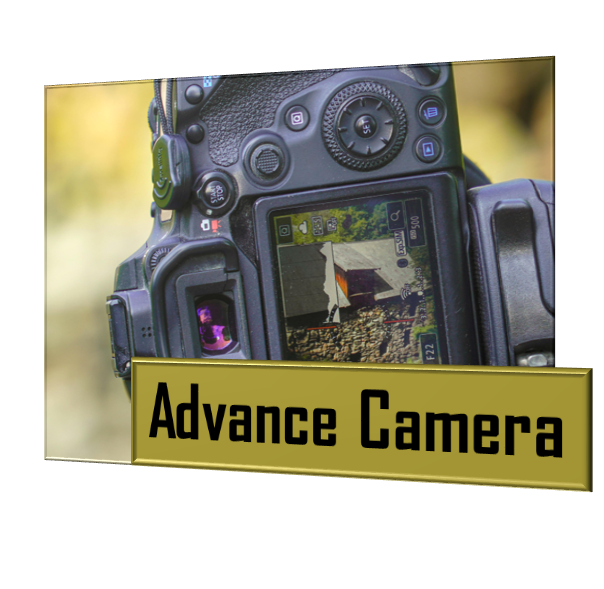
Advanced Camera Settings for Wildlife Photography
Professional wildlife photographers rely heavily on proper camera settings. Because animals move quickly and unpredictably, understanding these settings can make a huge difference in capturing sharp and dramatic images.
Shutter Speed
Shutter speed controls how motion appears in an image. Fast shutter speeds freeze movement, while slow shutter speeds create motion blur.
Wildlife photographers often use fast shutter speeds when photographing animals in motion.
Examples:
-
Birds flying: very fast shutter speed
-
Running animals: fast shutter speed
-
Slow-moving animals: moderate shutter speed
Fast shutter speeds help capture sharp details such as feathers, fur, or splashing water.
Aperture
Aperture controls how much light enters the camera and how much of the image appears in focus.
A wider aperture creates a blurred background, helping the animal stand out clearly from the environment. This effect is commonly used in wildlife portraits.
A smaller aperture allows more of the landscape to remain sharp, which is useful when photographing animals within large natural scenes.
ISO Sensitivity
ISO controls the camera’s sensitivity to light. In low-light environments such as forests or early mornings, photographers may increase ISO to maintain a fast shutter speed.
However, very high ISO settings can introduce noise into the image, so photographers try to balance ISO carefully.
Continuous Autofocus
Animals rarely remain still. Continuous autofocus allows the camera to track moving subjects and maintain focus as they move across the frame.
This feature is extremely helpful when photographing birds in flight or animals running through grasslands.
Bird Photography in the Wild
Bird photography is one of the most popular forms of wildlife photography. Birds are colorful, fast, and often display fascinating behaviors such as flying, diving, hunting, and nesting.
Capturing birds requires quick reflexes and careful planning.
Finding Birds
Birds are commonly found near:
-
Lakes and rivers
-
Forest edges
-
Grasslands
-
Coastal areas
-
Wetlands
Early mornings are usually the best time for bird photography because birds are actively searching for food.
Photographing Birds in Flight
Capturing birds in flight is challenging but extremely rewarding. Photographers must track the bird smoothly while keeping it in focus.
Using continuous shooting mode helps capture multiple frames, increasing the chance of getting the perfect wing position.
Nesting Behavior
Bird nests provide opportunities to photograph feeding behaviors and interactions between parent birds and their chicks. However, photographers must maintain a respectful distance to avoid disturbing the birds.
Macro Wildlife Photography
Wildlife photography is not limited to large animals. Small creatures such as insects, spiders, frogs, and butterflies also offer fascinating photographic opportunities.
Macro photography allows photographers to capture incredible details of tiny animals that are often overlooked.
A macro lens is designed to focus very closely on small subjects. With proper lighting and composition, macro photography reveals the intricate textures, colors, and structures of small creatures.
Butterfly wings, spider webs covered with dew, and the compound eyes of insects create stunning visual images when photographed up close.
Macro wildlife photography encourages photographers to slow down and observe the small wonders of nature.
Jungle Wildlife Photography
Dense forests and jungles are home to many rare and secretive animals. Photographing wildlife in these environments requires special skills.
Low Light Conditions
Thick tree canopies block sunlight, creating dark environments. Photographers must adjust their camera settings to work effectively in low light.
Quiet Movement
Animals in jungles are highly sensitive to sound. Moving quietly and slowly helps photographers avoid scaring them away.
Natural Camouflage
Many jungle animals have colors that blend perfectly with their surroundings. Photographers must train their eyes to recognize subtle shapes and movements in the environment.
Jungle wildlife photography often feels like a treasure hunt, where patience and observation lead to incredible discoveries.
Desert Wildlife Photography
Deserts may appear empty at first glance, but they are full of fascinating wildlife adapted to extreme conditions.
Animals living in deserts have developed unique survival strategies to cope with heat, lack of water, and harsh landscapes.
Desert photography often focuses on animals such as:
-
Reptiles
-
Foxes
-
Small mammals
-
Desert birds
-
Insects
The desert environment also offers dramatic lighting, wide open spaces, and minimal visual distractions, which can produce striking compositions.
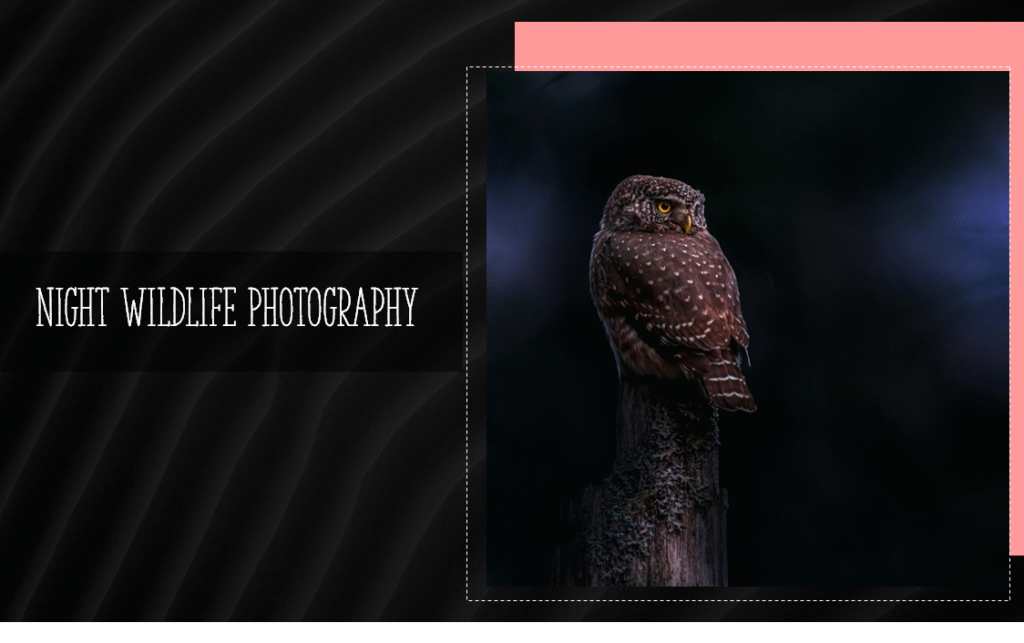
Night Wildlife Photography
Many animals are active only during the night. Capturing these nocturnal creatures requires specialized techniques.
Using Low-Light Equipment
Cameras with strong low-light performance help capture images in dark environments.
Silent Photography
Nocturnal animals are extremely sensitive to noise. Silent camera modes help photographers work without disturbing them.
Natural Night Lighting
Moonlight, starlight, and soft artificial lighting can create dramatic nighttime wildlife photographs.
Remote Camera Traps
Camera traps are commonly used to photograph nocturnal animals that rarely appear during daylight. These cameras are triggered automatically when animals pass by.
Night wildlife photography reveals a hidden world that many people never see.
Rare Wildlife Encounters
One of the most exciting aspects of wild photography is encountering rare or endangered species. Photographers often travel to remote locations to document animals that few people have seen.
Rare wildlife photography requires preparation, research, and patience. Sometimes photographers spend weeks waiting for a single rare animal to appear.
These photographs are extremely valuable because they help document species that may be threatened by habitat loss or environmental changes.
Rare wildlife images also help scientists and conservationists monitor animal populations.
Wildlife Photography and Environmental Responsibility
Wild photographers have an important responsibility to protect the environments they photograph.
Respect for nature must always come before capturing a photograph.
Photographers should follow important ethical principles such as:
-
Never disturbing animals for a photo
-
Avoiding damage to plants and ecosystems
-
Respecting wildlife protection laws
-
Leaving natural environments clean and undisturbed
Responsible wildlife photography ensures that future generations can continue to enjoy and study these natural environments.
Creating Impactful Wildlife Images
A great wildlife photograph is not just technically perfect—it also evokes emotion and tells a meaningful story.
Photographers often aim to capture images that show:
-
Animal emotions and expressions
-
Survival struggles in nature
-
Parent-child relationships among animals
-
Dramatic natural events
-
Unique animal behaviors
These powerful images create emotional connections between viewers and wildlife.
When people feel emotionally connected to animals, they become more likely to support conservation efforts.
Wildlife Photography in the Digital Age
The digital era has opened many new opportunities for wildlife photographers.
Photographers can now share their images instantly with global audiences through online platforms and digital galleries.
Photography communities allow photographers to learn from each other, exchange ideas, and collaborate on conservation projects.
Digital editing tools also allow photographers to refine their images while maintaining authenticity.
However, the most important element of wildlife photography remains unchanged—the ability to capture genuine moments in nature.
Inspiring the Next Generation of Wildlife Photographers
Wild photography inspires people of all ages to explore nature and appreciate wildlife.
Young photographers are increasingly becoming interested in documenting nature and environmental issues.
Photography workshops, nature camps, and wildlife tours provide opportunities for beginners to learn photography skills while developing respect for nature.
Encouraging young photographers to observe wildlife responsibly helps build a future generation of environmental guardians.
The Endless Journey of Wildlife Photography
Wild photography is not a destination—it is a lifelong journey of learning, exploration, and discovery.
Every wildlife encounter is unique. Even photographing the same animal multiple times can produce completely different results depending on lighting, behavior, and environment.
Photographers who spend time in nature develop patience, awareness, and deep appreciation for the natural world.
The forest, sky, rivers, deserts, and oceans all hold countless stories waiting to be captured.
Conclusion
1. Wild photography is one of the most exciting and meaningful forms of photography. It connects people with nature and reveals the beauty of animals living freely in their natural environments.
Through patience, skill, and respect for wildlife, photographers can capture breathtaking moments that inspire people around the world. These images remind us that the natural world is precious and deserves protection.
Whether you are a beginner with a simple camera or a professional with advanced equipment, wild photography offers endless opportunities for exploration, creativity, and adventure.
2. Wild photography is a journey of exploration, patience, and creativity. It teaches photographers to observe nature carefully, respect wildlife, and appreciate the beauty of the natural world.
Through skill, dedication, and passion, photographers can capture moments that inspire people and raise awareness about the importance of protecting wildlife.
3. Wild photography represents the perfect combination of adventure, creativity, and environmental awareness. It allows photographers to capture rare and meaningful moments that reveal the beauty and complexity of the natural world.
Through advanced techniques, careful observation, and respect for wildlife, photographers can create images that inspire people across the globe.
Pingback: Home Decoration - Digital Agency