
Event Photo & Videography,
Event Photography
Event photography isn’t just about holding a camera and pressing a button. It’s about anticipation. It’s about feeling the energy in a room before something magical happens. It’s about telling a story without saying a single word.
Have you ever looked at an old photo from a wedding, a birthday, or a graduation and instantly felt the emotion all over again? That’s the power of event photography. It freezes time. It preserves laughter, tears, applause, and even those quiet, unnoticed glances between people who care about each other.
In this in-depth guide, we’ll explore everything you need to know about event photography — from skills and equipment to business strategies and creative techniques. Whether you’re an aspiring photographer, a business owner, or someone planning a big event, this blog will give you valuable insights.
What Is Event Photography? (Event Photo & Videography)
Event photography is the professional documentation of live occasions. These events can be personal, corporate, cultural, or entertainment-based. There are no retakes. No resets. No “let’s try that again.”
That’s what makes it exciting — and challenging.
Event photographers capture authentic moments as they unfold naturally. The goal isn’t just to take pictures.
Why Event Photography Matters More Than Ever, (Event Photo & Videography)
In today’s fast-moving world, memories feel fleeting. Events pass in a blur. Guests mingle. Speeches are delivered. Candles are blown out.
Photographs become the lasting proof that it all happened.
For businesses, event photography is marketing gold. For families, it’s emotional treasure. For brands, it’s storytelling material. And for individuals, it’s nostalgia waiting to happen.
With platforms like Instagram and Facebook, events now live far beyond the physical venue. Images are shared, tagged, archived, and remembered.
Event photography is no longer optional. It’s essential.
Types of Events That Require Professional Photography, (Event Photo & Videography)
1. Weddings and Engagements
Weddings are emotional masterpieces. They combine joy, nervousness, tradition, and celebration into a single day. Every smile, every tear, every dance move matters.
A professional photographer knows how to capture the bride’s expression before walking down the aisle or the groom’s reaction during vows. These are once-in-a-lifetime moments.
2. Corporate Events
Corporate photography requires a different tone — professional, polished, and brand-focused.
The photos often appear on websites, press releases, and promotional campaigns. The lighting, angles, and framing must reflect professionalism and credibility.
3. Birthday Parties and Private Celebrations
From a child’s first birthday to a grandparent’s 80th celebration, private events are filled with genuine joy. These are intimate moments that deserve to be preserved beautifully.
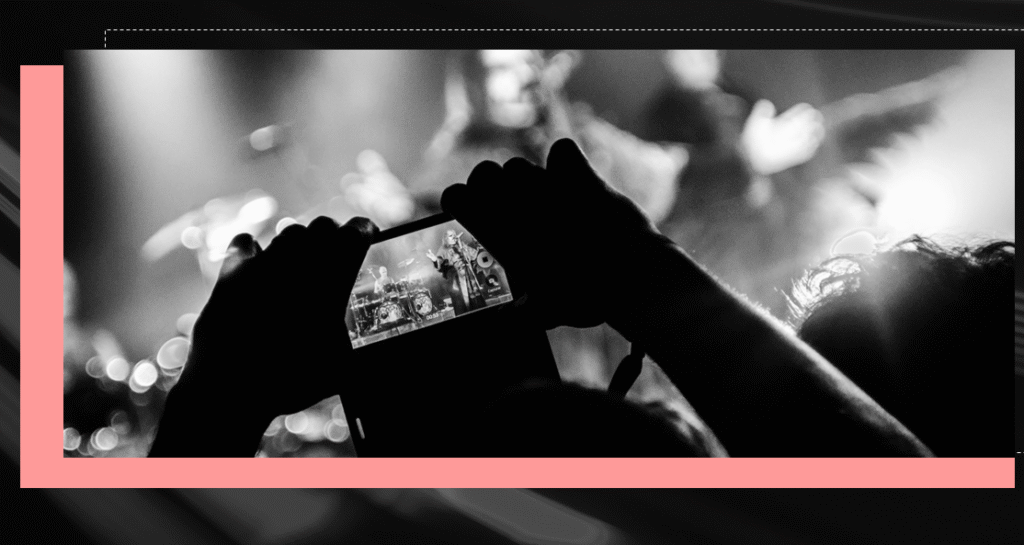
4. Concerts and Performances
Live performances are dynamic and unpredictable. Lighting changes rapidly. Artists move constantly. Capturing that energy requires skill and fast reflexes.
5. Cultural and Religious Gatherings
Festivals, ceremonies, and community events are rich in symbolism.
Essential Skills Every Event Photographer Must Master, (Event Photo & Videography)
1. Timing Is Everything
In event photography, timing is king.
Anticipation matters. You need to sense when a speaker is about to make a powerful gesture or when laughter is about to erupt.
2. Understanding Lighting
A skilled photographer adapts quickly.
Knowing how to adjust ISO, aperture, and shutter speed on the fly is crucial.
3. Communication Skills
You’re not just working with a camera. You’re working with people. Making guests comfortable leads to natural expressions and better photos.
A confident yet friendly approach goes a long way.
4. Storytelling Ability
Event photography isn’t random. It follows a narrative arc — arrival, peak moments, and closing scenes.
When reviewing a gallery, the viewer should feel like they’re reliving the event step by step.
The Gear Behind Professional Event Photography, (Event Photo & Videography)
Cameras
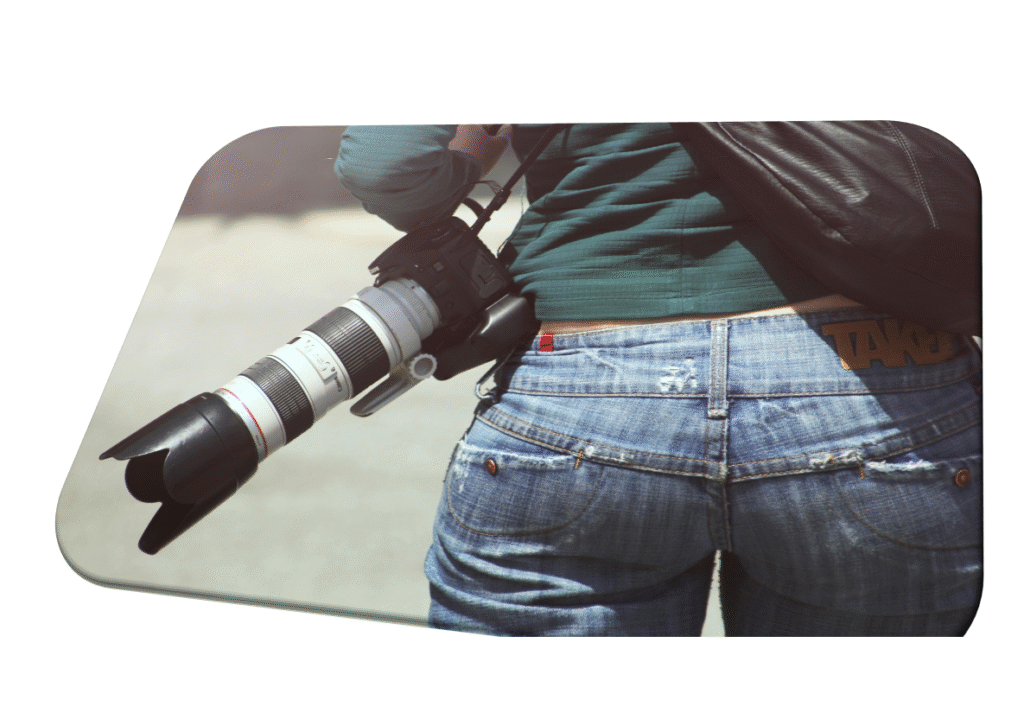
Professional photographers use high-performance DSLR or mirrorless cameras capable of handling low light and fast action.
Dual card slots are often preferred to ensure backup storage — because you can’t reshoot an event.
Lenses
Different lenses serve different purposes:
-
Wide-angle lenses for venue shots
-
Telephoto lenses for candid expressions
-
Prime lenses for low-light portraits
Having lens variety is like having different brushes for painting.
Lighting Equipment
External flashes, softboxes, and LED panels help maintain consistent lighting. Good lighting enhances skin tones and details.
Backup Equipment
Preparation prevents disaster.
Planning Before the Event, (Event Photo & Videography)
Client Consultation
Before the event, it’s important to understand expectations. What moments are most important? Are there specific people to prioritize?
Clear communication prevents misunderstandings later.
Venue Research
If possible, visit the venue beforehand. Identify natural light sources, potential obstacles, and key shooting positions.
Preparation builds confidence.
Creating a Shot List
A shot list ensures no essential moment is missed. For weddings, this might include:
-
First kiss
-
Cake cutting
-
Family portraits
-
Dance floor highlights
While spontaneity is important, structure keeps things organized.
Techniques That Elevate Event Photography, (Event Photo & Videography)
Candid Photography
Candid shots capture authenticity. They reveal raw emotion without staged poses. These images often become favorites because they feel real.
Compositional Awareness
Use the rule of thirds. Incorporate leading lines. Frame subjects creatively. Good composition guides the viewer’s eye naturally.
Capturing Emotion
Emotion is the heartbeat of event photography. Focus on reactions, not just actions.
A tear during a speech can be more powerful than the speech itself.
Working With Motion
Events are full of movement. Adjust shutter speed accordingly — faster for action, slower for creative blur effects.
The Art of Post-Processing
Taking the photo is only half the work. Editing transforms good images into exceptional ones.
Color Correction
Adjusting white balance ensures natural skin tones.
Exposure Adjustments
Enhancing brightness and contrast improves clarity and impact.
Retouching
Light retouching removes distractions while preserving authenticity.
The key? Subtlety. Over-editing can make images look artificial.
Common Challenges in Event Photography, (Event Photo & Videography)
Low Light Conditions
Many indoor events have dim lighting. Fast lenses and controlled ISO settings help manage noise.
Crowded Spaces
Navigating through crowds without blocking views requires awareness and professionalism.
Unpredictable Moments
Things don’t always go as planned. Weather changes. Schedules shift. Equipment malfunctions.
Flexibility is part of the job.
Building a Career in Event Photography, (Event Photo & Videography)
Start With Smaller Events
Gain experience with local gatherings or community events. Practice builds confidence.
Build a Strong Portfolio
Showcase your best work online. Highlight diversity — different lighting, venues, and emotions.
Leverage Social Media
Sharing behind-the-scenes content builds trust and visibility. Platforms like LinkedIn can help connect with corporate clients.
Ask for Testimonials
Satisfied clients are your best marketing strategy. Authentic reviews build credibility.
Pricing Your Event Photography Services
Pricing depends on:
-
Event duration
-
Editing time
-
Equipment used
-
Travel expenses
-
Experience level
Offer tiered packages to suit different budgets. Transparency builds trust.
Trends Shaping Modern Event Photography
Documentary-Style Coverage
Clients prefer natural storytelling over heavily posed images.
High-Resolution Imagery
4K-capable cameras allow for stunning detail and cropping flexibility.
Instant Photo Sharing
Some photographers offer real-time previews or on-site photo booths for immediate sharing.
How to Choose the Right Event Photographer
If you’re hiring:
-
Review their portfolio carefully.
-
Check consistency in lighting and editing style.
-
Read client reviews.
-
Discuss expectations clearly.
Don’t choose solely based on price. Experience matters.
The Future of Event Photography, (Event Photo & Videography)
Technology continues to evolve. Artificial intelligence assists in sorting and editing. Drones capture unique aerial perspectives. Mirrorless cameras are becoming faster and lighter.
But here’s the truth — technology supports creativity, it doesn’t replace it.
The human eye. The human instinct. The human connection.
That’s what truly defines event photography.
Final, (Event Photo & Videography)
Event photography is more than documentation. It’s storytelling through light and emotion. It’s capturing life as it happens — imperfect, beautiful, and fleeting.
A great event photographer doesn’t just take pictures. They preserve memories, freeze laughter, and immortalize milestones.
Years from now, when the decorations are gone and the music has faded, photographs remain. They whisper stories of celebration, connection, and joy.
And that is the true magic of event photography.
FAQs
1. How many photos should I expect from an event?
It depends on the event length, but typically 50–100 edited images per hour is common.
2. How long does editing take?
Delivery usually takes 2–4 weeks depending on the workload and event size.
3. Is flash necessary at indoor events?
Often yes, especially in low-light environments, but skilled photographers balance it naturally.
4. What makes a great event photo stand out?
Emotion, timing, and composition combined.
5. Can event photos be used for marketing purposes?
Absolutely. With proper permission, they are valuable promotional assets.
Videography: The Art of Capturing Life in Motion
Introduction: More Than Just Recording, (Event Photo & Videography)
Videography is not simply about pressing the record button. It is about storytelling, emotion, timing, light, and perspective. In today’s digital world, video has become one of the most powerful communication tools. From weddings and business promotions to cinematic short films and social media reels, videography shapes how we see, feel, and remember moments.
Unlike photography, which freezes a single second, videography captures movement, sound, and atmosphere. It records not only what something looks like but how it feels. A smile becomes a laugh. A sunset becomes a slowly fading glow. A speech becomes a voice filled with emotion.
This blog will guide you through the complete world of videography—its history, techniques, equipment, styles, editing process, business potential, and future trends. Whether you are a beginner or someone looking to improve your skills, this detailed guide will help you understand videography deeply and creatively.
1. The Evolution of Videography,(Event Photo & Videography)
Videography has come a long way. In the early days, recording moving images required large equipment, expensive film reels, and professional studios. Only film industries and television stations could afford it.
With technological advancements, video cameras became smaller and more affordable. Camcorders allowed families to record birthdays and vacations. Later, DSLR cameras introduced cinematic video capabilities. Today, even smartphones can shoot in 4K resolution, making videography accessible to almost everyone.
The digital revolution changed everything. Editing software became more user-friendly. Online platforms made video sharing instant. Now, a single creator can shoot, edit, and publish professional-quality videos from home.
Videography has shifted from being an exclusive industry to a creative tool available to all.
2. Understanding Videography as an Art Form, (Event Photo & Videography)
Videography is both technical and artistic. It requires knowledge of camera settings and creative vision at the same time.
2.1 Storytelling
Every great video tells a story. Even a 30-second clip can have a beginning, middle, and end. The story might be emotional, informative, inspirational, or entertaining.
A wedding video tells the story of love. A travel vlog tells the story of adventure. A corporate video tells the story of a brand.
Without storytelling, videography becomes just random clips.
2.2 Emotion and Mood
Music, lighting, camera movement, and editing pace create emotion. Slow motion can create romance. Fast cuts can create excitement. Dark lighting can create mystery.
Videography is about making viewers feel something.
2.3 Visual Composition
Good videography follows composition rules such as:
-
Rule of thirds
-
Leading lines
-
Framing
-
Symmetry
-
Depth of field
These elements make videos visually pleasing and professional.
3. Types of Videography, (Event Photo & Videography)
Videography includes many different categories. Each requires unique skills and approaches.
3.1 Wedding Videography
It focuses on emotions, rituals, laughter, and candid moments. A wedding videographer must be attentive, fast, and creative.
Highlight reels, cinematic films, and full ceremony recordings are common formats.
3.2 Event Videography
This includes corporate events, birthday parties, seminars, and concerts. The videographer must capture key moments, audience reactions, and important speeches.
3.3 Corporate Videography
Businesses use videos for marketing, training, product promotion, and branding. Professional lighting, clear audio, and strong messaging are essential.
3.4 Travel Videography
Travel videos showcase landscapes, cultures, food, and experiences. Drone shots and cinematic transitions are popular in this category.
3.5 Documentary Videography
Documentaries focus on real-life stories. They require research, interviews, and strong narrative structure.
3.6 Social Media Videography
Short-form content for platforms like reels and shorts requires creativity within limited time. Vertical formats, engaging hooks, and fast editing are important.
4. Essential Videography Equipment, (Event Photo & Videography)
Good videography does not always require expensive equipment, but understanding tools is important.
4.1 Camera
Cameras range from smartphones to professional cinema cameras. Important features include:
-
Resolution (1080p, 4K, 6K)
-
Frame rate (24fps, 30fps, 60fps)
-
Sensor size
-
Low-light performance
4.2 Lenses
Different lenses create different visual effects:
-
Wide-angle for landscapes
-
Standard lens for natural look
-
Telephoto for close-ups
-
Prime lenses for shallow depth of field
4.3 Tripod and Stabilizers
Stable footage looks professional. Tripods are essential for static shots. Gimbals and stabilizers help create smooth motion shots.
4.4 Microphones
Types include:
-
Lavalier microphones
-
Shotgun microphones
-
Handheld microphones
Poor audio can ruin an otherwise beautiful video.
4.5 Lighting Equipment
Lighting controls mood and clarity. Common lighting tools:
-
Softboxes
-
LED panels
-
Ring lights
-
Reflectors
Natural light can also be powerful when used correctly.
5. Camera Settings Every Videographer Should Know, (Event Photo & Videography)
5.1 Frame Rate
24fps gives a cinematic feel.
30fps is common for online videos.
60fps allows smooth slow motion.
5.2 Shutter Speed
A general rule is to set shutter speed double the frame rate (for example, 1/50 for 24fps).
5.3 Aperture
A low f-number (f/1.8) creates background blur.
A high f-number (f/8) keeps more in focus.
5.4 ISO
ISO controls brightness. Higher ISO increases light but may add noise.
Understanding these settings helps you control the look of your video.
6. The Power of Lighting in Videography, (Event Photo & Videography)
Lighting is the backbone of visual storytelling.
6.1 Natural Light
Sunrise and sunset provide warm tones. Overcast skies create soft shadows. Positioning subjects near windows creates beautiful indoor shots.
6.2 Three-Point Lighting
This professional setup includes:
-
Key light
-
Fill light
-
Backlight
It creates depth and dimension.
6.3 Creative Lighting
Colored lights, shadows, and silhouettes can add drama and style.
7. The Role of Audio in Videography, (Event Photo & Videography)
Many beginners focus only on visuals. However, audio creates realism and emotional connection.
Clear dialogue, background music, ambient sound, and sound effects all enhance storytelling. Always monitor audio levels and avoid background noise when possible.
8. Editing: Where the Magic Happens, (Event Photo & Videography)
Shooting is only half the process. Editing transforms raw footage into a story.
8.1 Cutting and Trimming
Remove unnecessary clips. Keep pacing smooth and engaging.
8.2 Color Correction and Grading
Color correction balances brightness and tones. Color grading adds style and mood.
8.3 Sound Design
Add music, adjust audio levels, and include subtle sound effects.
8.4 Transitions and Effects
Use transitions carefully. Too many effects can distract viewers.
Editing requires patience, creativity, and attention to detail.
9. Cinematic Techniques in Videography,(Event Photo & Videography)
9.1 Slow Motion
Creates drama and highlights emotional moments.
9.2 Time-Lapse
Shows long processes in short time.
9.3 Drone Shots
Provide aerial perspectives and grand visuals.
9.4 Tracking Shots
Follow subjects smoothly to create dynamic movement.
These techniques make videos visually impressive.
10. Building a Career in Videography, (Event Photo & Videography)
Videography can be a profitable profession.
10.1 Freelancing
Many videographers work independently, offering services for events and businesses.
10.2 Starting a Production Company
With experience, you can build a team and handle larger projects.
10.3 Online Content Creation
Video platforms allow creators to earn through ads, sponsorships, and brand deals.
10.4 Building a Portfolio
Showcase your best work. Quality is more important than quantity.
11. Challenges in Videography, (Event Photo & Videography)
Videography is rewarding but not easy.
-
Unpredictable weather
-
Equipment failures
-
Tight deadlines
-
Client expectations
-
Creative pressure
Professionalism and preparation help overcome these challenges.
12. The Future of Videography, (Event Photo & Videography)
Technology continues to evolve. Future trends include:
-
8K resolution
-
Virtual reality videos
-
AI-assisted editing
-
Live streaming growth
-
Interactive video experiences
As technology improves, creativity becomes even more important.
13. Tips for Beginners, (Event Photo & Videography)
-
Start with what you have.
-
Practice regularly.
-
Study films and videos.
-
Learn basic editing.
-
Focus on storytelling.
-
Accept feedback.
-
Stay consistent.
Growth comes with time and dedication.
14. Why Videography Matters, (Event Photo & Videography)
Videography preserves memories. It markets businesses. It spreads awareness. It entertains audiences. It inspires action.
A powerful video can change opinions, build brands, and touch hearts.
In a world filled with information, video stands out because it combines sight, sound, and emotion.
Final: Capturing Life, Creating Impact, (Event Photo & Videography)
Videography is more than a skill—it is a creative journey. It blends technology and imagination. It transforms ordinary moments into lasting memories.
Whether you film weddings, travel adventures, business promotions, or personal projects, videography allows you to shape stories in motion. With the right mindset, tools, and passion, anyone can become a powerful visual storyteller.
Pingback: Italian All Foods And Place - Digital Agency