
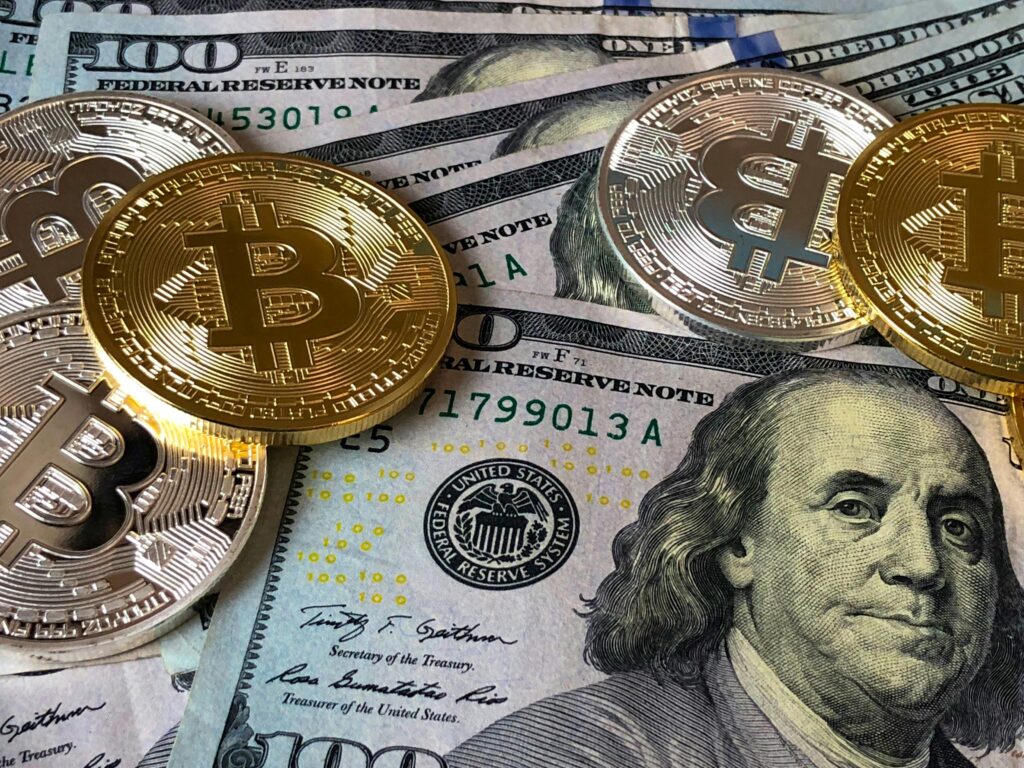
Money Is Power
Introduction:-
Why Money Has Always Meant Power
Money is one of the most discussed, desired, criticized, and misunderstood forces in human life. From ancient kingdoms to modern digital economies, money has shaped decisions, influenced behavior, and determined destinies. It has built civilizations and destroyed them. It has created opportunities and denied them. Love it or hate it, money remains a central force that quietly controls the direction of the world.
When people say “Money is power,” they are not glorifying greed. They are acknowledging a truth that exists whether we accept it or not. Money gives people options. It gives them influence. It gives them the ability to say “yes,” “no,” or “later.” Power does not always come from authority or strength; often, it comes from access—and money is the master key.

Yet money itself is not magical. It is a tool. Like electricity, it can light a city or burn it down. The outcome depends on the hands that hold it and the mind that directs it. Understanding money as power is not about worshiping wealth—it’s about learning how to use it wisely, ethically, and purposefully.
This article explores money from every angle—historical, psychological, social, ethical, and practical—to uncover why money holds power and how that power can be used to build a meaningful, free, and impactful life.
Money is everywhere. We wake up thinking about it, work all day to earn it, and plan our future around it. Yet, despite its constant presence, money remains deeply misunderstood. Some see it as the root of all evil, while others worship it like a god. The truth lies somewhere in between. Money itself is neutral—but the power it gives is undeniable.
Why Money Has Always Been Linked to Power
From the moment humans started trading goods, money became more than a medium of exchange. It turned into influence, authority, and control. Whoever controlled resources controlled people. That simple rule hasn’t changed, only the form has.
Is Money Good or Evil? A Neutral Tool
Money is like fire. In the right hands, it cooks food and keeps us warm. In the wrong hands, it burns everything down,
The Historical Relationship Between Money and Power
Ancient Civilizations and Wealth Control, Money Is Power
In ancient Egypt, Rome, and Mesopotamia, wealth meant power. Kings and emperors controlled gold, land, and labor. Money decided who ate well and who starved.
Gold, Land, and Authority, Money Is Power
Owning land meant controlling food. Owning gold meant controlling trade. Combine both, and you controlled nations.
Money in the Medieval and Industrial Ages
During medieval times, wealth was tied to land ownership. Later, the industrial revolution shifted power to factory owners and financiers. Money no longer slept in vaults—it worked, multiplied, and dominated.
How Money Shapes Modern Society, Money Is Power
Money and Social Status
Let’s be honest. Money talks. It decides where you live, how you dress, and even how people treat you. Society often equates wealth with success, intelligence, and respect—even when that’s not always deserved.
The Role of Money in Politics and Governance
Campaign Funding and Influence
In modern democracies, money fuels elections. The more funding a candidate has, the louder their voice becomes. Policies often follow money trails, proving once again that money equals influence.
Money as a Source of Personal Freedom
Financial Independence Explained
Money gives options. It allows you to say “no” to toxic jobs, “yes” to opportunities, and “later” to stress. Financial independence isn’t about luxury—it’s about control over your life, Money Is Power.
Choices, Time, and Lifestyle Control
Money buys time. And time is the most powerful currency of all. When you’re not worried about survival, you can focus on growth, creativity, and purpose.
The Psychology of Money
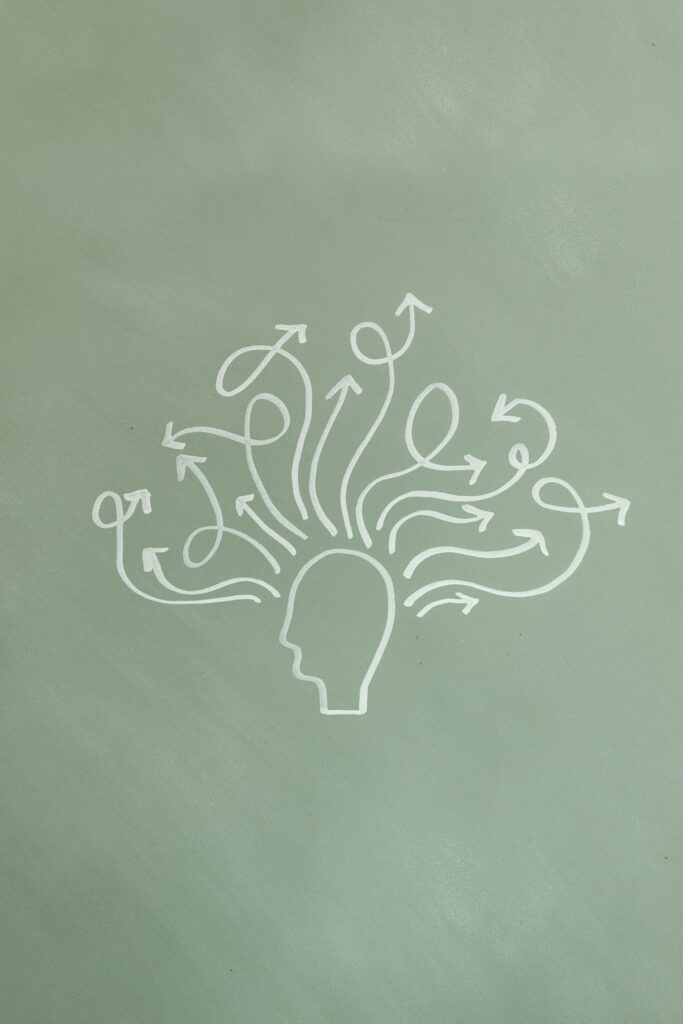
How Money Affects Human Behavior
Money triggers emotions—fear, pride, envy, confidence. It can make people generous or greedy, calm or anxious.
Fear, Desire, and Security
Most people don’t chase money for luxury. They chase it for safety. The fear of not having enough drives many decisions.
Scarcity vs Abundance Mindset
A scarcity mindset traps people. An abundance mindset empowers them. How you think about money often matters more than how much you have.
Money and Education
Access to Knowledge Through Wealth, because Money Is Power.
Money opens doors to better schools, mentors, and resources. Education increases earning power, and earning power increases influence—a powerful cycle.
Education as a Tool to Build Power
Knowledge plus money creates unstoppable power. One without the other is incomplete.
Money in Business and Entrepreneurship
Capital as a Competitive Advantage, Money Is Power.
Businesses grow on capital. Money fuels innovation, marketing, and expansion. Without it, even great ideas struggle to survive.
Risk, Reward, and Wealth Creation
Money rewards those who take calculated risks. Entrepreneurs understand that money is a tool—not a goal.
Money and Social Inequality
Wealth Gaps and Power Imbalance
When money concentrates in a few hands, power follows. This imbalance creates social tension, limited mobility, and injustice.
Can Money Create or Solve Inequality?
Yes—both. Used selfishly, money deepens inequality. Used wisely, it can uplift communities and change lives.
Ethical Power of Money, Money Is Power
Using Wealth for Good
Money can build schools, hospitals, and opportunities. Ethical wealth creates lasting impact beyond personal gain.
Philanthropy and Social Change
True power isn’t hoarded—it’s shared. History remembers those who used money to serve, not dominate.
Money vs Values
When Power Becomes Dangerous
When money replaces values, corruption follows. Power without ethics destroys trust and stability.
Balancing Wealth and Morals
The real challenge isn’t making money—it’s staying human while doing so.
Digital Age – New Forms of Money, New Power
Digital Payments and Global Reach
Money now moves at the speed of light. Borders mean less, and opportunities mean more.
Cryptocurrency and Decentralized Power
Digital currencies challenge traditional power structures. Control is shifting—from institutions to individuals.
How to Build Money Power the Right Way
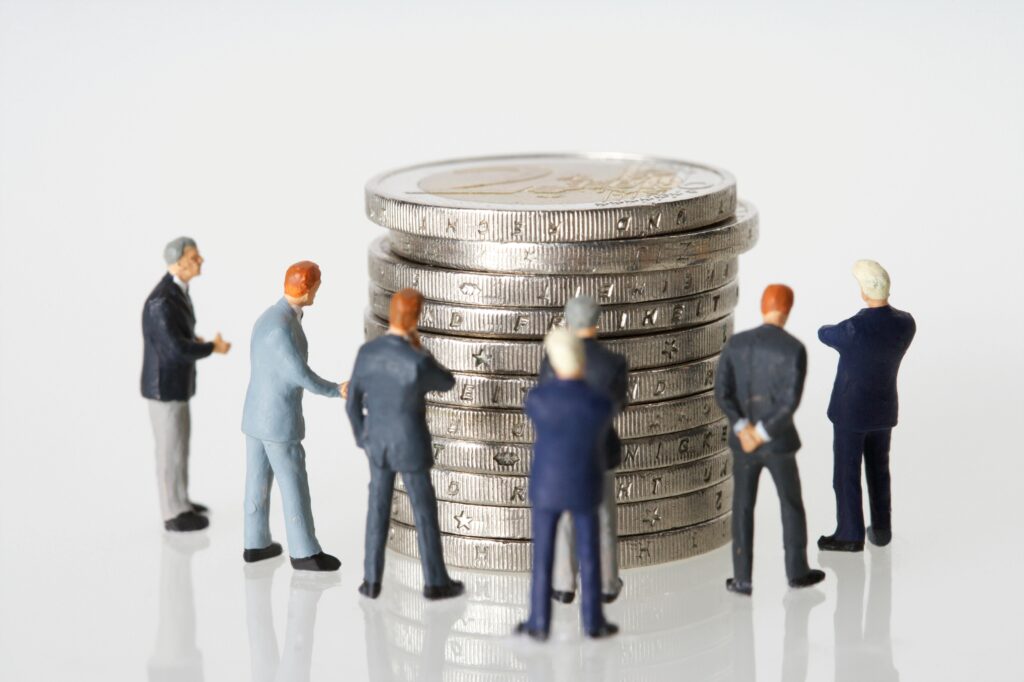
Skills, Discipline, and Patience
Money power comes from skills, not shortcuts. Discipline builds wealth. Patience protects it.
Long-Term Thinking, Money Is Power
Fast money fades. Sustainable money lasts generations.
Common Myths About Money
Money Buys Happiness – Truth or Lie?
Money doesn’t buy happiness, but it removes many causes of misery.
Only Greedy People Want Money
Wanting money isn’t greedy. Wanting it without purpose is.
Practical Lessons From “Money Is Power”
Money as a Responsibility
With power comes responsibility. How you use money defines your legacy.
Teaching the Next Generation
Financial education is empowerment. Teaching kids about money is teaching them about life, because Money Is Power.
The Origins of Money and the Birth of Power
Long before coins, notes, or digital wallets existed, humans relied on barter. Goods were exchanged directly—grain for tools, animals for shelter. But barter had limits. As societies grew, a universal medium of exchange became necessary. Money was born out of convenience, but power followed soon after.
Those who controlled the medium of exchange gained influence. They could decide prices, control trade routes, and accumulate surplus. Surplus created security, and security created dominance. This pattern repeated across civilizations.
In ancient Egypt, wealth supported divine kingship. In Mesopotamia, money enabled organized governance. In Rome, economic control helped maintain military strength. Across history, money was never just about trade—it was about control.
Money as a Silent Authority
Power does not always wear a crown or uniform. Often, it operates quietly. Money is one of the most silent yet effective forms of authority. It does not argue. It persuades. It does not threaten. It influences.
A wealthy individual may never raise their voice, yet their presence can change outcomes. Decisions bend. Doors open. Time becomes flexible. This is the invisible authority of money.

Money influences markets, policies, and even culture. Trends rise and fall based on spending. Ideas spread faster when funded. Even morality can be tested when money enters the equation.
Money and Survival: The Foundation of Its Power
At its core, money is tied to survival. Food, shelter, healthcare, education—all require money in modern society. When survival depends on something, that thing gains power, Money Is Power.
This is why financial stress is one of the biggest causes of anxiety. The fear of not having enough money is often the fear of losing control. People don’t chase money because they love numbers; they chase money because they want safety.
Once survival is secured, money evolves from a necessity into a tool for growth. It shifts from “need” to “choice.” That shift is where real power begins.
Money and Freedom: The Ability to Choose, Money Is Power
Money Is Power, Freedom is one of the greatest human desires. Money does not guarantee freedom, but it strongly supports it.
With money, you can choose: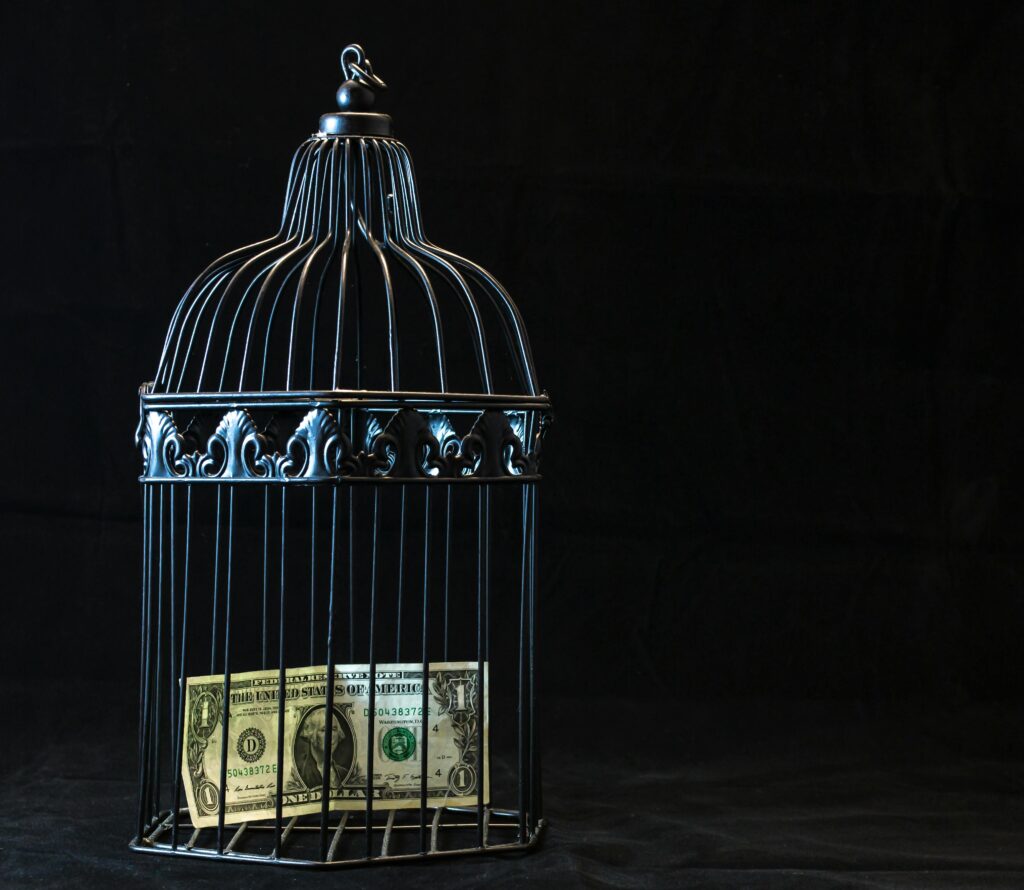
-
Where to live
-
How to work
-
When to rest
-
What to learn
-
Who to help
Without money, choices shrink. Options disappear. Life becomes reactive instead of intentional.
Financial freedom is not about luxury. It is about control over time and energy. It is about designing life instead of surviving it.
The Psychological Power of Money
Money does not just affect bank accounts—it affects minds. It shapes behavior, confidence, and self-worth.
For some, money represents security. For others, it represents success. For many, it represents fear. These emotional connections drive decisions more than logic ever could.
People with a healthy relationship with money see it as a resource. People with a toxic relationship with money see it as identity. This difference determines whether money empowers or enslaves.
Scarcity Mindset vs Abundance Mindset, Money Is Power
A scarcity mindset believes resources are limited. It leads to fear, hoarding, and short-term thinking.
An abundance mindset believes opportunities are endless. It leads to creativity, generosity, and long-term growth.
The mindset you hold determines how much power money has over you.
Money and Social Status, Money Is Power
Whether we admit it or not, money influences how society perceives individuals. Wealth often brings respect, attention, and credibility. Poverty often brings judgment, silence, and exclusion.
This does not mean wealthy people are better. It means society assigns value based on economic signals. Understanding this reality helps people navigate the world more effectively.
Money can elevate voices—but it can also silence others. This dual nature makes it powerful and dangerous at the same time.
Money in Politics and Global Power
Nations rise and fall based on economic strength. Military power follows financial power. Political influence follows economic stability.
Campaigns require funding. Policies are shaped by economic interests. International relations are often influenced by trade, debt, and resources.
Money is not the only force in politics—but it is a dominant one.
Money in Business and Innovation
Every major innovation requires funding. Ideas need fuel. Money provides that fuel, Money Is Power.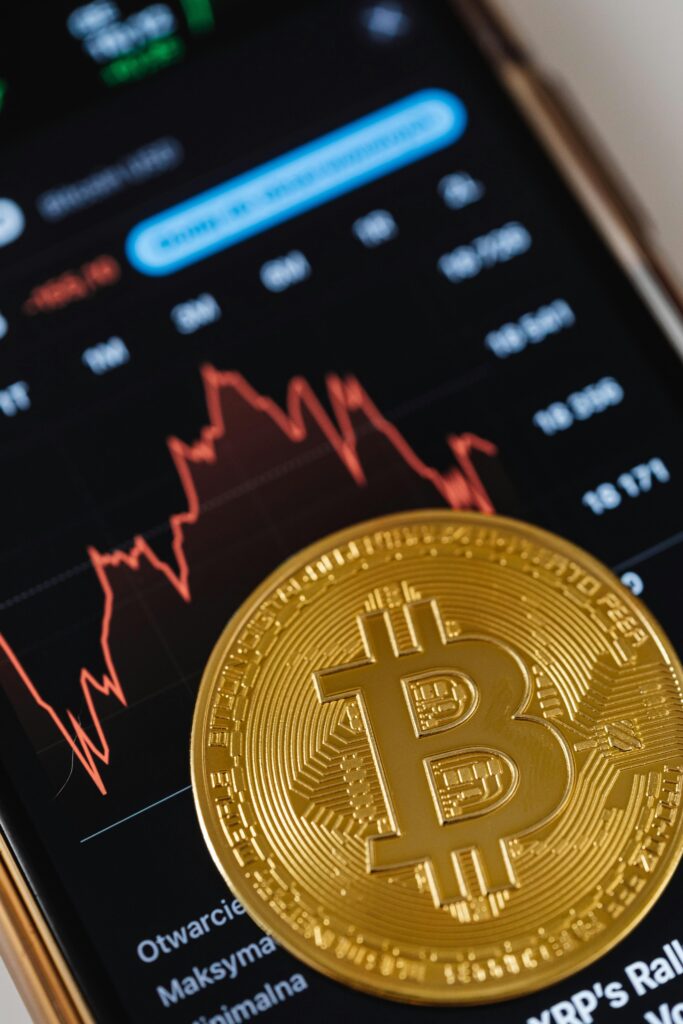
Businesses grow through capital. Capital allows experimentation, hiring, expansion, and resilience. Without money, even brilliant ideas struggle to survive.
Entrepreneurs understand money as leverage. They use it to create value, not just consume it.
Money and Education: Power Through Knowledge
Education is one of the most powerful wealth multipliers. It increases earning potential, awareness, and adaptability.
Money improves access to education. Education improves access to money. Together, they create upward mobility.
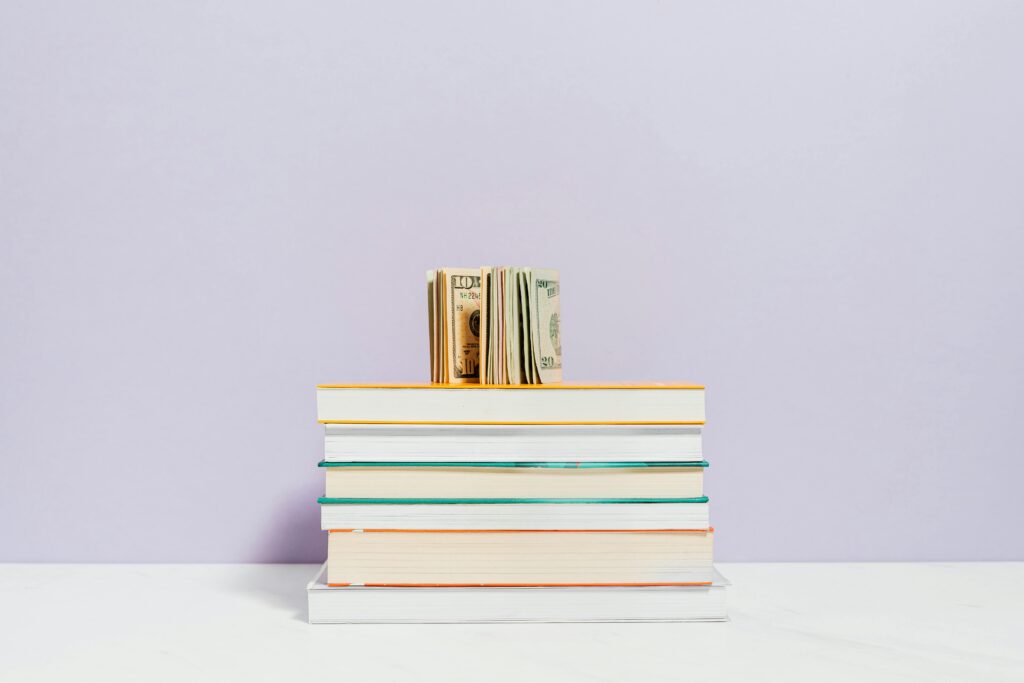
Financial education, in particular, teaches people how money works instead of working for money forever.
Money and Inequality
One of the harsh realities of money is inequality. Wealth concentration creates power imbalance. Opportunities become limited for those without access.
However, money itself is not the enemy. Lack of access and lack of education are.
When used wisely, money can reduce inequality through education, healthcare, and entrepreneurship.
The Ethical Dimension of Money Power
Power tests character. Money reveals values.

Ethical use of money creates trust, stability, and legacy. Unethical use creates fear, corruption, and collapse.
True power is not how much money you control—but how responsibly you use it.
Digital Money and the New Age of Power
The digital era has transformed money. Transactions are instant. Markets are global. Opportunities are decentralized.
Money Is Power, Cryptocurrency, digital payments, and online businesses have redistributed power. Individuals now have tools that were once reserved for institutions.
This shift is redefining what power looks like in the modern world.
How to Build Money Power Wisely
Money power is not built overnight. It is built through:
-
Skills
-
Discipline
-
Patience
-
Value creation
Quick money fades. Sustainable money grows quietly.
The goal is not to chase money, but to become valuable. Money follows value.
Common Myths About Money
Myth 1: Money is evil
Money is neutral. Intent defines outcome.
Myth 2: Wanting money is greedy
Wanting freedom and security is human.
Myth 3: Money guarantees happiness
Money removes problems—but purpose creates happiness.
Money as Responsibility, Money Is Power
With power comes responsibility. Money amplifies impact. It can heal or harm.
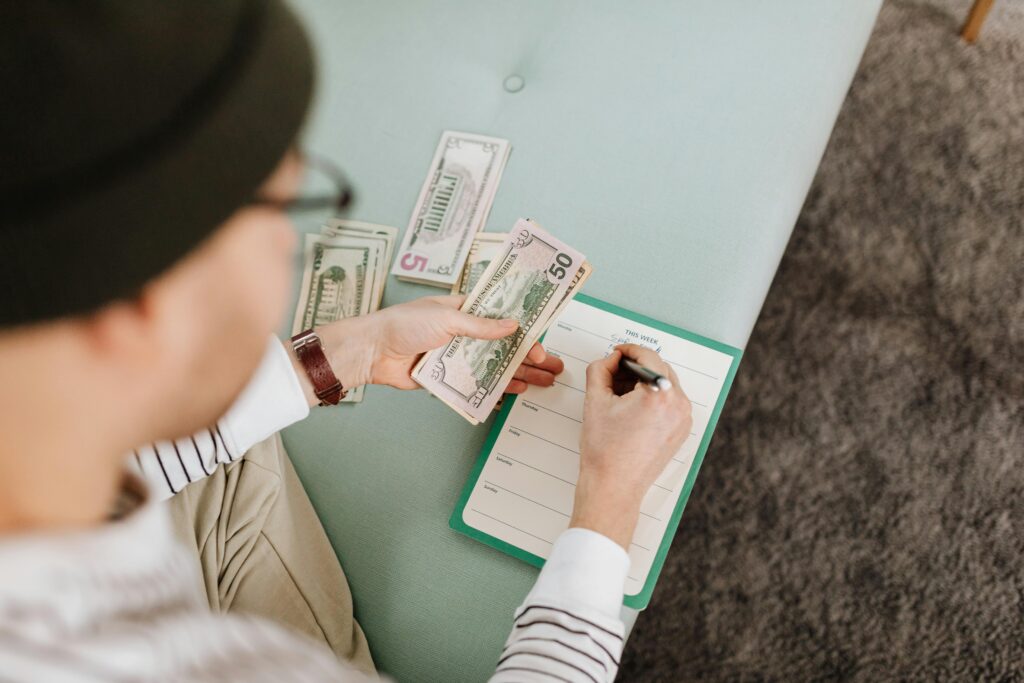
Every financial decision is a reflection of priorities. How money is spent shapes the world.
Teaching future generations about money is one of the greatest forms of empowerment.
Conclusion: Redefining “Money Is Power”
Money is power—but not because it dominates. It is power because it enables. It enables choice, freedom, growth, and impact.
When money is aligned with values, it becomes a force for good. When it replaces values, it becomes destructive.
The ultimate goal is not to serve money—but to master it. True power is not in having money, but in knowing how to use it wisely.
FAQs
1. Why is money considered power?
Because it provides control over resources, choices, and influence.
2. Is money more important than values?
No. Values guide power; money only amplifies them.
3. Can money change lives?
Yes, when used responsibly and purposefully, Money Is Power.
4. Does money bring happiness?
It reduces stress and increases options, but purpose brings fulfillment.
5. How can money be used ethically?
By creating value, helping others, and aligning wealth with responsibility.
Pingback: What Is The Bible In Life? - Funday