
Part 1: Introduction –
Why Choosing the Right Camera Matters
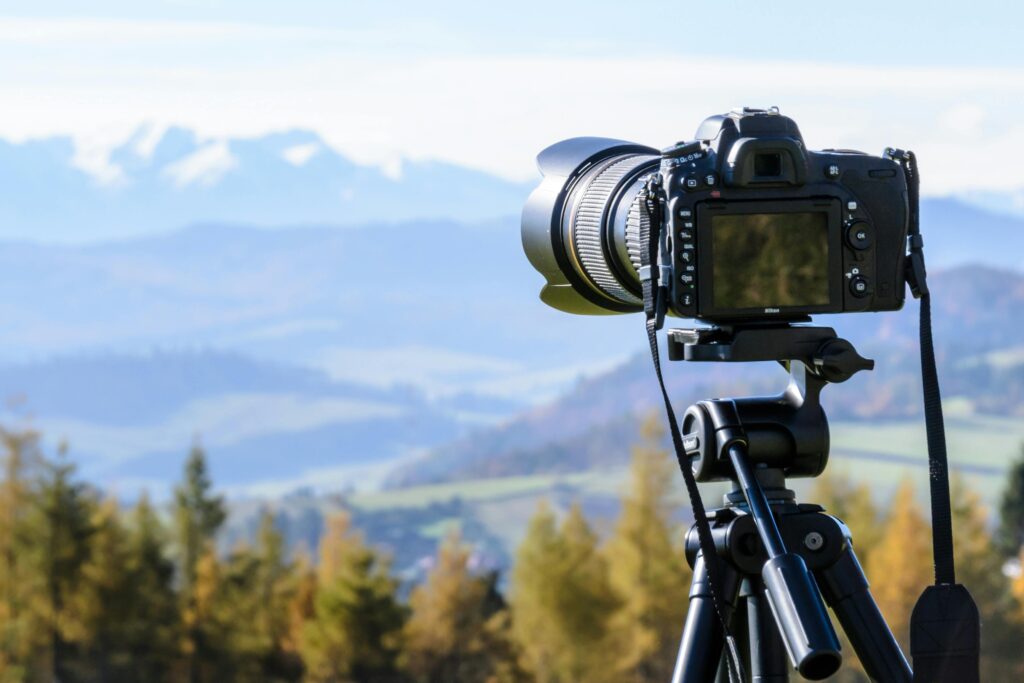
Best Cameras for Travel Photography, While travelling, we take pictures to make our moments memorable so that it always reminds us of that moment and makes us feel happy. To capture happiness or to capture that moment, we need a good quality camera. So today we will tell you about the best camera, so that you can choose the best camera. Thank you.

Travel and photography share a timeless bond. Every journey brings stories, faces, landscapes, and fleeting emotions that deserve to be captured — not just to remember, but to relive. A well-chosen camera transforms those experiences into lasting works of art. The right device becomes an extension of your eye and your curiosity, helping you express how the world feels rather than just how it looks.
Travel photography isn’t only about taking pictures; it’s about telling stories. The distant mountains, the glow of a streetlamp, the texture of an old wall, or the kindness of a stranger — all of these can be preserved beautifully when you have the right tool in your hands. Yet with so many camera types, models, and technologies available, choosing one can feel overwhelming. Should you prioritize compactness or image quality? Do you want interchangeable lenses, or do you prefer a single do-it-all camera?
The good news is that photography technology has evolved tremendously. You no longer need a bulky DSLR to achieve professional results. Mirrorless cameras, travel-friendly compacts, and even rugged action cams are capable of stunning performance. As you plan your next adventure, understanding what makes a great travel camera will help you strike the right balance between performance and portability.
What Makes a Camera Ideal for Travel?
Travel photography is about versatility. You’ll shoot landscapes, portraits, street scenes, and low-light environments — sometimes all in one day. The perfect travel camera adapts quickly, captures details faithfully, and survives the rigors of the road. Here are key factors, Best Cameras for Travel Photography:
-
Portability: A great travel camera must be light enough to carry all day without fatigue.
-
Image Quality: Look for large sensors (APS-C or full-frame) for rich detail and depth.
-
Zoom Range or Lens Options: Interchangeable lenses or a flexible zoom lens allow creative freedom.
-
Durability: Weather sealing and solid build quality matter when you’re outdoors.
-
Battery Life: A camera that lasts through a day of shooting is essential.
-
Connectivity: Wi-Fi, Bluetooth, and GPS make it easier to share photos or tag locations instantly.
-
Video Capability: 4K or higher resolution is ideal for vloggers or travel filmmakers.
Travel photography is unpredictable — that’s what makes it exciting. A great travel camera helps you adapt to surprises, whether it’s a spontaneous market scene or a breathtaking sunset.
Part 2: Understanding Travel Photography Needs
Before you buy, it’s important to understand how your style of travel influences your choice of camera. The needs of a backpacker differ from those of a luxury traveler or adventure enthusiast. Let’s break down the main factors that affect what kind of camera you should choose.
1. Weight and Portability
When traveling, lighter is almost always better. Long walks through cities or hikes in the wilderness can become tiring with heavy gear. Many modern mirrorless cameras provide near-DSLR quality at half the weight. Best Cameras for Travel Photography,
If your main goal is convenience, compact cameras like the Sony RX100 series or Canon PowerShot G7 X Mark III are excellent. They fit in a pocket yet capture bright, detailed images. For more serious photographers, APS-C mirrorless cameras like the Fujifilm X-S20 or Canon R10 strike a perfect balance between portability and image power.
2. Versatility and Lens Options
Different trips require different focal lengths. Landscapes benefit from wide lenses (16–24mm), portraits look better with midrange (35–85mm), and wildlife or distant subjects need telephoto (200mm+).
Mirrorless systems offer flexibility through interchangeable lenses. However, if you want simplicity, superzoom cameras like Panasonic Lumix FZ1000 II or Sony RX10 IV give you wide-to-telephoto reach in one body.
3. Weather Resistance and Durability
Travel exposes your gear to unpredictable environments — desert dust, mountain rain, sea spray, or tropical humidity. A weather-sealed body is essential for photographers who love adventure. Cameras like the Olympus OM-5, Nikon Z6 II, and Canon R7 offer durable builds for outdoor conditions. Rugged compacts like the Olympus TG-6 are waterproof and shockproof — perfect for diving or snow sports.
4. Battery and Charging Convenience
When traveling off-grid, access to power can be limited. Cameras that charge via USB-C are very convenient — you can use the same power bank that charges your phone. Extra batteries are always wise, especially for mirrorless cameras that tend to drain faster than DSLRs.
5. Image Quality and Sensor Size
Sensor size determines how much light your camera captures, which directly affects quality.
-
Full-frame sensors deliver the best dynamic range and low-light performance.
-
APS-C sensors balance quality and compactness.
-
1-inch sensors (found in premium compacts) still produce impressive results for casual shooting.
If photography is your main travel goal, investing in a full-frame or APS-C system will reward you with sharper, more detailed shots that hold up even in print.
6. Video Capabilities in Modern Cameras, Best Cameras for Travel Photography
For vloggers and creators, video quality is just as important as photos. Modern travel cameras now feature 4K and 6K video with advanced stabilization. Look for cameras with good autofocus during recording, built-in microphones, and support for external audio accessories.
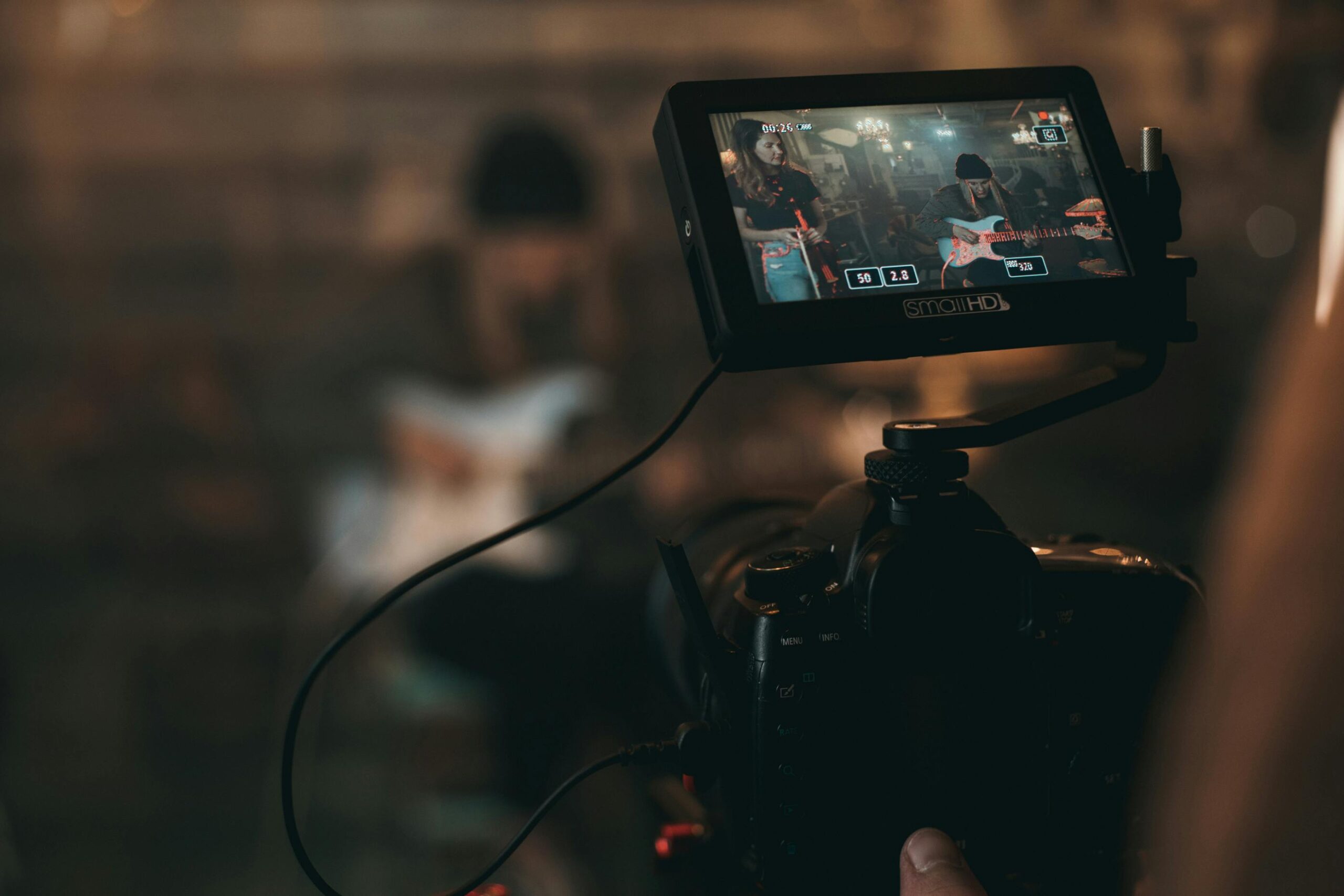
In today’s digital age, photography and videography go hand in hand. Travel photographers, vloggers, filmmakers, and even casual explorers increasingly rely on cameras that can shoot stunning videos as well as still images. Whether you are documenting a trip, creating cinematic travel reels, or producing professional content for YouTube, understanding video capabilities is crucial. A camera’s ability to record video is no longer an afterthought — it’s one of its most defining features.
This long note explores everything you need to know about video capabilities: what they mean, which specifications matter most, and how they influence the overall quality and style of your footage.
1. The Evolution of Video in Cameras
A decade ago, video recording in cameras was basic — limited to standard HD and short clips. Today, even entry-level cameras offer 4K video, slow-motion options, and advanced stabilization systems. The evolution of sensor technology, faster processors, and improved autofocus systems has transformed cameras into hybrid tools capable of capturing both high-quality stills and professional-level videos.
Mirrorless cameras, in particular, have revolutionized video production. They combine the image quality of DSLRs with modern innovations like 10-bit color depth, 4K/6K resolution, and real-time subject tracking. These advancements empower travelers, vloggers, and content creators to produce cinematic footage without needing bulky film equipment.
2. Understanding Resolution and Frame Rates
Resolution
Video resolution refers to the number of pixels that make up the video image. The higher the resolution, the sharper and more detailed the footage.
Here are the most common video resolutions found in modern cameras:
-
Full HD (1080p) – Standard for most casual videos. Delivers good quality while saving storage space.
-
4K (Ultra HD) – Offers four times the resolution of Full HD. Produces crisp details and is ideal for professional travel vlogs or cinematic visuals.
-
6K and 8K – Found in advanced cameras. These resolutions allow for incredible detail, flexibility in post-production, and the ability to crop or reframe footage without losing quality.
While higher resolutions look great, they also require faster memory cards and more powerful editing systems. For most travelers, 4K hits the sweet spot between quality and practicality.
Frame Rate (FPS)
Frame rate determines how many frames are captured per second. It influences the smoothness and feel of your video.
Common frame rates include:
-
24 fps – The cinematic standard; gives a natural film look.
-
30 fps – Smooth motion, commonly used for travel vlogs and social media.
-
60 fps – Ideal for capturing fast action or creating slow-motion effects.
-
120 fps or higher – Used for ultra-slow-motion footage, often seen in sports or action scenes.
Choosing the right frame rate depends on your creative goal. For storytelling and travel films, 24–30 fps is ideal, while adventure videos benefit from higher frame rates for flexibility in editing.
3. Bitrate and Compression
Bitrate measures how much data a camera records per second of video. A higher bitrate means better video quality, especially in scenes with lots of motion or fine detail. However, it also increases file size. Cameras with adjustable bitrate settings let you balance quality and storage efficiency.
Compression refers to how the camera reduces video file size. Most cameras use codecs like H.264, H.265 (HEVC), or ProRes.
-
H.264: Common and efficient, widely supported by all editing software.
-
H.265: Provides better compression at similar quality, ideal for 4K and 8K.
-
ProRes: A professional codec offering minimal compression and maximum image quality, used by filmmakers.
For travel content creators, H.265 is excellent — smaller files, great quality, and wide compatibility with modern devices.
4. Color Depth and Dynamic Range
Color Depth
Color depth refers to how many shades of color a camera can record.
-
8-bit video captures 16.7 million colors.
-
10-bit video captures over a billion colors, providing smoother gradients and better post-production flexibility.

If you enjoy color grading your travel videos, look for a camera that supports 10-bit recording. It gives more control over highlights, shadows, and tones.
Dynamic Range
Dynamic range measures how well a camera captures details in both bright and dark areas of a scene. A camera with wide dynamic range ensures skies don’t blow out and shadows retain texture. Cameras that offer HDR (High Dynamic Range) or Log profiles (like S-Log, F-Log, or V-Log) allow greater editing flexibility and cinematic results.
5. Autofocus and Stabilization for Video
Smooth, sharp, and stable footage is essential for travel and action videography.
Modern cameras now use real-time autofocus systems with subject tracking. Features like Eye AF (eye autofocus) and face detection ensure your subject stays in focus, even while moving. This is especially useful for vloggers filming themselves while walking or talking.
Equally important is stabilization. There are two main types:
-
Optical Image Stabilization (OIS): Built into the lens; physically shifts lens elements to counter shake.
-
In-Body Image Stabilization (IBIS): Found in camera bodies; stabilizes the sensor itself.
When combined, OIS + IBIS deliver incredibly steady footage, even handheld. This is a game-changer for travelers who prefer lightweight setups without tripods or gimbals.
6. Audio Quality
Great visuals mean little without clear audio. Sound adds realism and emotion to travel videos — the crash of waves, street chatter, or a storyteller’s voice. Cameras with good built-in microphones are convenient, but for best results, choose one with external mic input and headphone monitoring.
Popular travel microphones include compact options like the Rode VideoMicro or DJI Mic 2, which provide crisp sound and minimal background noise. Some cameras even support digital hot-shoe microphones, allowing cable-free recording.
7. Recording Formats and Limits
Some cameras record internally to memory cards, while others can output to external recorders

like the Atomos Ninja. Recording externally in higher-quality formats (like Pores RAW) is useful for professionals, but
internal recording is sufficient for most travelers.
Be aware that certain cameras limit video clips to 30 minutes due to file size or heat management. However, many 2024–2025 models have removed these limits, allowing unlimited recording — great for long interviews or documentary footage.
8. Connectivity and Workflow
Connectivity matters more than ever. Cameras with Wi-Fi and Bluetooth let you transfer clips directly to your phone for instant sharing. Advanced models include USB-C streaming support, turning your camera into a high-quality webcam for live vlogs or virtual tours.
Cameras with dual card slots (SD, CFexpress, or microSD) offer redundancy — one card stores a backup copy automatically, ensuring you never lose precious travel footage. Some even allow direct-to-SSD recording, bypassing traditional memory cards entirely.
9. Video Features That Enhance Creativity
Best Cameras for Travel Photography, Modern cameras are loaded with features that expand creative possibilities:
-
Slow motion: Capture fast actions like waterfalls, markets, or wildlife in elegant detail.
-
Time-lapse: Show the movement of clouds, sunsets, or cityscapes across hours in seconds.
-
Focus peaking: Highlights areas in focus for manual adjustments.

Zebra patterns: Warns when parts of your image are overexposed.
-
Log profiles: Flat color profiles designed for professional color grading.
-
Cinematic LUTs: Built-in color styles that instantly create a mood or look.
These tools make it easier to experiment, personalize your content, and produce videos that stand out.
10. Travel-Focused Recommendations
For travelers and creators, here are a few camera models renowned for exceptional video performance:
-
Sony ZV-E1 / ZV-E10: Compact, user-friendly, and designed for vloggers.
-
Panasonic Lumix GH6: Known for unmatched video controls and internal 5.7K recording.
-
Canon EOS R6 Mark II: Excellent hybrid camera for photography and 4K video.
-
Fujifilm X-S20: Lightweight body, great stabilization, and cinematic color science.
-
GoPro Hero 13 Black / DJI Osmo Action 5: For rugged adventures and ultra-wide perspectives.
Each of these models provides impressive stabilization, sharp detail, and intuitive controls that make video recording enjoyable — even for beginners.
11. The Future of Video Capabilities
Best Cameras for Travel Photography, The future of camera video technology looks incredibly exciting. AI-assisted composition, auto-framing, and real-time editing are becoming standard. Cameras are now capable of recognizing multiple subjects, tracking them intelligently, and even adjusting exposure based on movement.
8K video is becoming more common, and innovations in computational imaging will soon allow cameras to automatically enhance footage as it’s recorded. For travelers, this means less time spent editing — and more time enjoying the journey.
12. Final Thoughts
Video capabilities have transformed modern cameras into storytelling powerhouses. Whether you’re filming cinematic landscapes, fast-paced adventures, or personal vlogs, today’s cameras make it possible to capture professional-quality footage anywhere in the world.
Best Cameras for Travel Photography, A great travel camera doesn’t just shoot video — it helps you express motion, emotion, and memory. From smooth stabilization to crystal-clear sound, from 4K detail to artistic color grading, every element contributes to telling your story beautifully.
As you explore new places, remember: photography captures moments, but videography preserves experiences. Choose a camera that empowers you to share your world as vividly as you see it.
7. Connectivity and Smart Features
Most travel photographers like to share images instantly. Cameras with Wi-Fi or Bluetooth allow quick transfers to smartphones, while GPS tagging helps organize photos by location. Some models even let you control shooting from your phone — great for group shots or long exposures.
Part 3: Types of Cameras for Travel Photography, Best Cameras for Travel Photography
There is no one-size-fits-all solution. Each type of camera suits a different travel personality. Here’s a detailed breakdown of your options:
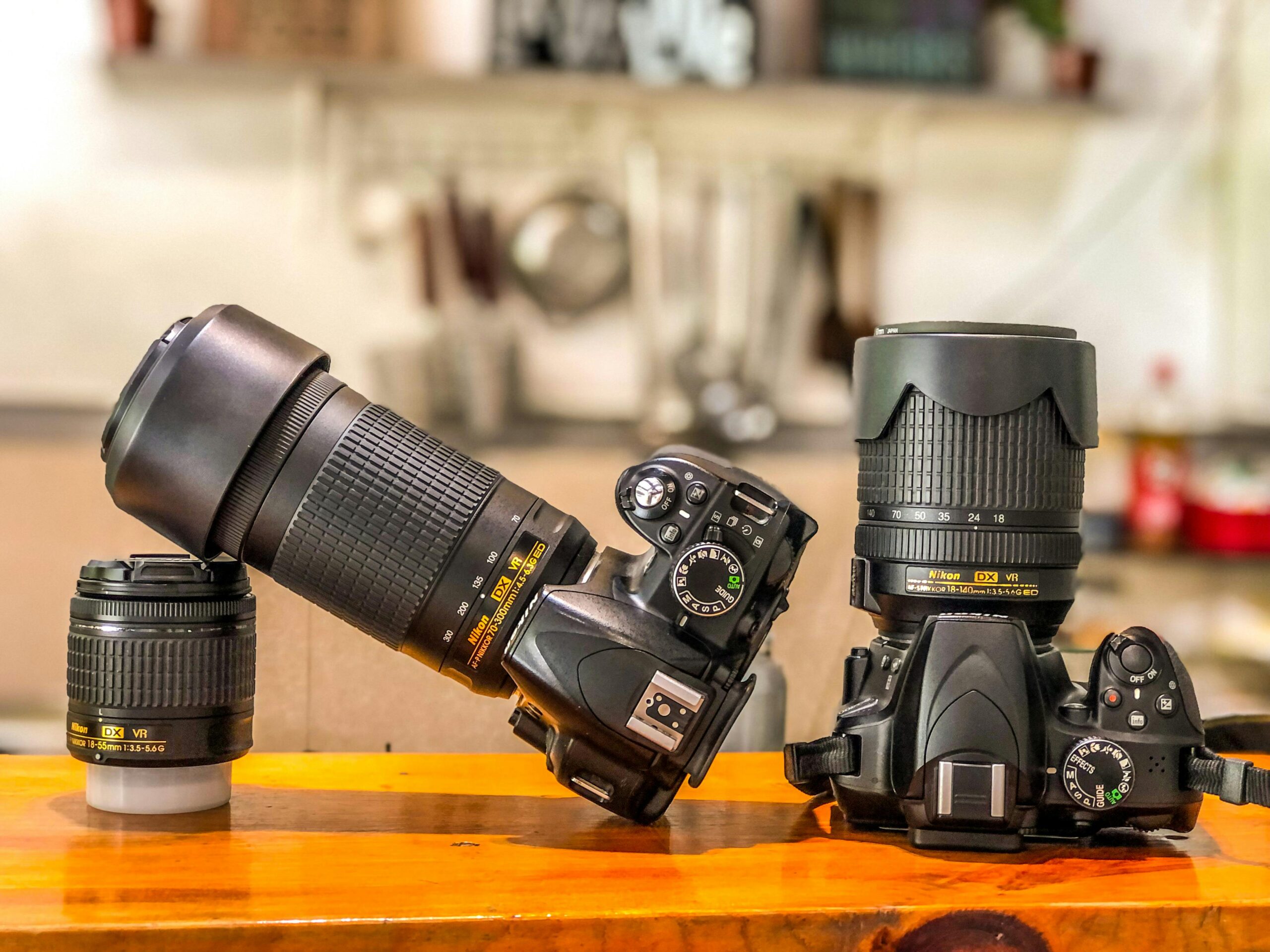
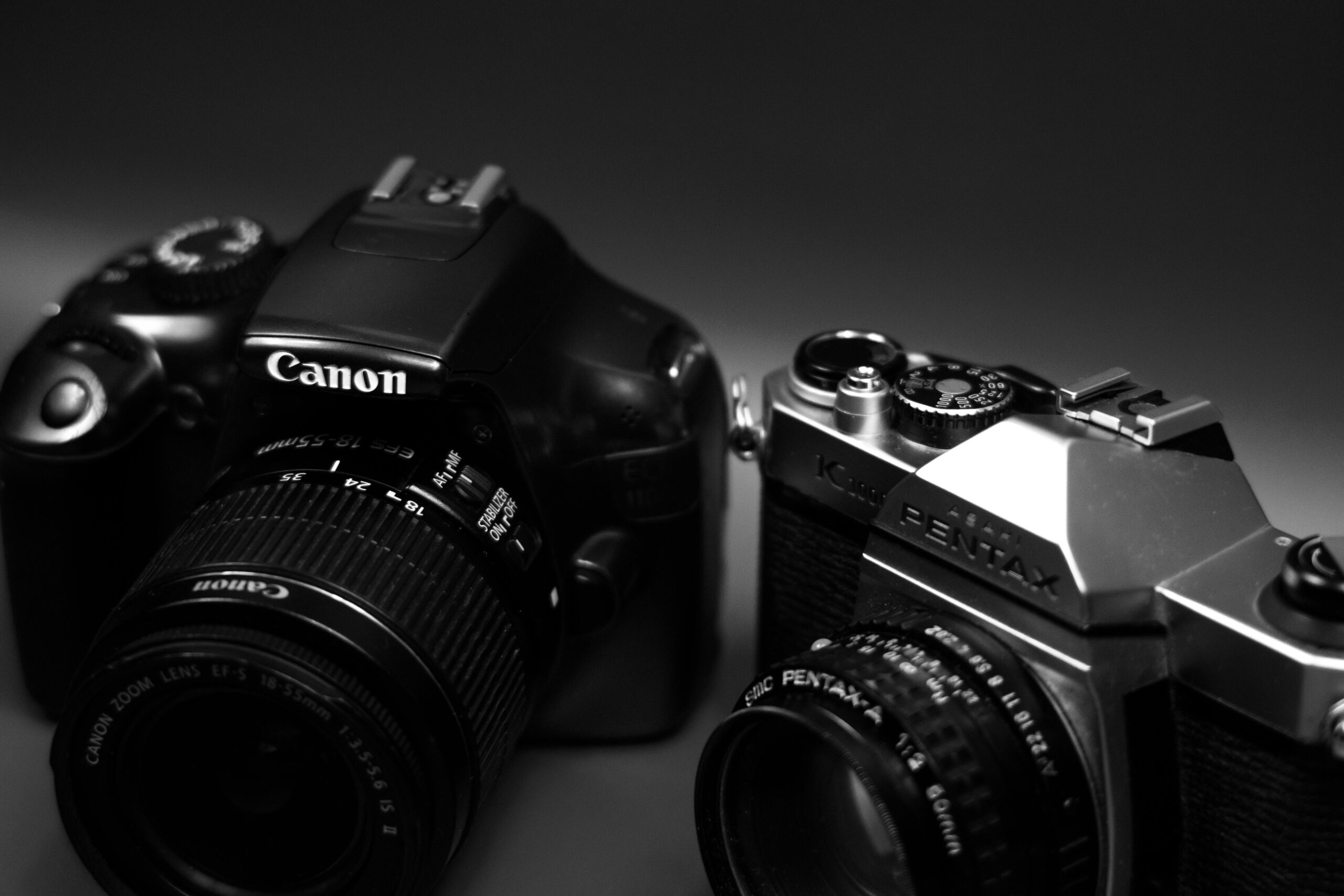
1. DSLR Cameras
DSLRs are known for their optical viewfinders, strong battery life, and vast lens options. They remain popular among professionals and enthusiasts who value traditional handling and durability, Best Cameras for Travel Photography.
Pros:
-
Excellent image quality
-
Long battery life
-
Wide range of lenses and accessories
-
Great ergonomics for large hands
Cons:
-
Bulky and heavy for long travel days
-
Mirror mechanisms add weight and noise
Best For: Long-term travelers, documentary photographers, or those who don’t mind carrying extra gear for top performance, Best Cameras for Travel Photography.
Popular models: Canon 90D, Nikon D780, Canon Rebel T8i.
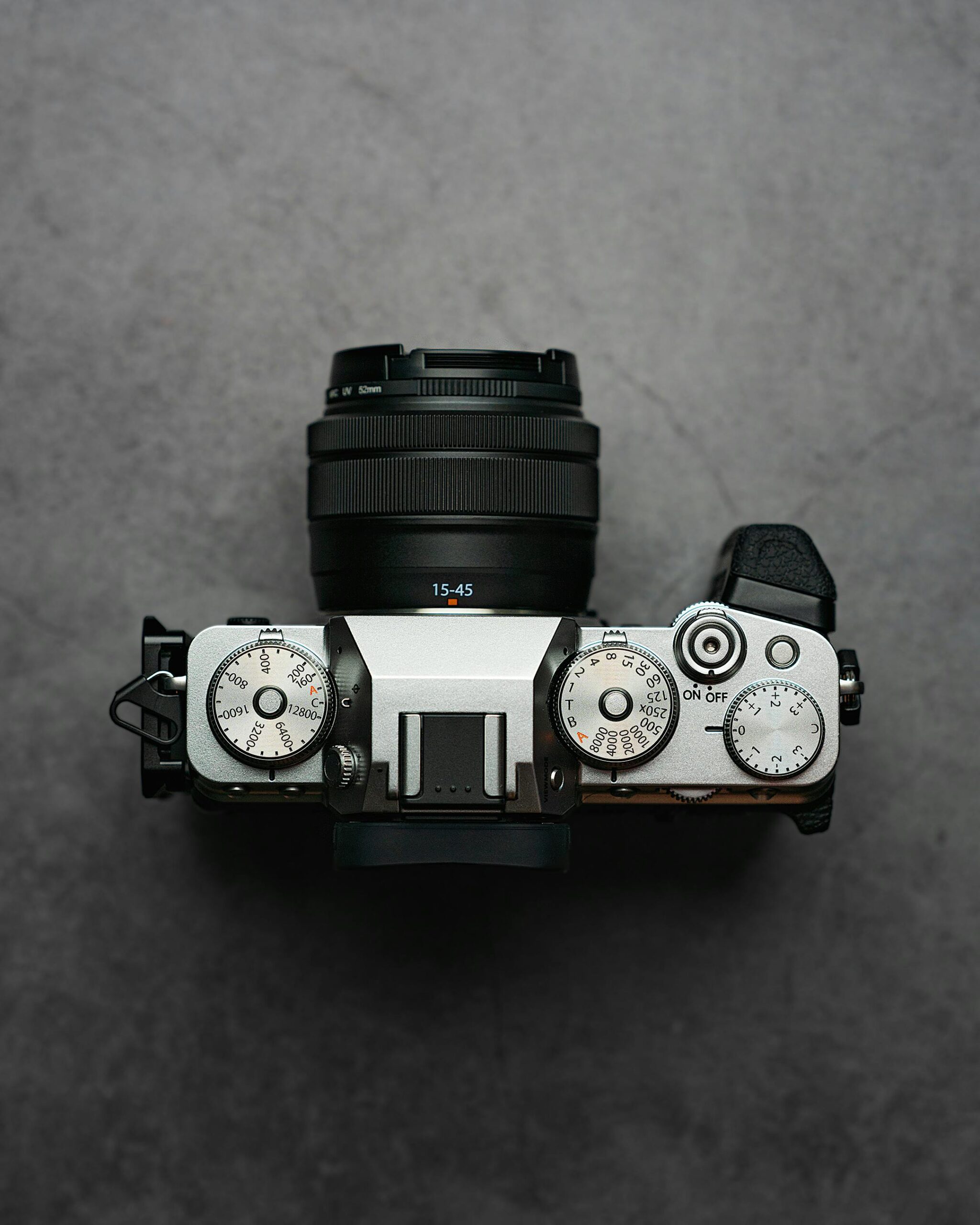
2. Mirrorless Cameras
Mirrorless cameras have revolutionized travel photography. They use digital viewfinders and are smaller, faster, and often more versatile than DSLRs. Most new camera innovations happen in the mirrorless category.
Pros:
-
Lightweight and compact
-
Fast autofocus and shooting speed
-
Silent operation
-
Excellent video capabilities
Cons:
-
Shorter battery life
-
Typically more expensive lenses
Best For: Travelers who want high-end performance without bulk, Best Cameras for Travel Photography.
Popular models: Sony A7C II, Canon EOS R10, Fujifilm X-S20, Nikon Z5.
3. Compact (Point-and-Shoot) Cameras
Compact cameras are small, all-in-one devices with built-in lenses. They’re perfect for travelers who prefer minimalism or those who want a backup camera.
Pros:
-
Extremely portable
-
Simple to use
-
Great for quick snapshots
Cons:
-
Smaller sensors limit low-light performance
-
Fewer manual controls
Best For: Casual travelers, families, or anyone who values simplicity over customization, Best Cameras for Travel Photography.
Popular models: Sony RX100 VII, Canon G7 X Mark III, Panasonic LX100 II.
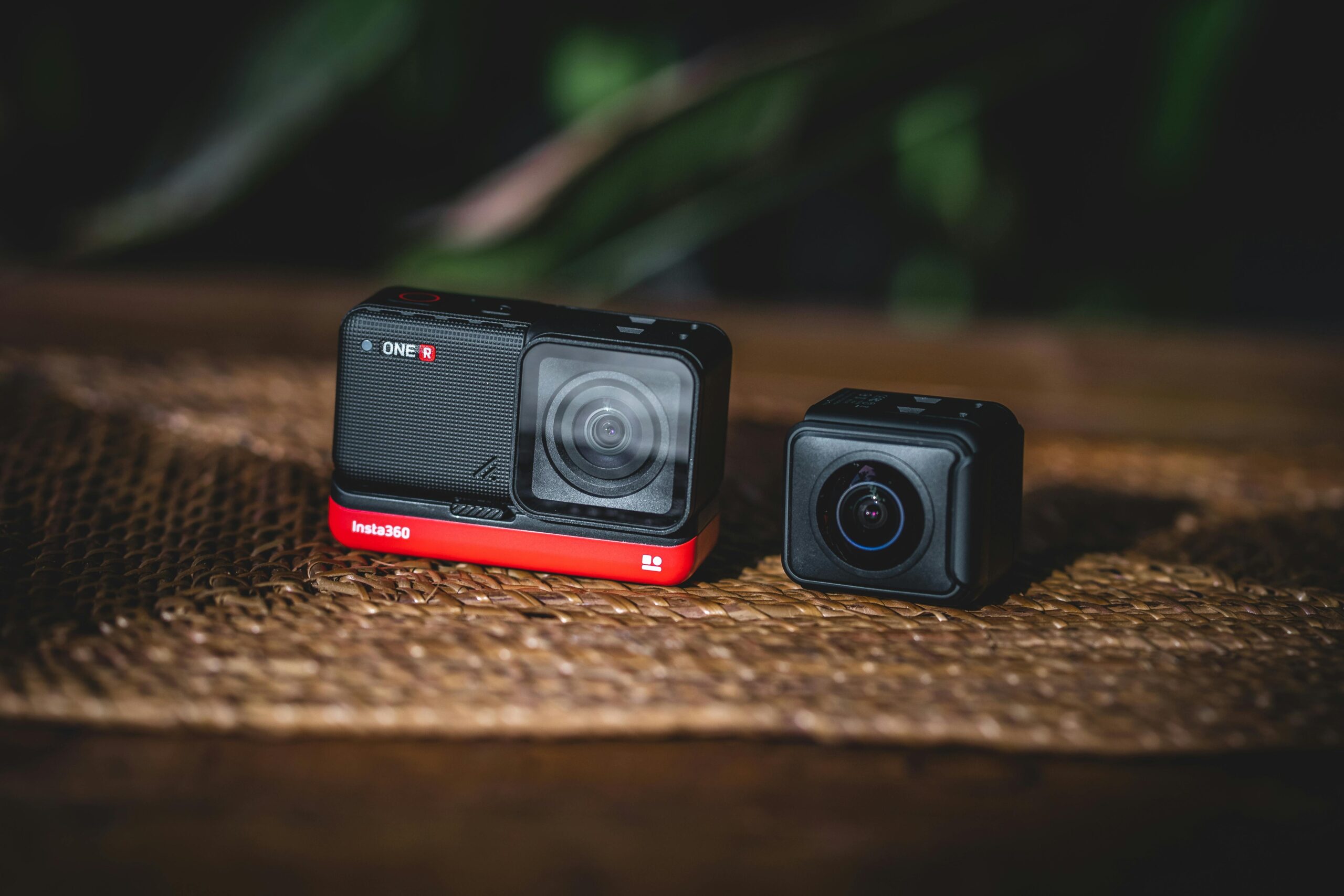
4. Action Cameras
Designed for adventure, action cameras like GoPro are built tough and compact. They’re ideal for underwater shots, biking, hiking, or extreme sports.
Pros:
-
Rugged, waterproof design
-
Ultra-wide field of view
-
Easy mounting options
Cons:
-
Limited zoom
-
Smaller sensors
Best For: Adventure travelers, divers, vloggers, and outdoor sports lovers, Best Cameras for Travel Photography.
Popular models: GoPro Hero 13 Black, DJI Osmo Action 5, Insta360 X4.
5. Bridge (Superzoom) Cameras
These cameras bridge the gap between compacts and DSLRs. They offer fixed lenses with huge zoom ranges.
Pros:
-
Incredible zoom reach
-
No need for multiple lenses
-
Decent manual control
Cons:
-
Bulky for a fixed-lens camera
-
Smaller sensors
Best For: Safari or wildlife travelers who want powerful zoom without changing lenses, Best Cameras for Travel Photography.
Popular models: Sony RX10 IV, Panasonic FZ1000 II.
6. Smartphones
Today’s flagship smartphones are shockingly capable. Devices like the iPhone 15 Pro and Google Pixel 9 capture RAW photos, night shots, and stabilized 4K videos.

Pros:
-
Always with you
-
Lightweight and instant sharing
-
Great computational photography
Cons:
-
Limited sensor size
-
Lack of optical zoom (except in premium models)
Best For: Minimalist travelers and casual photographers who want convenience, Best Cameras for Travel Photography.
Pingback: 100 Best Indian Food - Funday