
Introduction:
The Power Hidden in Every Decision
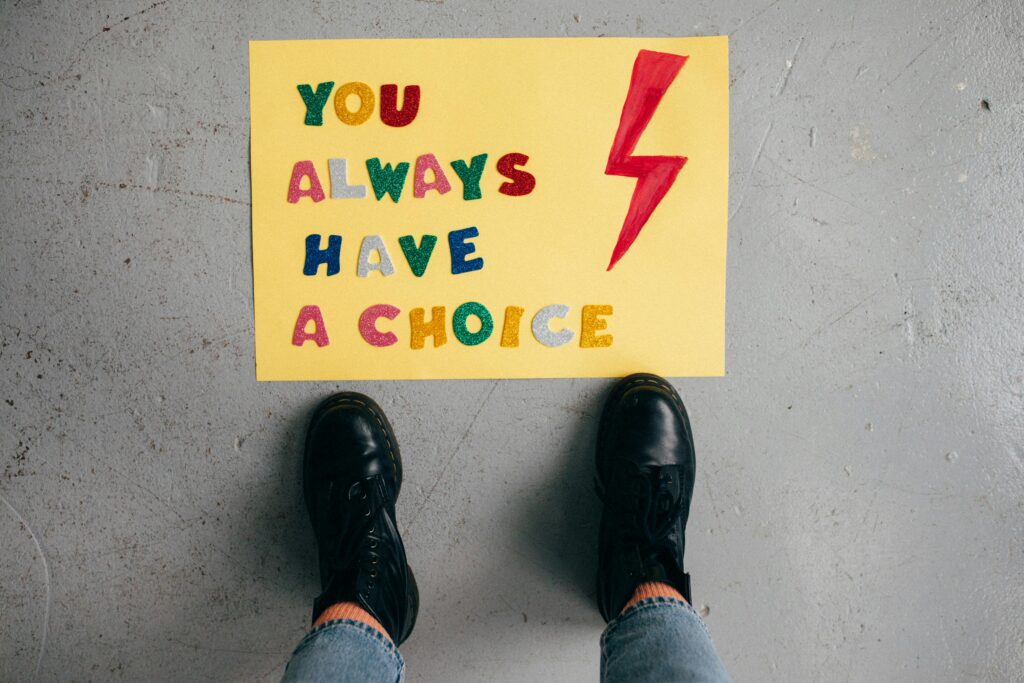
You Always Have A Choice, Life can often feel like a series of events that happen to us. Circumstances shift, people change, and unexpected challenges emerge. In those moments, it’s easy to believe we are powerless — that life has already written our story and we are merely following the script. Yet, the truth is far more empowering: you always have a choice.

You Always Have A Choice, If you want to do something in life, then speak but the meaning should be big, and you should never consider yourself to be lazy. Every day, from the simplest acts like choosing what to wear, to the life-altering decisions about relationships, careers, and purpose — choice defines who we are. It shapes our identity, builds our resilience, and determines the quality of our lives. Even in situations where we cannot control what happens, we still have one sacred freedom: the power to choose how we respond.
This article explores the philosophy and psychology behind choice — how it impacts our emotions, relationships, and destiny. By the end, you’ll see that even when life feels uncertain or unfair, you are never truly stuck. The power of choice is always yours.
1. Understanding the Concept of Choice
Choice is not merely the act of selecting between two or more options. It is the conscious exercise of our will, guided by values, awareness, and intention. Unlike animals that act on instinct, human beings have the unique ability to reflect, analyze, and decide. This ability gives meaning to our lives.
Every choice carries consequences — some immediate, some delayed — but all significant. Understanding this helps us become more mindful decision-makers rather than impulsive reactors. Life doesn’t always give us control over events, but it gives us control over perspective, attitude, and effort.
To say “you always have a choice” does not mean life is easy. It means that even when all options seem painful, we still possess agency. We can choose to face hardship with strength or surrender to despair. We can choose growth over bitterness, gratitude over complaint, and action over inaction.
2. The Illusion of No Choice
Many people feel trapped — in jobs they dislike, relationships that drain them, or lifestyles that no longer reflect their values. This sense of helplessness comes from a common illusion: the belief that we have no choice.
You Always Have A Choice, But even in restrictive environments, choices exist. They may be small, subtle, or difficult, but they are real. For instance:
-
You may not choose the family you were born into, but you can choose how you treat them and what values you carry forward.
-
You may not control your boss’s attitude, but you can choose your professionalism and integrity.
-
You may not prevent pain or loss, but you can choose how to heal and what meaning you give to it.
The illusion of no choice is often born out of fear — fear of change, failure, or judgment. When fear dominates, it narrows our vision, making us believe there’s only one path. Yet, when courage steps in, new possibilities appear.
3. Freedom and Responsibility, You Always Have A Choice
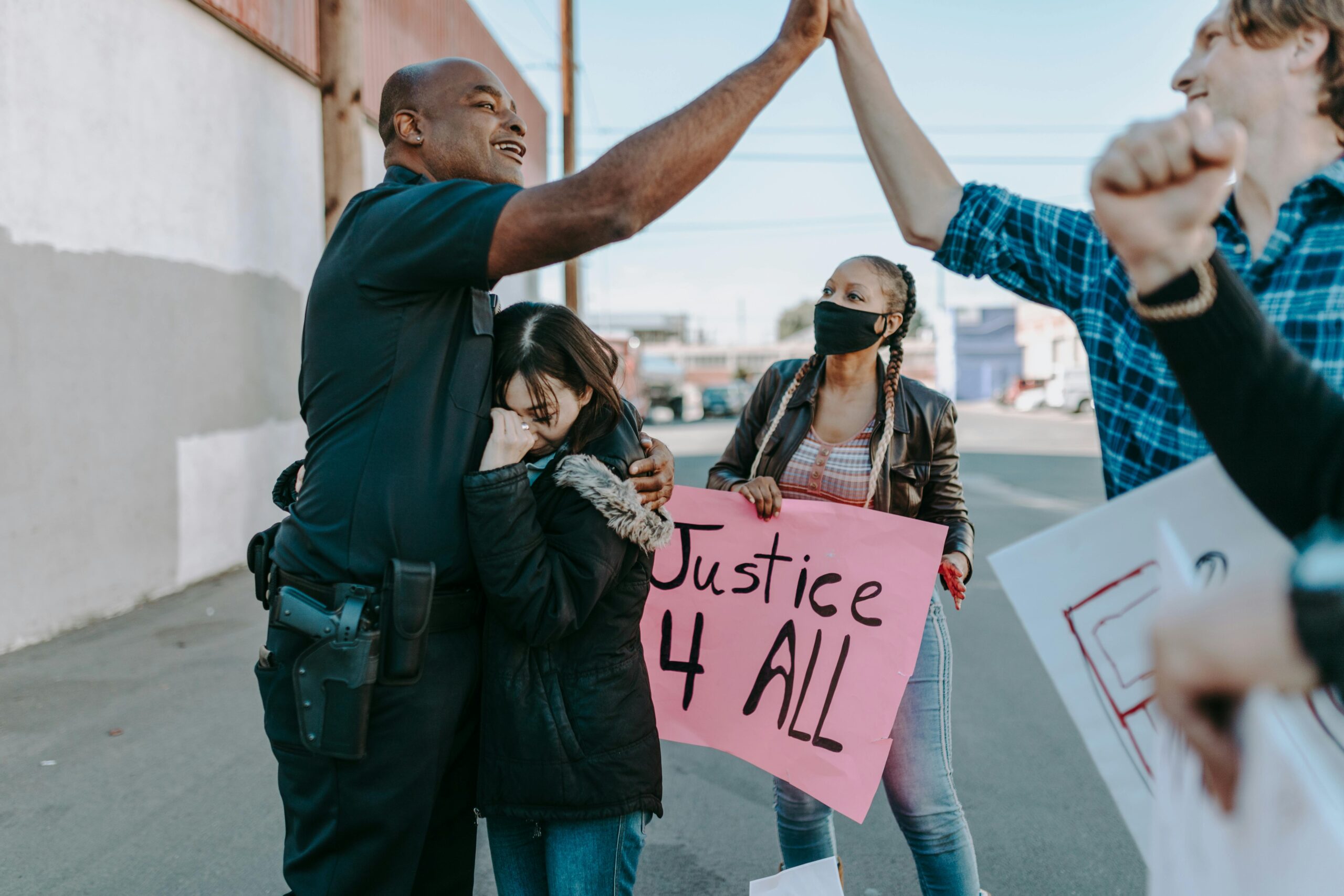
You Always Have A Choice, Freedom without responsibility is chaos. Responsibility without freedom is oppression. Choice is the bridge between the two.
Every time you make a choice, you exercise freedom — but that freedom comes with responsibility for the outcome. This is what makes choice both empowering and challenging. You are not just choosing an action; you are choosing a consequence.
Responsible choice-making means owning your decisions, learning from mistakes, and not blaming others for results you participated in creating. It’s tempting to shift responsibility — to say, “I had no choice,” or “They made me do it.” But growth begins when you recognize that your life is shaped by your responses, not just your circumstances.
As Viktor Frankl, a Holocaust survivor and psychiatrist, once wrote:
“Everything can be taken from a man but one thing: the last of the human freedoms — to choose one’s attitude in any given set of circumstances.”
4. The Psychology of Choice
From a psychological standpoint, choice plays a major role in emotional well-being. When people feel they have control or autonomy, they tend to be happier, more motivated, and more resilient.
Researchers call this the locus of control — the extent to which individuals believe they have power over their lives. Those with an internal locus of control believe that their actions matter. Those with an external locus of control believe life happens to them. Studies consistently show that people with an internal locus of control experience greater satisfaction and lower stress.
This doesn’t mean you should ignore external realities — poverty, illness, or social barriers are real. But even within those realities, mindset plays a powerful role. Choosing to act within your sphere of influence — no matter how small — can dramatically shift how you experience life.
5. Everyday Choices that Shape Your Life
You Always Have A Choice, Big decisions get attention, but small, everyday choices quietly define your future. Consider these:
-
What you focus on. You can choose to focus on problems or possibilities.
-
What you say to yourself. You can choose kindness or criticism in your inner dialogue.
-
How you spend time. You can choose to invest time in growth or waste it on distraction.
-
Who you surround yourself with. You can choose people who lift you up or those who hold you back.
-
How you treat others. You can choose empathy over judgment.
-
How you handle failure, You Always Have A Choice. You can choose to learn or to quit.
Each small decision, repeated daily, builds character and direction. Your habits are simply choices you’ve made so often that they’ve become automatic. To change your life, start by changing one small choice at a time.
6. The Role of Choice in Overcoming Adversity
Adversity tests our strength and reveals what we truly value. When everything goes wrong, choice becomes a lifeline. Choosing hope in despair, courage in fear, and forgiveness in anger transforms suffering into growth.
Consider examples from real life:
-
Nelson Mandela, who spent 27 years in prison, chose reconciliation over revenge. His choice created a path for healing in South Africa.
-
Malala Yousafzai, after surviving an assassination attempt, chose education and activism over silence and fear.
-
Nick Vujicic, born without limbs, chose gratitude and faith instead of self-pity. He became a global inspiration.
Their circumstances were extreme, but their power of choice was the same one available to us all — the decision to define reality rather than be defined by it.
7. How Fear Influences Our Choices
Fear is the most powerful force that limits human choice. Fear of the unknown, of rejection, of losing comfort — these fears whisper that it’s safer to stay where we are. But every major life change requires walking through fear.

Courage is not the absence of fear; it’s the choice to act despite it. When fear says, “You can’t,” courage replies, “Watch me.” Recognizing fear as a signal — not a stop sign — helps you take back control.
You always have a choice to challenge fear with curiosity, to replace “What if I fail?” with “What if I succeed?” The moment you do, your world expands.
8. The Cost of Not Choosing, You Always Have A Choice
Indecision is also a choice — You Always Have A Choice and often the most dangerous one. When you refuse to decide, you allow life or others to decide for you. You drift instead of directing your path. Opportunities pass, relationships fade, and growth stalls.
Not choosing keeps you comfortable but unfulfilled. Every dream deferred, every risk avoided, carries a quiet cost — the loss of potential. Time will move forward whether you choose or not, so it’s wiser to be the author of your story than a spectator.
9. Choice and Relationships
Healthy relationships are built on choices — to communicate, to listen, to forgive, to stay, or to walk away. You cannot control how others behave, but you can always choose how you respond.
Choosing love means being intentional — showing kindness even when it’s not reciprocated, setting boundaries without guilt, and walking away from toxicity with grace. The power of choice protects your peace and maintains your dignity.
In relationships, people often say, “I can’t help how I feel.” That may be true, but you can help how you act on those feelings. Emotional maturity begins when you choose behavior over impulse.
10. Choice in the Face of Failure, You Always Have A Choice
You Always Have A Choice, Failure can break you or build you. The difference lies in the choice you make afterward. Do you see failure as a verdict or as feedback?

Every successful person — from inventors to artists to athletes — has failed repeatedly. What sets them apart is their decision to keep going. Thomas Edison famously said, “I have not failed. I’ve just found 10,000 ways that won’t work.” That mindset turns setbacks into steppingstones.
When you fail, you can choose to wallow or to learn. Choose curiosity: “What can this teach me?” Each failure becomes an investment in future wisdom.
11. The Moral Dimension of Choice
Every choice has a moral weight. Choosing honesty over deceit, compassion over cruelty, integrity over convenience — these are the decisions that build a meaningful life.
Ethical choices are rarely easy; they often require sacrifice. Yet, when you choose what’s right instead of what’s easy, you strengthen your character. The quiet satisfaction of living by your principles lasts longer than any shortcut.
12. The Ripple Effect of Choices
You Always Have A Choice, Your choices don’t just affect you; they influence others — sometimes in ways you may never see. A kind word might save a life. A small act of generosity can inspire a chain of kindness. Choosing patience instead of anger can transform an entire conversation.
We are all connected, and our decisions create ripples across families, workplaces, and communities. This awareness adds depth to our responsibility — we are not just choosing for ourselves, but shaping the world around us.
13. How to Make Better Choices, You Always Have A Choice
You Always Have A Choice, Making wise decisions requires clarity and mindfulness. Here are steps that help:
-
Pause before reacting. Give yourself space to think.
-
Gather facts. Don’t decide based on emotion alone.
-
Consider long-term impact. Ask, “How will this choice affect me a year from now?”
-
Listen to intuition. Logic guides, but intuition whispers truth.
-
Align with your values. The right choice always reflects your core beliefs.
-
Be willing to adapt. If a decision doesn’t serve you, learn and redirect.
Good choices come from awareness. Bad choices come from autopilot. Stay awake to your life.
14. Choosing Your Mindset, You Always Have A Choice
Your mindset is a daily choice. You can choose to see life as a battlefield or a classroom; as a punishment or a gift. Every morning you decide whether to carry yesterday’s pain or today’s potential.
Gratitude, optimism, and resilience are not traits you’re born with — they’re choices you practice. And like muscles, they strengthen with use. Choosing a positive mindset doesn’t mean ignoring problems; it means facing them with hope and purpose.
15. Choice and Personal Growth
Growth requires discomfort. When you choose to step outside your comfort zone, you open doors to self-discovery. Every challenge you embrace becomes a mirror, showing you what you’re capable of.

You always have a choice: to stay safe or to evolve. To complain or to create. To be a victim or a visionary. The direction you choose determines the person you become.
Personal development is not about fixing yourself — it’s about choosing who you want to be and taking consistent steps toward it.
16. When Choices Are Hard
Some choices tear at the heart — letting go of a loved one, leaving a familiar place, or ending a dream. Hard choices reveal what truly matters. They force clarity.
When every option hurts, choose the one that aligns with truth and growth. Pain that comes from authenticity is always more bearable than pain that comes from pretending.
Sometimes, the best choice is not the easiest one but the one that honors your future self.
17. Teaching Choice to the Next Generation, You Always Have A Choice
Empowering children and young adults to make conscious choices is one of the greatest gifts society can offer. Teaching them that they are not defined by mistakes, that they can always start over, builds emotional intelligence and resilience.

Encourage them to question, to reflect, and to take responsibility. When they learn that every choice has power, they carry that awareness into adulthood — shaping a more mindful generation.
18. Spiritual Perspective on Choice
You Always Have A Choice, Across faiths and philosophies, the idea of free will is central. Whether you believe in destiny, divine guidance, or cosmic flow — the ability to choose remains sacred. Choice gives meaning to faith because belief itself is a choice.
Spiritual growth often begins when we choose surrender — not as weakness, but as trust. Choosing peace over control, forgiveness over resentment, and love over ego aligns us with a higher purpose.
The Balance Between Destiny and Free Will
A common question in spirituality is: If everything is predestined, do we truly have a choice?
The answer lies in understanding balance. Destiny may determine the situations we encounter, but free will determines how we respond.
You may not control the challenges that appear in your life, but you can always choose your attitude, your perspective, and your actions. In this way, destiny provides the stage, but free will writes the script.
This dynamic relationship between fate and choice is what makes life both mysterious and meaningful. Our souls evolve not because of the conditions we face but because of the choices we make within those conditions.
The Energy of Intention, You Always Have A Choice
Every choice is not just a physical or mental act — it carries energy. That energy is known as intention. Spiritually speaking, the intention behind a choice matters more than the choice itself. Two people may perform the same act, but their intentions can make one act selfish and another sacred.

When your intentions are rooted in love, honesty, and compassion, you send positive energy into the universe. That energy returns to you, shaping your reality. This is often described as karma — the law of cause and effect — where every thought, word, and action creates ripples in the fabric of existence.
Choosing with pure intention aligns your life with divine flow. You stop struggling against life and start moving with it. This is the essence of spiritual harmony.
The Ego and the Higher Self
Within every human being, there are two inner voices: the ego and the higher self. The ego chooses based on fear, pride, and desire for control. The higher self chooses based on love, truth, and wisdom.
Spiritual growth is the gradual process of shifting from ego-based choices to soul-based choices. When you listen to your higher self, your decisions become clearer, kinder, and more peaceful. You stop reacting to life and start co-creating with it.
This doesn’t mean denying the ego — it means transforming it. The ego is not your enemy; it is your teacher. Each time you choose awareness over impulse, humility over pride, compassion over judgment, you integrate your ego and raise your consciousness.
19. The Choice to Begin Again, You Always Have A Choice

You Always Have A Choice, No matter what you’ve done or how far you’ve strayed, you can always choose to begin again. The past cannot imprison you unless you hand it the key. Each sunrise offers a fresh opportunity to rewrite your story.
Forgive yourself. Learn. Choose differently. Growth is not about perfection; it’s about progress. The courage to start over is one of the most powerful choices you can make.
20. Choosing Love Over Fear
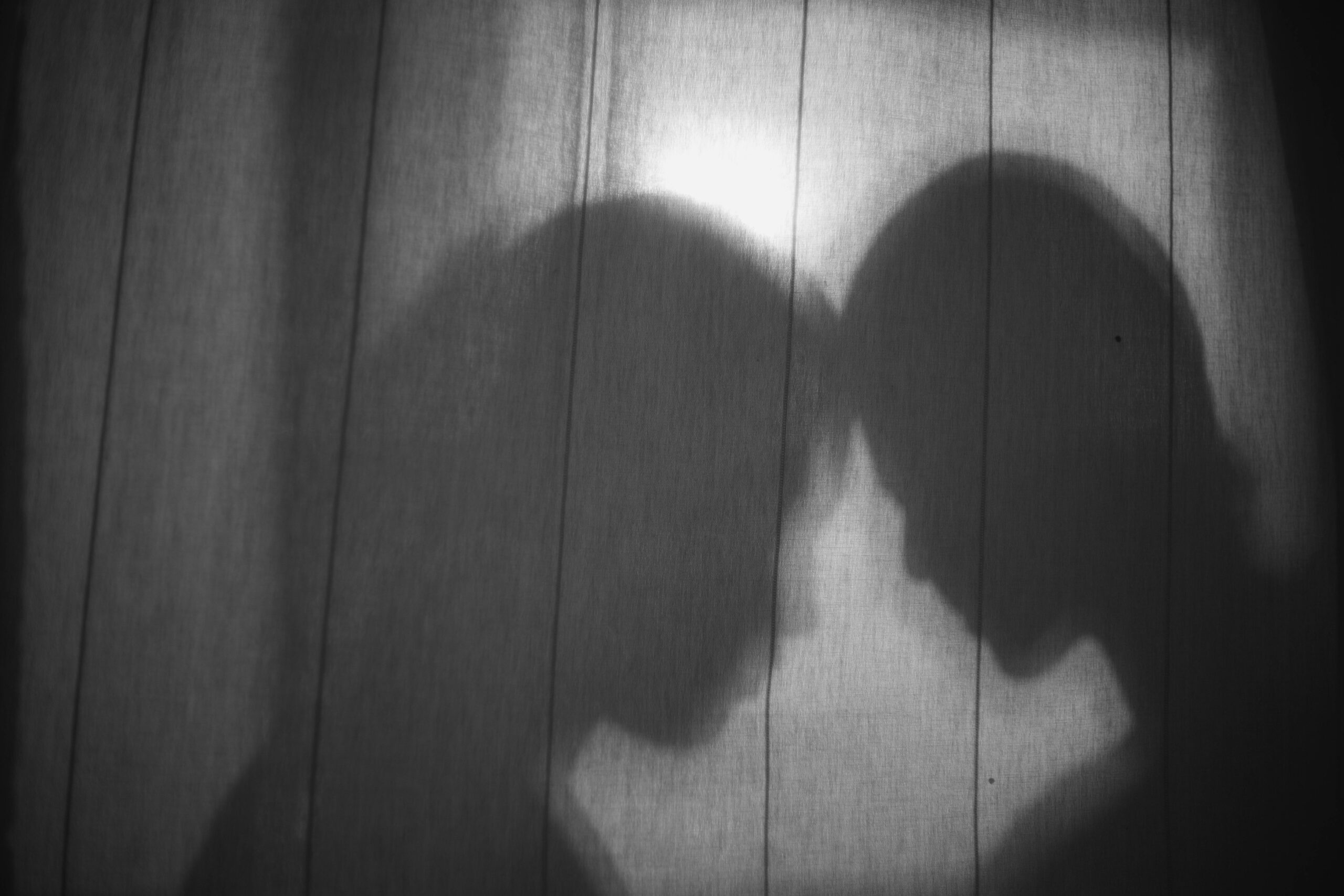
“You Always Have A Choice”, At its core, spirituality teaches that life’s greatest choice is between love and fear. Every thought, word, and action originates from one of these two energies.
-
Fear chooses separation, control, and judgment.
-
Love chooses unity, acceptance, and trust.
When you choose love, you align yourself with the highest vibration of the universe. Love expands consciousness; fear contracts it. Love heals, while fear harms. Love brings clarity; fear clouds judgment.
Choosing love is not weakness — it is divine strength. It means acting with compassion even when the world feels cruel, and keeping faith even when the path is dark. This is the spiritual power of choice: it transforms both the chooser and the world around them.
21. Conclusion:
The Freedom to Choose Your Life, You Always Have A Choice
Life is a mosaic of moments, You Always Have A Choice and each moment carries a choice. The person you become, the happiness you experience, the peace you feel — all are built from choices, one decision at a time.
“You always have a choice” is not just a motivational phrase. It’s a truth that liberates. It means you are not powerless, not a product of fate alone. You hold the pen that writes your story.
Choose love over fear. Growth over comfort. Hope over despair.
Because no matter what life brings — you always have a choice.
Pingback: Yoga Poses for Better Sleep - Funday