

Introduction – 100 Best Offline Mind Fresh Games
In today’s digital world, where screens dominate every corner of our lives, finding a sense of peace and balance has become more important than ever. We’re surrounded by notifications, deadlines, and the constant rush of online life — leaving little room for the mind to breathe. But what if the key to mental refreshment isn’t found in meditation apps or long vacations, but in something as simple as a game? Not just any game — but a mind fresh game that you can play offline, away from the internet’s endless distractions.

Offline mind fresh games are more than just a pastime. They are small windows of escape, offering your brain a break from overthinking, stress, and fatigue. These games can calm your nerves, boost creativity, sharpen focus, and most importantly, refresh your mind — just like a deep breath on a peaceful morning. Whether it’s solving puzzles, arranging colors, playing strategy games, or simply enjoying traditional classics, these activities stimulate your mental faculties in fun, engaging ways.
In a fast-paced environment, our minds are constantly working — processing information, handling emotions, and managing responsibilities. This continuous cognitive overload often leads to burnout, irritability, and fatigue. That’s why mind refreshment isn’t a luxury anymore; it’s a necessity. And games — especially offline games — provide one of the simplest yet most effective ways to relax and recharge.
Unlike online games that depend on competition, ads, or notifications, offline games offer solitude and focus. They allow you to dive deep into the moment, without interruptions. They encourage mindfulness — a state of being fully present and immersed in what you’re doing. You’re not worrying about messages or leaderboards; you’re simply playing, thinking, and enjoying.
Offline mind fresh games bridge the gap between relaxation and mental exercise. Some games train the brain with puzzles or logic challenges, while others soothe it with calm visuals, smooth music, or slow-paced mechanics. In essence, they refresh your mind through joy, focus, and simplicity.
Why Mind Fresh Games Matter
The human brain thrives on stimulation — but too much stimulation can lead to exhaustion. Think of your brain like a muscle. It needs exercise, but it also needs rest. Games that refresh the mind act as a perfect blend of both. They exercise your thinking abilities while relaxing your emotions.
When we play, our brain releases dopamine, the “feel-good” hormone that promotes happiness and motivation. A well-designed offline game keeps you engaged just enough to feel challenged, but not overwhelmed. This delicate balance helps reduce stress, elevate mood, and reset your mental state.
Furthermore, mind fresh games teach us to focus — something that’s becoming increasingly rare in the era of distractions. By focusing on one simple task, like solving a puzzle or aligning shapes, your mind finds clarity. These small bursts of concentration can later improve your performance in real-life activities, from work to studies.
The Beauty of Offline Gaming
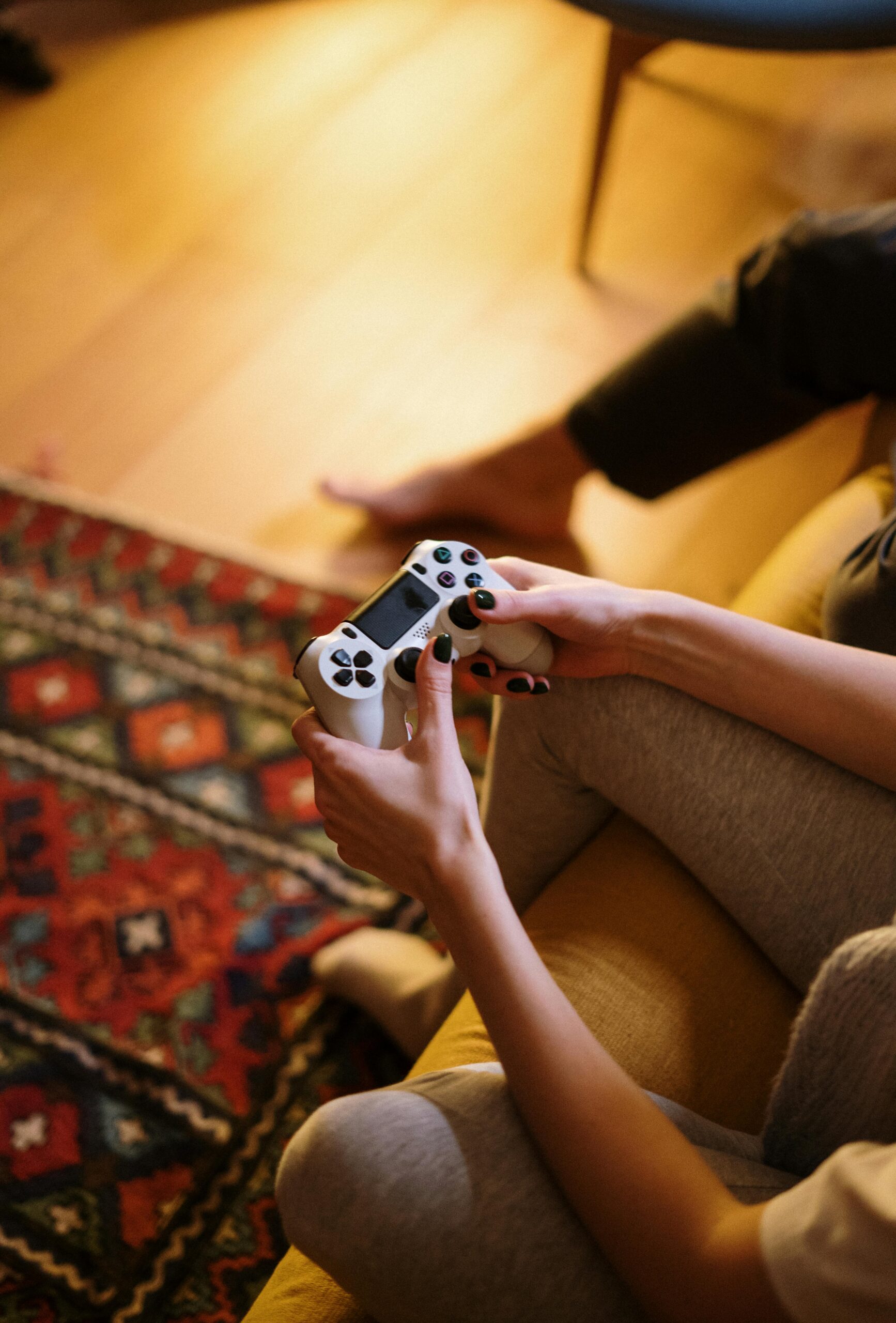
There’s something beautifully nostalgic about playing offline games. Many of us grew up playing simple games without Wi-Fi — whether it was chess, carrom, ludo, or handheld puzzles. Those moments weren’t just entertaining; they were peaceful, bonding experiences.
Offline games bring back that lost simplicity. They remind us of the time when joy came from creativity, not competition. They give you a sense of control — you can play at your own pace, stop whenever you want, and focus solely on the pleasure of the game itself.
Playing offline games also helps you disconnect. In a world constantly demanding your attention through notifications and updates, being offline feels like a deep breath after a long day. It’s like switching off the world and turning on your inner calm.
Offline Games and Mental Health
Scientific research has shown that games — especially puzzle and strategy-based ones — can have positive effects on mental health. They stimulate brain function, improve memory, and enhance decision-making skills.
When you play an offline game that’s soothing and engaging, it triggers relaxation responses in the brain. This reduces cortisol levels (the stress hormone), helping you feel lighter and happier.
Offline games also encourage mindfulness — a form of meditation through play. By focusing completely on one task, your mind becomes still. It’s similar to meditation but with movement, color, and creativity involved. That’s why therapists often recommend puzzles, memory games, or tactile board games as relaxation tools.
What Makes a Game “Mind Fresh”?
You might wonder — what exactly qualifies as a “mind fresh” game? It’s not about how complex or popular a game is, but how it makes you feel. A mind fresh game should:
-
Calm your nerves and reduce anxiety.
-
Encourage focus and mindfulness.
-
Provide a sense of accomplishment without pressure.
-
Stimulate creativity and positivity.
-
Be enjoyable without internet or competition.
Games like Sudoku, Chess, Monument Valley, or even offline coloring apps all share these qualities. They let you immerse yourself in an activity that rejuvenates your thoughts, refreshes your energy, and brings a quiet smile to your face.
Why Offline Is Better for the Mind
It’s easy to assume that all games refresh the mind, but online ones often do the opposite. Online gaming platforms are full of distractions — pop-up ads, in-game purchases, and constant notifications — all of which trigger anxiety rather than calm.

Offline games, on the other hand, are peaceful sanctuaries. They don’t demand internet connectivity or social validation. You play them purely for joy, not for comparison. This makes offline games mentally healing.
The absence of digital noise allows your brain to rest. You’re not multitasking between messages and scores; you’re just playing — wholeheartedly. That’s why psychologists often recommend offline gaming as a mindful activity to reduce digital fatigue.
Offline Games: The New Meditation
Meditation has long been known as a powerful tool for mental health. Interestingly, certain offline games produce similar effects. Games like jigsaw puzzles, solitaire, and coloring games engage your focus so deeply that you enter a meditative state known as “flow.”
In this state, your sense of time disappears. You’re neither stressed nor bored — just peacefully absorbed in the task. The flow state is known to increase happiness, productivity, and emotional balance.
So, even if traditional meditation isn’t your style, offline mind fresh games can be your playful alternative. They help you achieve calmness through fun rather than silence.
Different Types of Offline Mind Fresh Games

The beauty of offline games lies in their diversity. There’s something for every mood and personality:
-
Puzzle Games: Sudoku, crosswords, jigsaw puzzles — perfect for logical thinking and calm focus.
-
Board Games: Chess, ludo, carrom — great for strategy, patience, and social bonding.
-
Creative Games: Coloring books, music rhythm games, doodle challenges — ideal for artists at heart.
-
Outdoor Games: Badminton, frisbee, hopscotch — combining mental freshness with physical movement.
-
Card Games: Solitaire, rummy, memory matching — classic mind relaxers.
Each type offers a different way to refresh your mind. Some challenge your intellect, while others soothe your soul. Together, they create a balanced mix of entertainment and mental rejuvenation.
Offline Games for All Ages
One of the best things about offline mind fresh games is that they’re timeless and universal. Whether you’re a child, adult, or senior, there’s always something that fits your pace.

For kids, these games enhance concentration and imagination. For adults, they serve as stress-busters after a long day. For seniors, they help improve memory and mental agility.
Offline games also bring generations together. Playing ludo or carrom with family builds laughter and emotional connection. These shared experiences are what truly refresh the heart and mind.
The Role of Offline Games in a Balanced Lifestyle
Our lifestyle today revolves around productivity — endless emails, deadlines, and social feeds. But a truly balanced life isn’t just about doing more; it’s about feeling better. That’s where offline games make a difference.
They teach you to slow down. To enjoy simple pleasures. To step away from chaos and find serenity in small moments. Even a 15-minute break with a relaxing game can improve your focus, creativity, and overall well-being.
Offline mind fresh games remind you that joy doesn’t have to come from complexity — sometimes it comes from simplicity, patience, and playfulness.
Offline vs. Online Games – A Deeper Look
| Feature | Offline Games | Online Games |
|---|---|---|
| Internet Required | No | Yes |
| Ads & Distractions | None | Frequent |
| Stress Level | Low | Often High |
| Social Comparison | None | Common |
| Mindfulness | High | Low |
| Accessibility | Play Anywhere | Needs Connection |
Offline games give you complete freedom — no pings, no updates, no competition. Just you, your thoughts, and a joyful moment of escape.
Offline Games and Emotional Wellness
Playing offline mind fresh games can be deeply therapeutic. When life feels heavy, engaging in a simple game can help lift your spirits. The act of playing releases tension, helps you regain emotional balance, and offers a safe outlet for self-expression.
These games also foster patience and resilience. Losing a chess game, for example, teaches strategic thinking and calmness — lessons that extend beyond the board. Over time, you become more relaxed, positive, and emotionally strong.
How Offline Games Improve Focus and Memory
Introduction
Offline mind fresh games require attention to detail and problem-solving — both of which stimulate the brain’s memory centers. Regular play can enhance cognitive abilities, boost multitasking skills, and improve your ability to concentrate.

Games like crosswords and Sudoku exercise your short-term memory and reasoning. Strategy-based games like chess train your mind to think ahead, strengthening decision-making abilities.
Simply put, offline games are fun mental workouts disguised as leisure.
In today’s fast-paced, tech-driven world, our attention spans are constantly under attack. Notifications, screens, and endless scrolling have made it difficult to stay focused. But what if the key to sharpening your mind lies in something simple and timeless — offline games?
Offline games aren’t just a form of entertainment. They serve as mental workouts, training your brain to focus better, remember more, and think faster. Let’s dive into how these classic forms of play can improve both focus and memory in surprising ways.
What Are Offline Games?
Offline games are activities that don’t rely on internet connections or digital devices. They include board games, card games, puzzles, word games, and strategy-based activities like chess or Sudoku.
Unlike online gaming, offline games require you to think critically without distractions from ads, chats, or pop-ups — making them perfect for mental training.
The Science Behind Focus and Memory
Focus is your brain’s ability to direct attention to a task, while memory is its ability to store and retrieve information. When you play offline games, your brain forms new neural connections and strengthens existing ones.
Research in cognitive psychology shows that challenging mental activities — such as solving puzzles or planning moves in chess — activate the prefrontal cortex, the region responsible for decision-making and concentration. Over time, this leads to improved attention span and better memory recall.
Offline Games That Boost Concentration
Puzzle Games
Puzzles like jigsaw, tangrams, or brainteasers demand complete attention. They encourage you to focus on shapes, patterns, and colors, which strengthens your observation skills and patience.
Chess: The King of Focus

Chess is one of the most powerful offline games for concentration. Every move requires deep thought, strategy, and anticipation. Regular play enhances analytical skills and the ability to focus for extended periods.
Sudoku and Crosswords
These games improve logical reasoning and verbal memory. They’re especially effective for daily mental stimulation, helping players stay sharp and alert.
Offline Games and Memory Enhancement
Board Games That Train Recall
Games like Scrabble, Memory Match, and Monopoly require remembering rules, sequences, or vocabulary, which enhances both short-term and long-term memory.
Card Games for Memory
Card games such as Concentration, Rummy, or Solitaire boost working memory by forcing you to recall cards, moves, and strategies.
Strategy Games and Pattern Recognition
Games that demand long-term planning — like Risk or Checkers — strengthen your brain’s ability to detect patterns, recall prior experiences, and apply learned strategies effectively.
Offline Games and Cognitive Skills
Offline games don’t just train focus and memory — they refine your overall cognitive performance. Logical play sharpens decision-making, problem-solving, and critical thinking.
For example, solving a Rubik’s Cube improves spatial reasoning, while word games expand vocabulary and verbal fluency.
The Psychological Benefits of Offline Gaming
Offline games have a calming effect on the mind. When you focus on a single task — whether arranging puzzle pieces or forming words — your mind enters a state of flow, similar to meditation.
This reduces anxiety, clears mental clutter, and helps your brain relax while staying active. Over time, you develop better emotional balance and mental endurance.
How Offline Games Improve Focus
Offline games strengthen the brain’s ability to maintain attention. Since they lack constant digital distractions, your mind learns to concentrate on one thing at a time.
They also train your brain to filter irrelevant information — a vital skill in today’s noisy world. Regular play increases your attention span, allowing you to stay present and engaged in real-life tasks.
Offline Games for Children

Offline games are crucial for a child’s mental development. Games like building blocks, memory cards, and puzzle solving improve hand-eye coordination, concentration, and learning retention.
They also teach patience and problem-solving, skills that translate directly to better academic performance.
Offline Games for Adults and Seniors
For adults, offline games act as mental detox. They reduce stress while improving mental flexibility. For seniors, playing strategy or memory-based games can delay cognitive decline and protect against memory loss conditions like dementia or Alzheimer’s disease.
Comparing Offline and Online Games
While online games often rely on instant gratification, offline games emphasize patience, strategy, and thinking without distractions.
Offline play nurtures creativity and focus, whereas online games can sometimes overstimulate the brain with fast-paced visuals and rewards.
Real-Life Examples and Studies
Studies published in Frontiers in Psychology and Nature confirm that regular engagement in puzzles and board games improves both memory and attention.
One long-term study found that older adults who played games like chess and crossword puzzles at least twice a week performed significantly better in memory tests compared to non-players.
Tips to Get the Most Out of Offline Games
-
Dedicate 20–30 minutes daily to play offline games.
-
Rotate between strategy, puzzle, and memory games for balanced training.
-
Play in a distraction-free environment.
-
Challenge yourself by increasing difficulty over time.
-
Engage with family or friends — social interaction also enhances mental health.
Conclusion
Offline games aren’t just a source of fun — they are tools for a sharper mind and calmer life. Whether it’s chess, Sudoku, or simple memory cards, these games help improve focus, boost memory, and strengthen mental resilience.
So, the next time you want to refresh your mind, skip the screen and pick up an offline game — your brain will thank you for it!
Mind Fresh Games as a Creative Outlet
Creativity thrives when the mind is free from pressure. Offline games like doodling, coloring, or designing patterns let your imagination flow. They’re not about winning or losing — they’re about expressing yourself freely.

Such creative play nurtures mindfulness. When you’re coloring or designing, your thoughts align with your actions, creating a deep sense of inner calm. Over time, this enhances emotional intelligence and artistic appreciation.
Offline Games: A Digital Detox You’ll Enjoy
We live in a hyperconnected world, where even relaxation is tied to screens and social feeds. Offline games provide a refreshing alternative — a digital detox that doesn’t feel like deprivation.

Playing offline means being fully present. No scrolling, no comparing — just simple joy. It’s like taking your mind on a mini-vacation every time you play.
Conclusion
Offline mind fresh games are more than entertainment; they’re tools of healing, mindfulness, and joy. They give you moments of stillness in a noisy world, challenge your intellect while relaxing your emotions, and help you rediscover the beauty of play.
From puzzles and strategy games to outdoor fun and artistic challenges, every offline game contributes to your mental well-being in its own unique way.
So, the next time your mind feels tired, don’t reach for your phone or TV remote. Pick a game instead — something simple, offline, and refreshing. You’ll be surprised how much a few minutes of genuine play can transform your mood, focus, and peace of mind.
ремонт bosch ремонт бош
Thanks
Pingback: Most Popular Jesus Quotes - Funday